Masterworks - test A Journey Through Himalayan Art

Masterworks: A Journey through Himalayan Art traces the history of Tibetan art in relation to surrounding cultures across the Himalayas and beyond. Following the arrival of Buddhism in Tibet in the seventh century, Tibetans looked to Indic cultures for artistic inspiration.

After the decline of Buddhism in India beginning in the twelfth century, they gradually shifted focus, first toward the Kathmandu Valley in Nepal, and then toward Chinese and Mongolian cultures. This exhibition is arranged geographically and chronologically according to terms defined by a long tradition of indigenous Tibetan connoisseurship. Juxtaposing the art of Himalayan regions over time sheds light on the geographic, historical, religious, and artistic interrelationships among these cultures. Himalayan art is a relatively young field of study, so our understanding is constantly evolving as artworks and texts come to light.

Online Collection Search

This exhibition is organized in six sections:This exhibition is organized in six sections:

Placeholder for cards

CuratorCurator

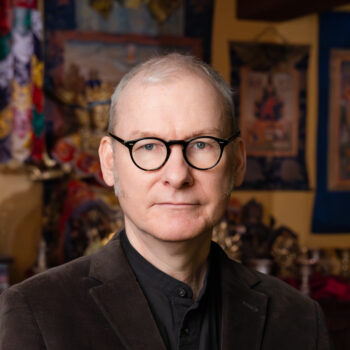
Headshot of Karl Debreczeny

Karl Debreczeny is senior curator, collections and research, at the Rubin Museum of Himalayan Art. His research focuses on artistic, religious, and political exchanges between the Tibetan and Chinese traditions. His publications include The Black Hat Eccentric: Artistic Visions of the Tenth Karmapa (2012) and the coedited The Tenth Karmapa and Tibet’s Turbulent Seventeenth Century (2016). More →
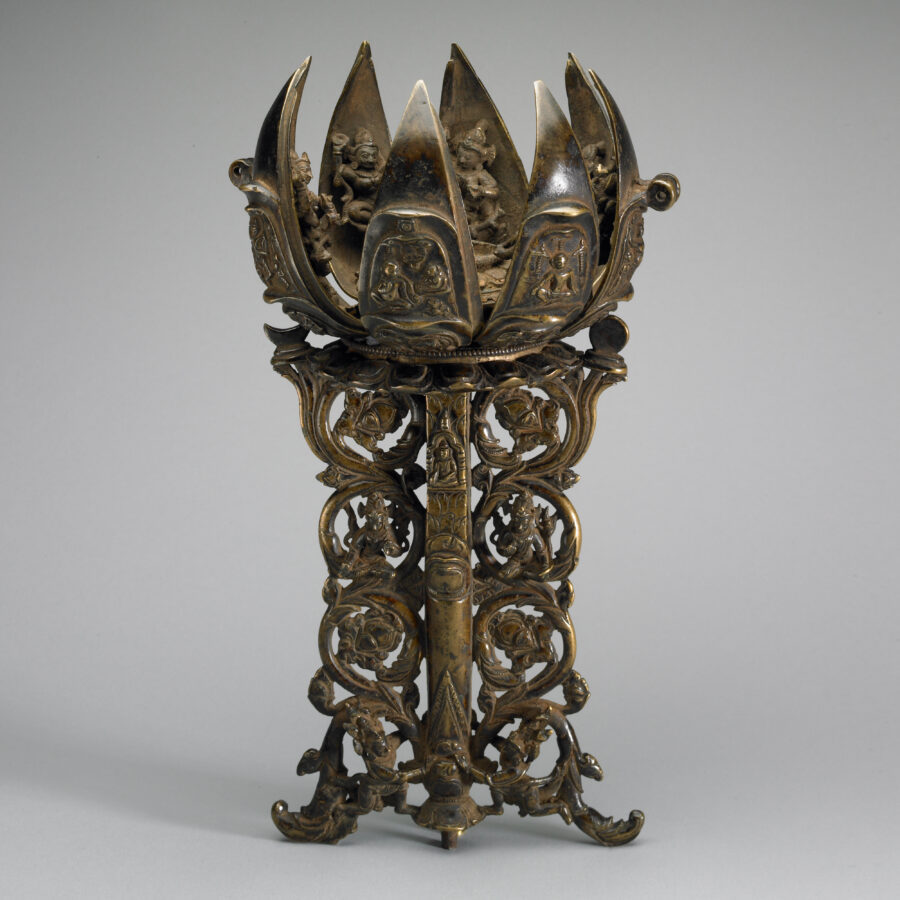
Indian Precedence - test

The regions of northeastern India and Kashmir were early inspirations for Tibetan art

Sign up for our emails

Get the latest news and stories from the Rubin, plus occasional information on how to support our work.

Discover artworks, articles, and more by typing a search term above, selecting a term below, or exploring common concepts in Himalayan art.