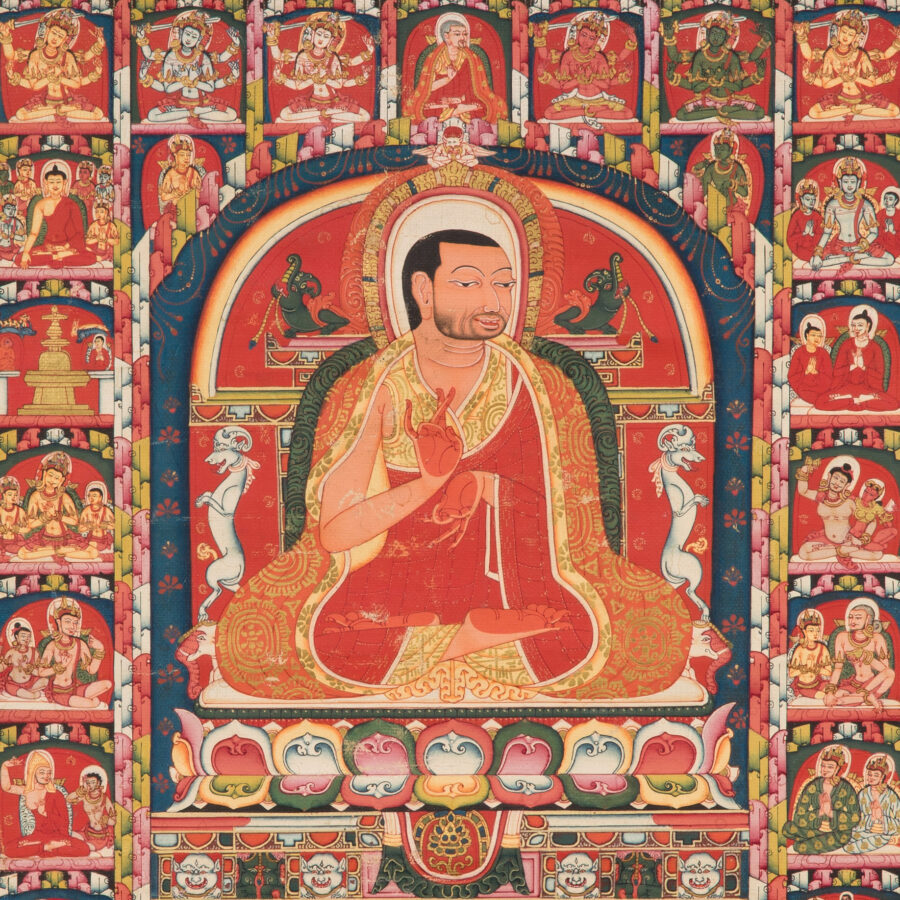
As the cradle of Buddhism, northeastern India is home to many sacred sites, such as the place of the Buddha’s awakening at Bodhgaya.
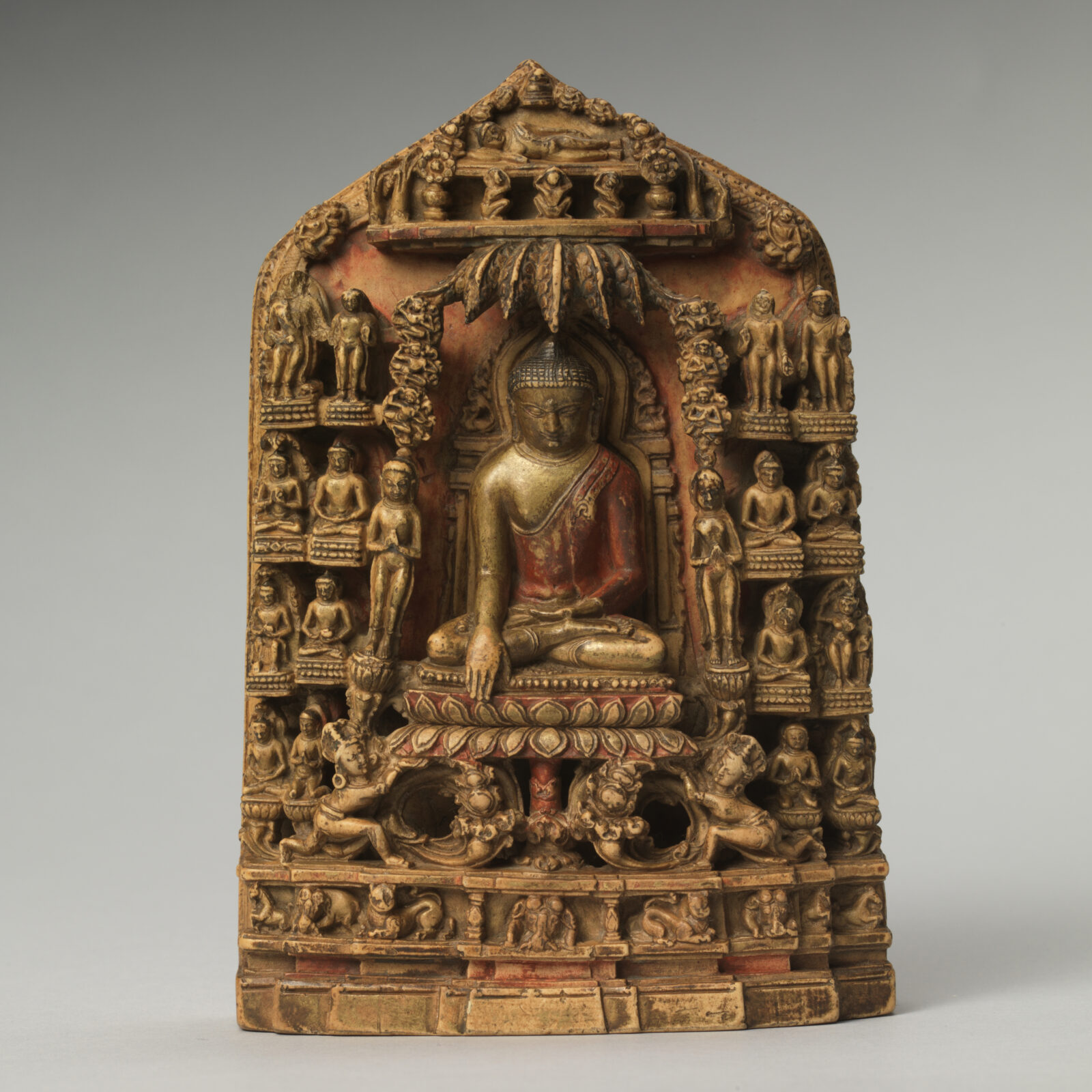
As the cradle of Buddhism, northeastern India is home to many sacred sites, such as the place of the Buddha’s awakening at Bodhgaya.
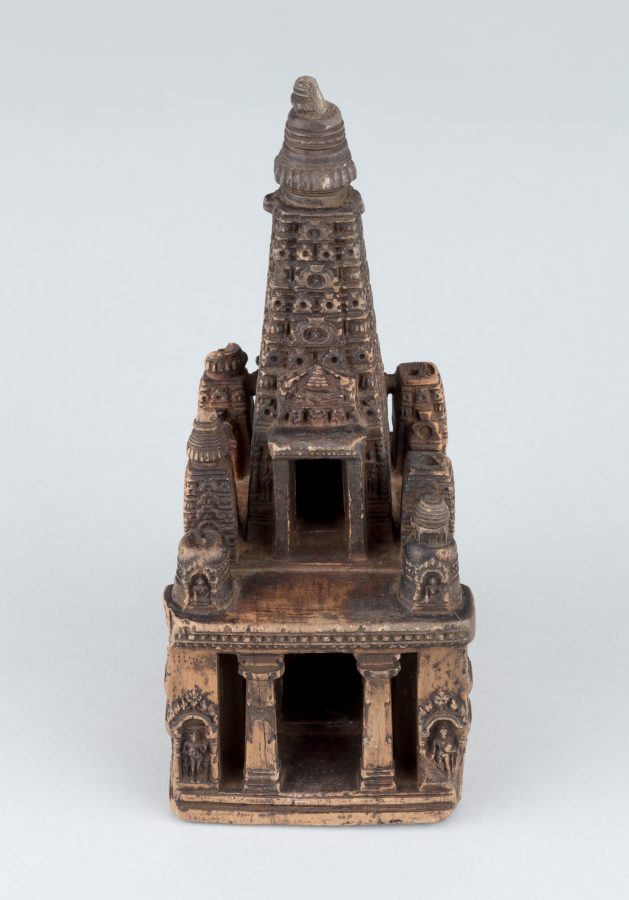
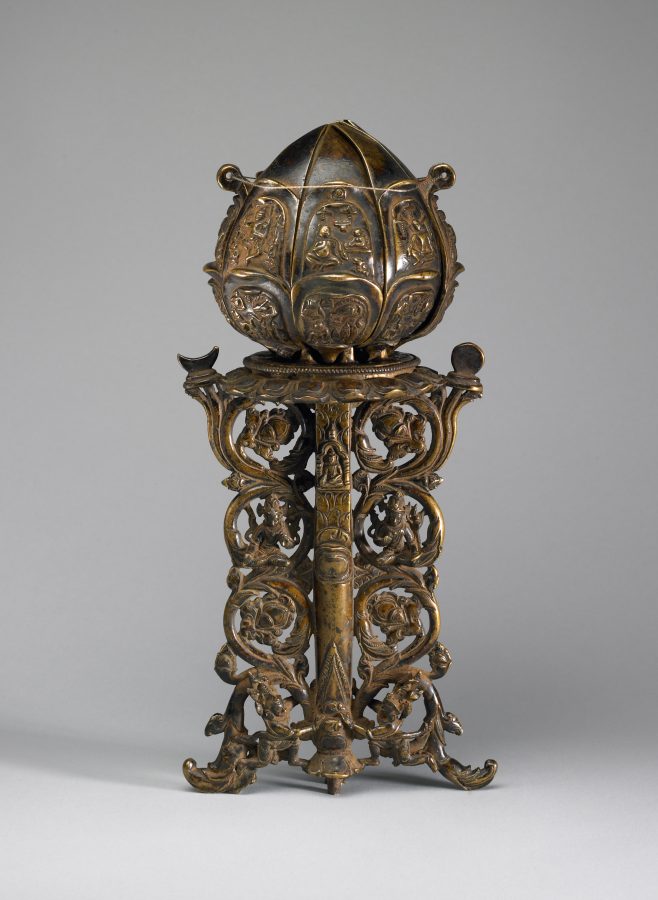
Once renowned centers of learning like Nalanda and Vikramashila monasteries (destroyed in the late 12th and early 13th centuries) attracted students and scholars, and were also their own centers of text and image production. Northeastern India was thus a focus of pilgrimage and learning for Tibetans well into the 13th century. As such northeastern India was also an important source of images and material culture such as texts, portable scroll paintings and sculptures, as well as pilgrimage souvenirs, which inspired early Tibetan art. Important Indian teachers, such as Atisha (982-1055?) and Shakyashribhadra (1127-1225), were also invited to Tibet.
Important locations in Northeastern India. To learn more about this region, visit Project Himalayan Art.


Get the latest news and stories from the Rubin, plus occasional information on how to support our work.