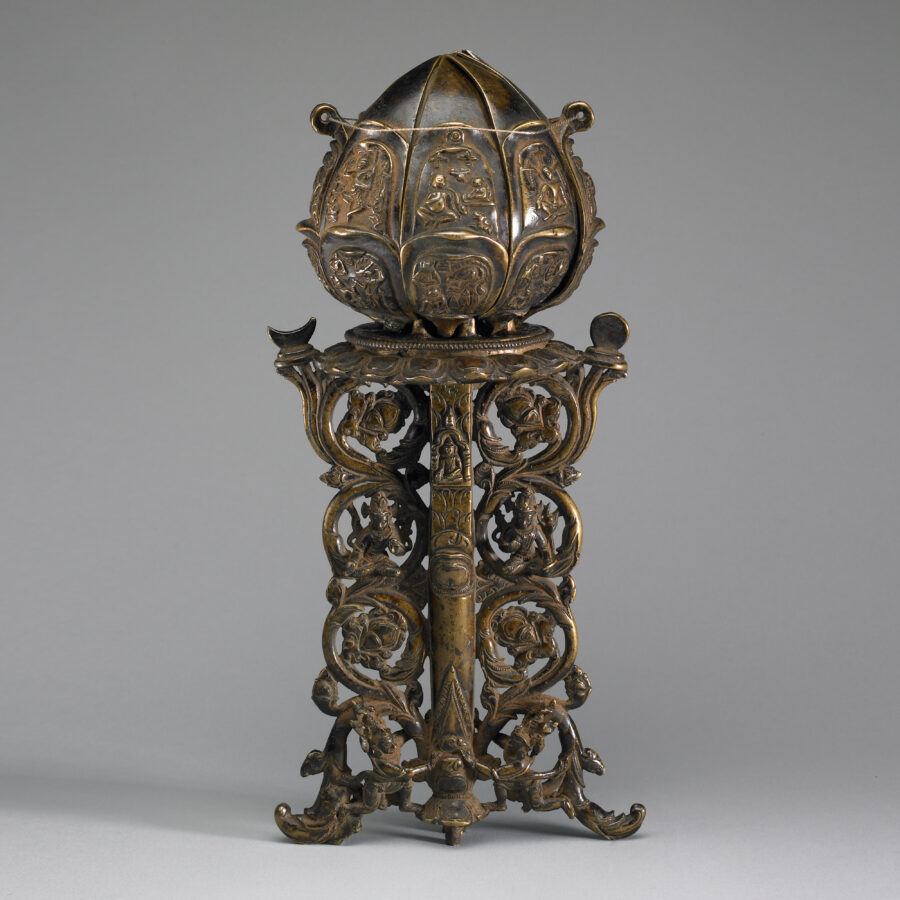
TKTK
TKTK
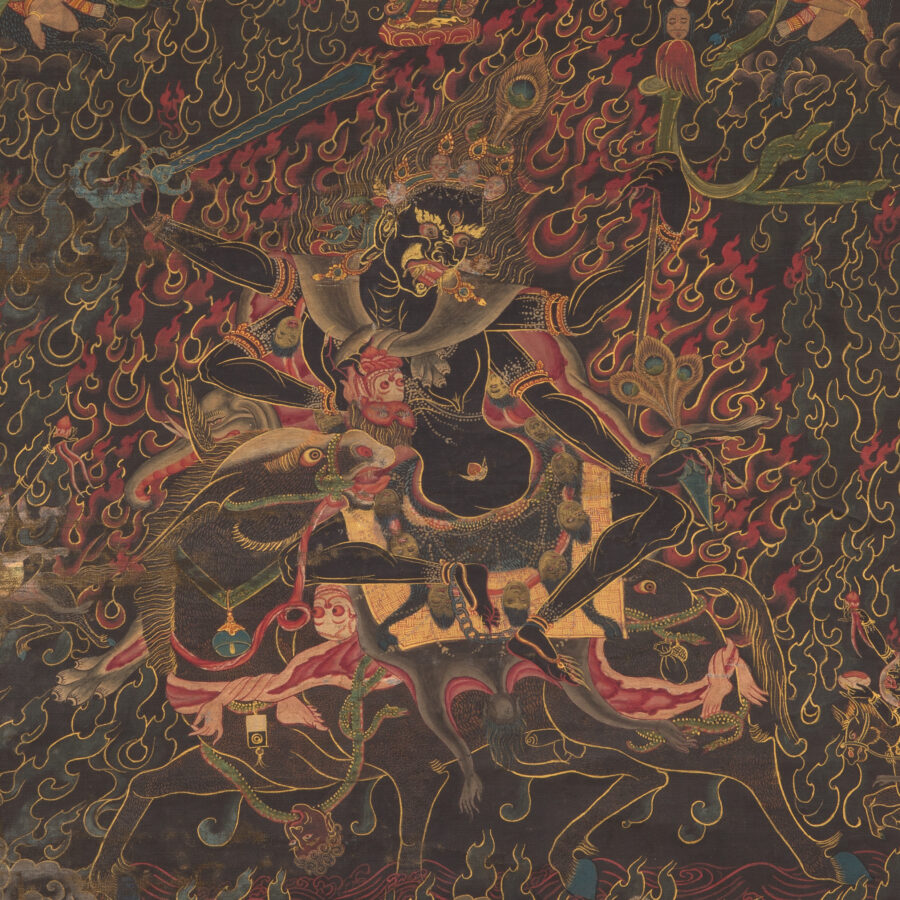
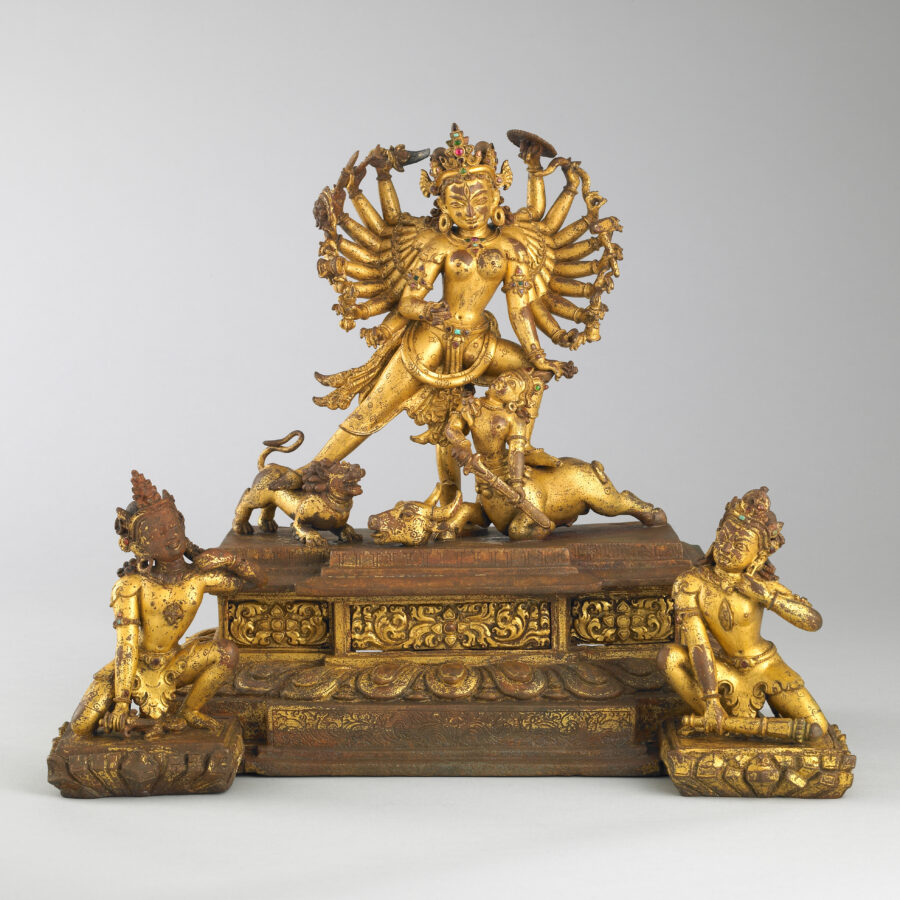
TKTK
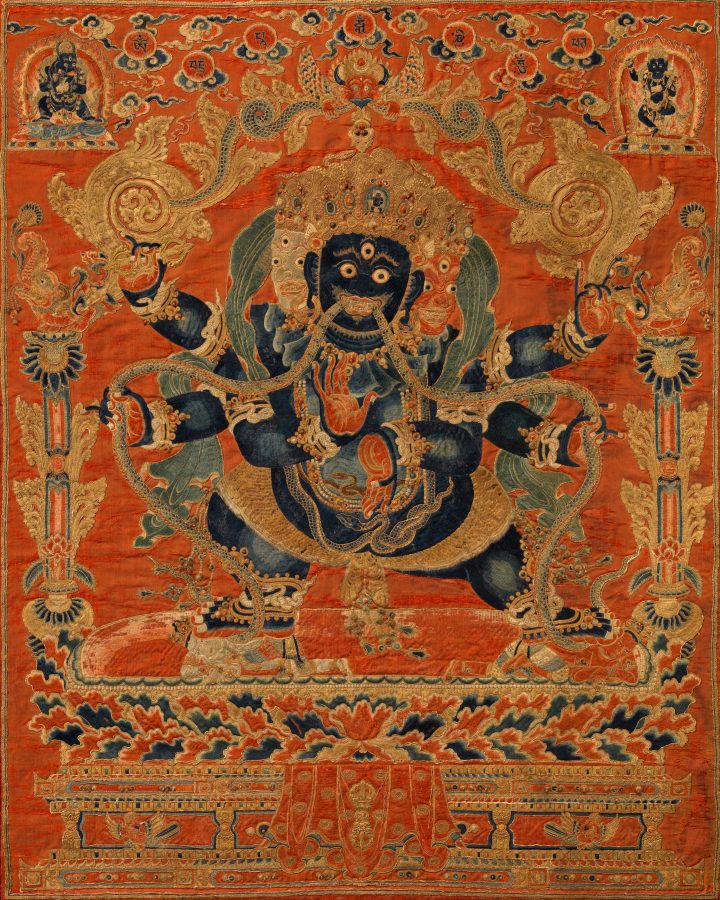
TKTK
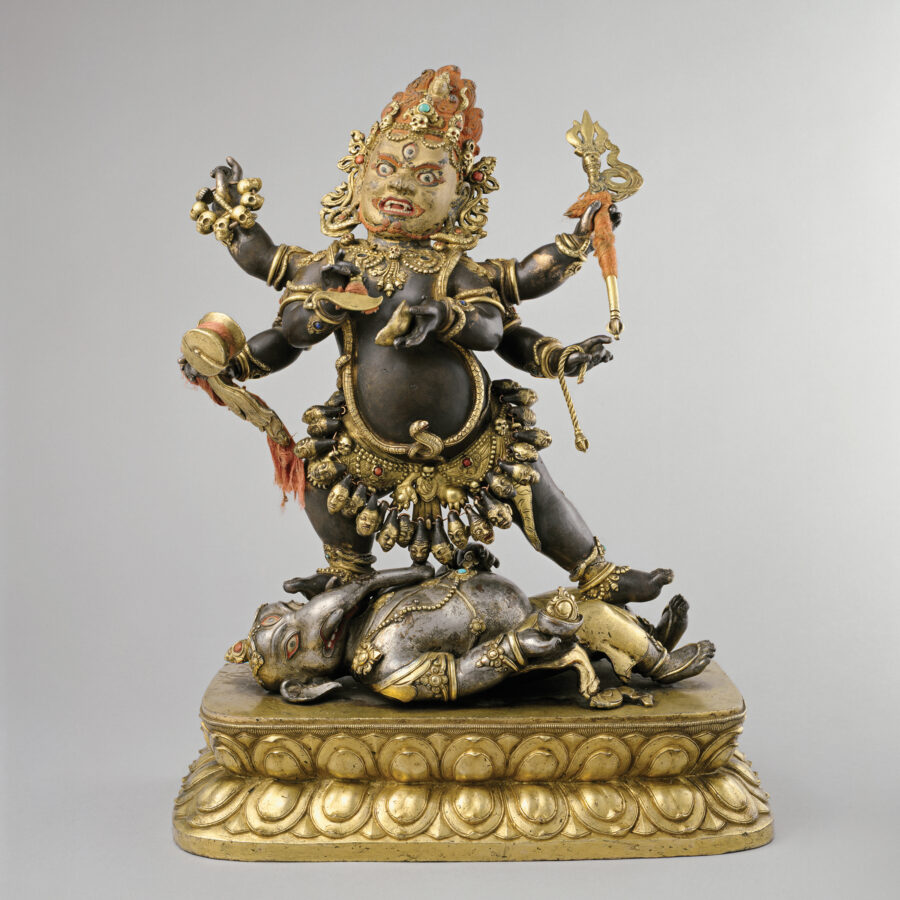
TKTK
Masterworks: A Journey through Himalayan Art traces the history of Tibetan art in relation to surrounding cultures across the Himalayas and beyond.
Following the arrival of Buddhism in Tibet in the seventh century, Tibetans looked to Indic cultures for artistic inspiration. After the decline of Buddhism in India beginning in the twelfth century, they gradually shifted focus, first toward Nepal and then toward Chinese and Mongolian cultures. This exhibition is arranged geographically and chronologically according to terms defined by a long tradition of indigenous Tibetan connoisseurship. Juxtaposing the art of Himalayan regions over time sheds light on the geographic, historical, religious, and artistic interrelationships among these cultures. Himalayan art is a relatively young field of study, so our understanding is constantly evolving as artworks and texts come to light. Each iteration of Masterworks reflects these exciting developments.
Discover more in our online collection search.
Curated by Karl Debreczeny.
Welcome to Masterworks: A Journey Through Himalayan Art, I am the exhibition curator, Karl Debreczeny. Masterworks traces the history of Tibetan art, and Tibetan art’s interconnected relationships with surrounding cultures, highlighting the quality and diversity of artwork from the Himalayas. The exhibition presents objects from both a geographic and chronological perspective, to elucidate the artistic and cultural connections in the Himalayan region, through objects of exceptional quality and interest, primarily drawn from the Rubin Museum’s collection, augmented by a few select loans.
The exhibition moves from West to East, first exploring the early roots of Tibetan art in Northeastern India, Kashmir, and Nepal; and then looks at these artistic traditions’ early expression in Tibet, especially in Western Tibet. Then we introduce the three major indigenous painting styles of “Classical Tibetan Art,” which arose in Central Tibet in the 15th and 16th centuries, when Tibetan painters were increasingly inspired by Chinese landscape painting conventions into their own unique visual idiom.
Looking East, Tibetan styles continue to develop in the Eastern Tibetan provinces of Kham and Amdo, and continued exchanges with adjacent Chinese and Mongolian regions, which both provided inspiration for Tibetan artists, and who also adopted and adapted Tibetan Buddhist visual culture to their own needs.
First I will introduce each section, with reference to objects in that gallery, and I encourage you to explore the objects in that section while listening. Then, in a separate stop, we will explore one object that exemplifies that artistic tradition.
You will notice, as you move through the galleries, that interwoven into Masterworks is a selection of loans from the Zhǐguān Museum of Fine Art, Beijing, which houses one of the most important privately assembled collections of Himalayan art in China. These include objects (mostly sculpture) from Northeastern India, Kashmir, Tibet, and China ranging from the 11th to the 18th century.
TKTK
TKTK
TKTK
TKTK
TKTK
Get the latest news and stories from the Rubin, plus occasional information on how to support our work.