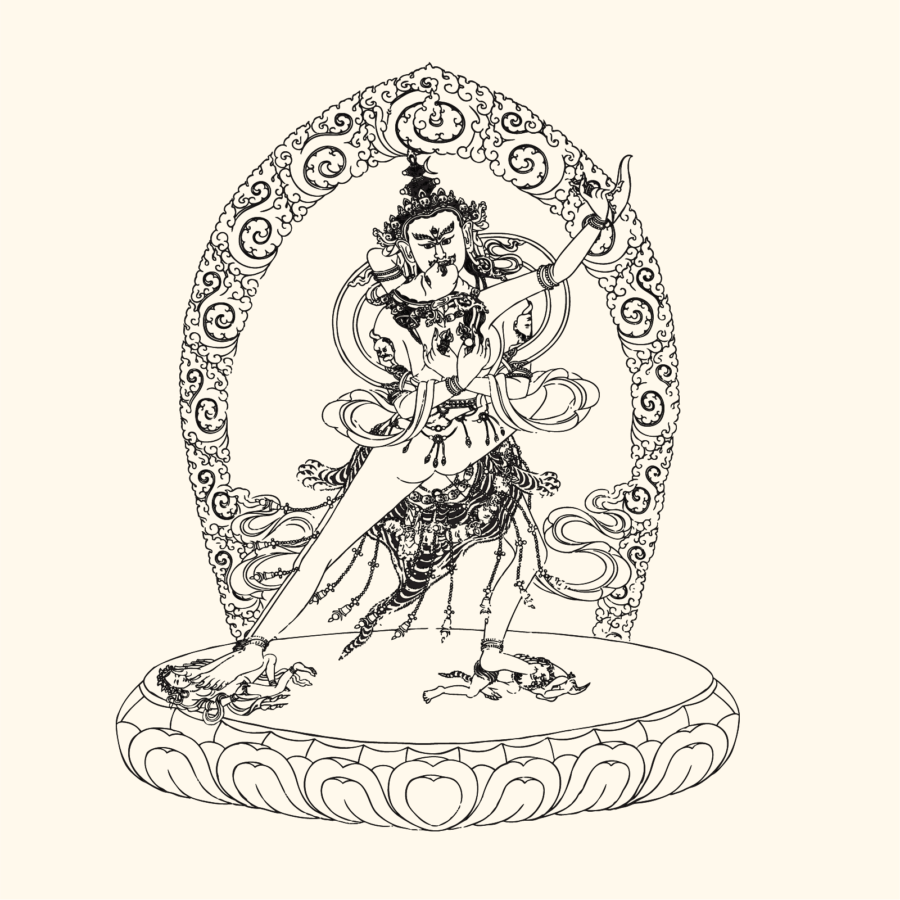
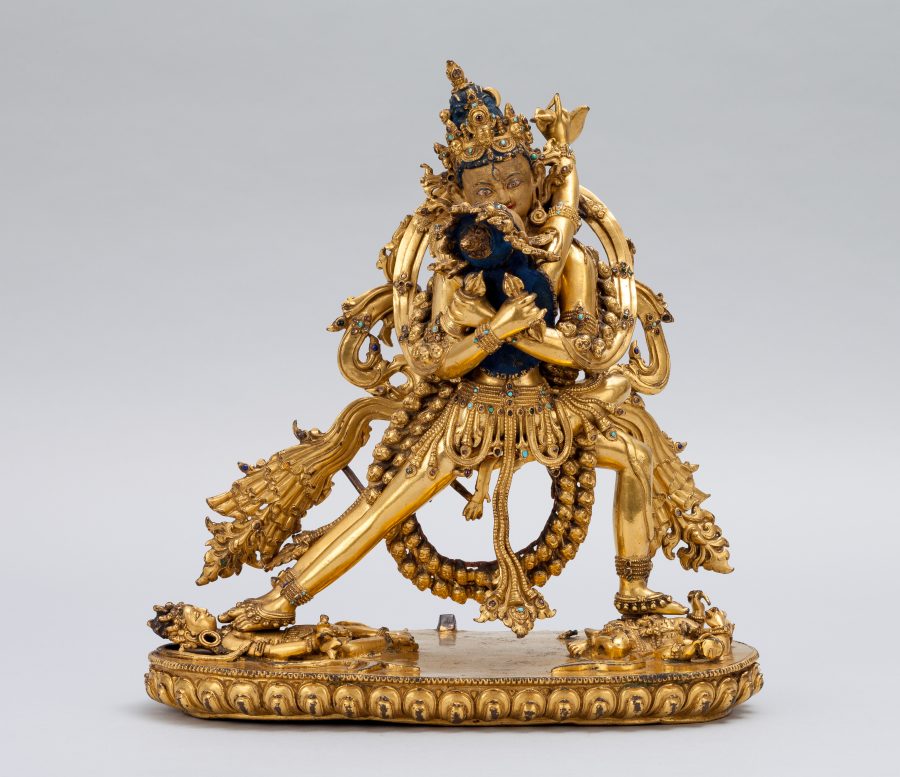
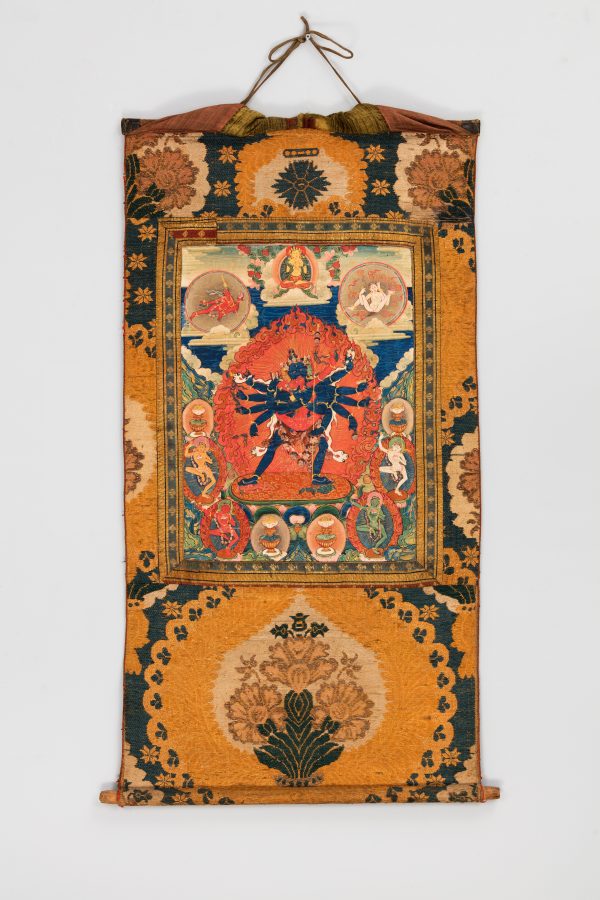
Vajrayogini, Krodha Kali Tibet or Mongolia, 18th century
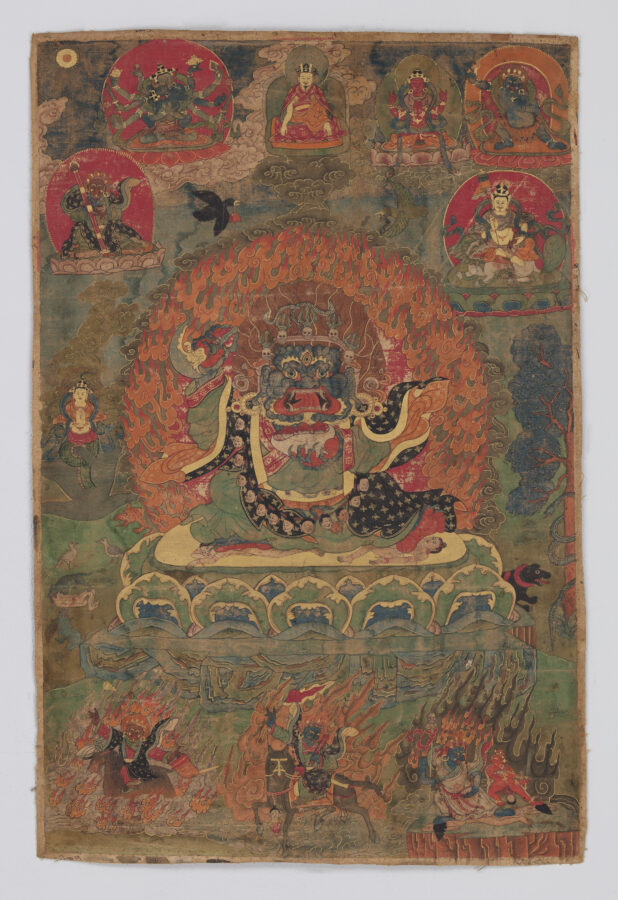
“Cloud Faced” Black Cloak Mahakala Tibet, 16th-17th century
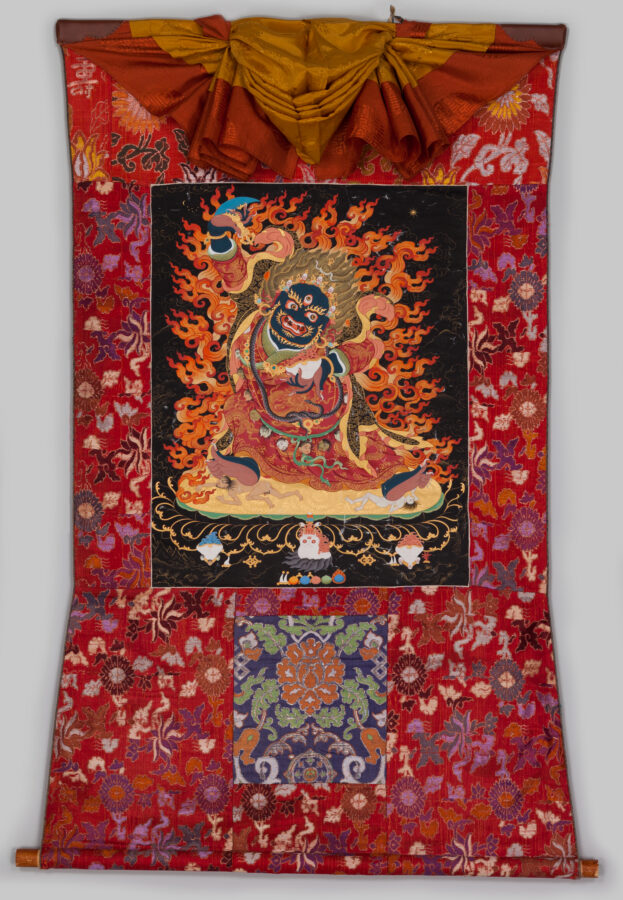
Black Cloak Mahakala Bernagchen USA, 2000
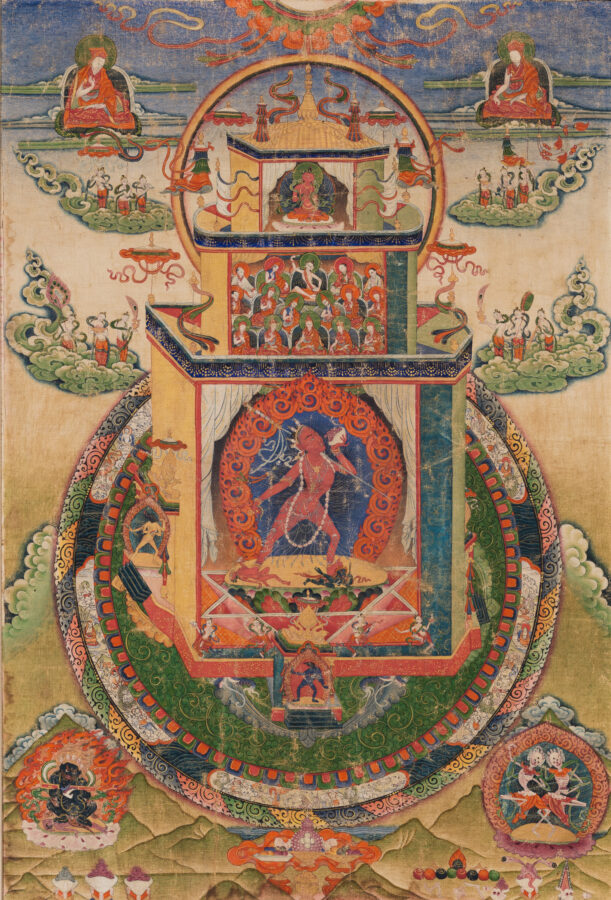
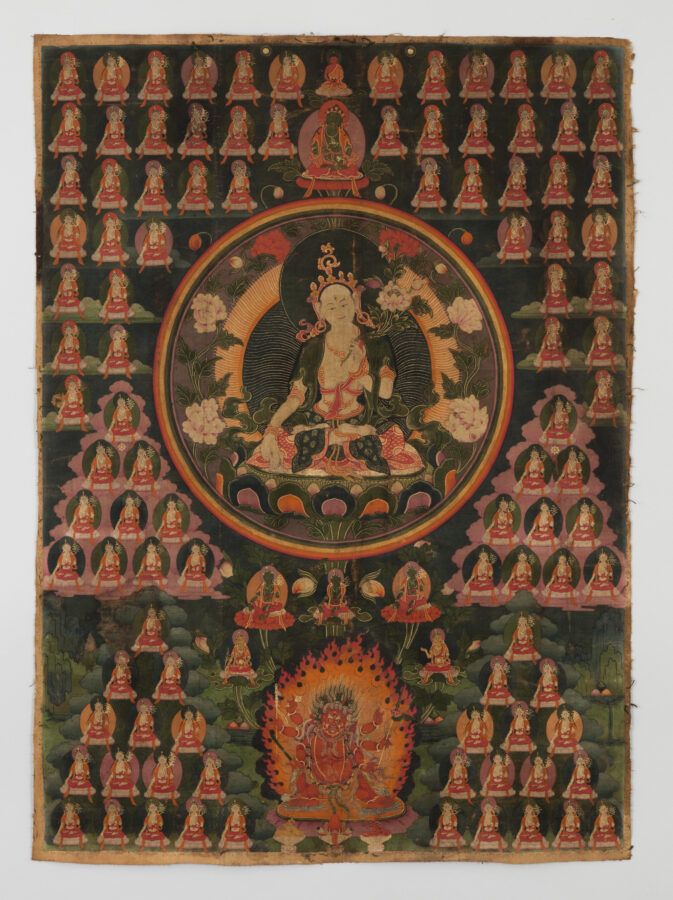
Vajrayogini in the Pure Realm of Khechara Kham region, eastern Tibet, 19th century
White Tara Tibet, 18th - 19th century
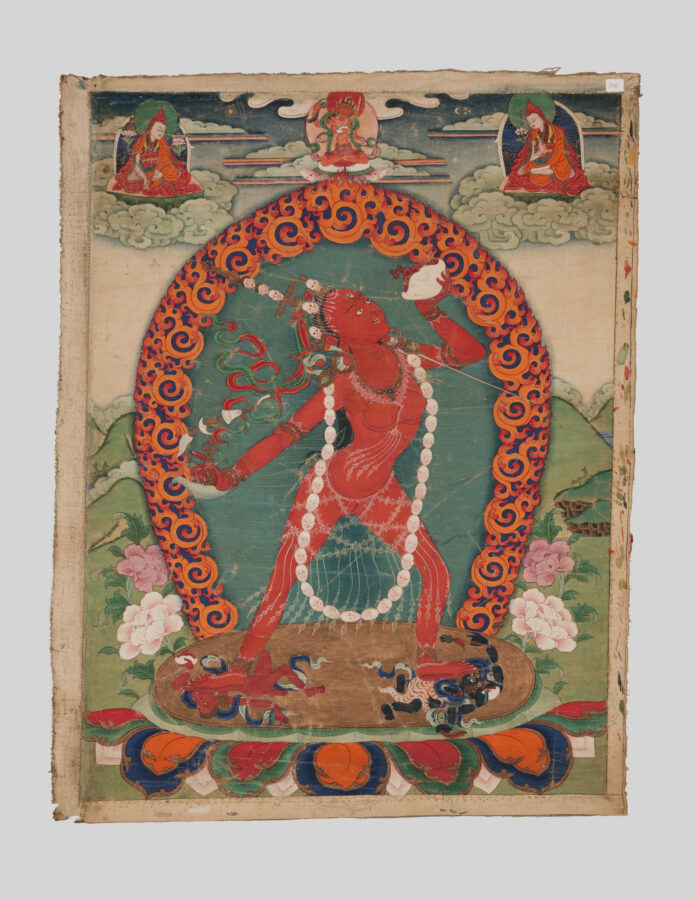
Vajrayogini Kham region, eastern Tibet, late 19th century
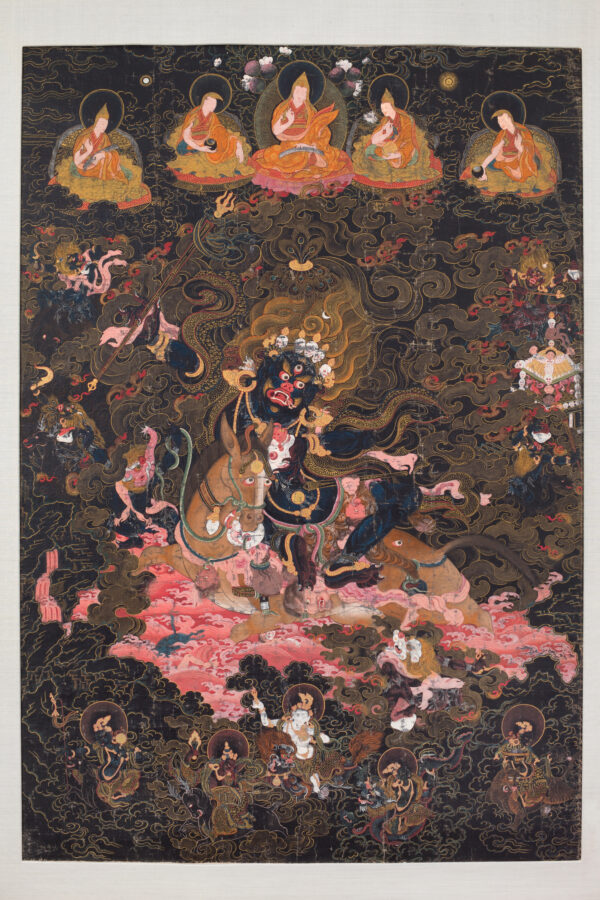
Shri Devi as Makzor Gyelmo, “Queen Who Repels Armies” Central Tibet, ca. 1720
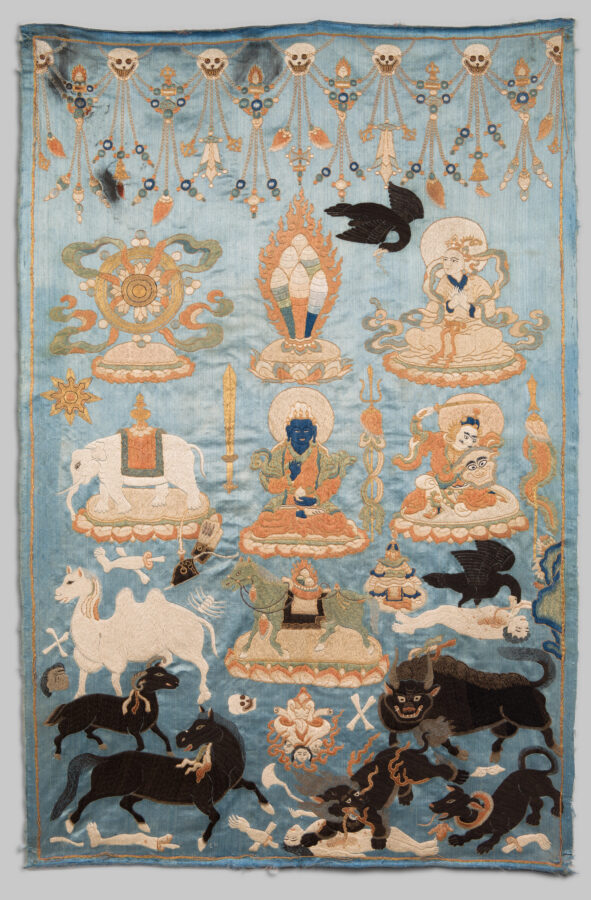
Symbolic Offerings Mongolia, 19th century
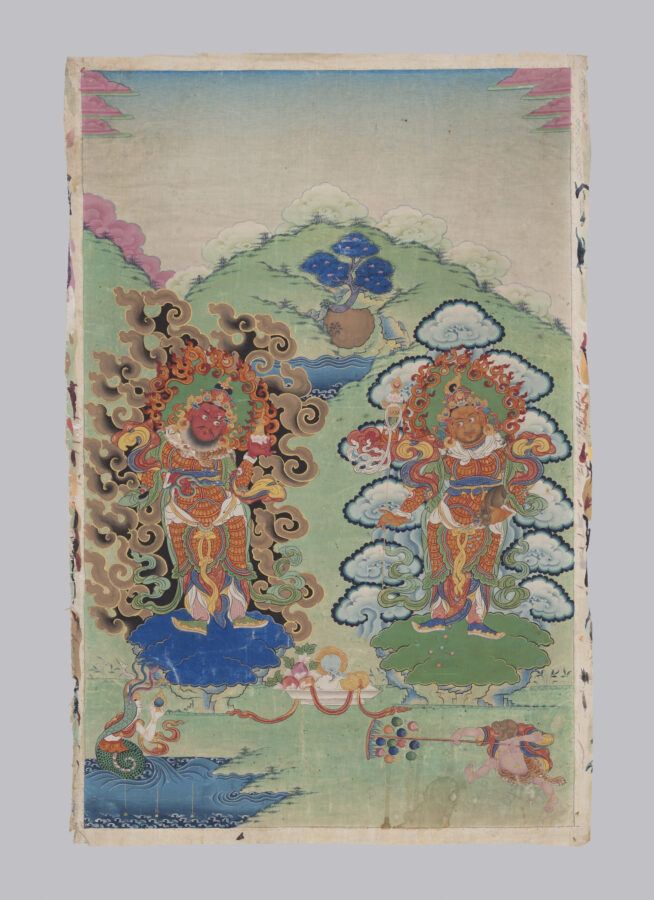
Vaishravana and Virupaksha, Guardian Kings of the Northern and Western Directions Tibet, 19th century
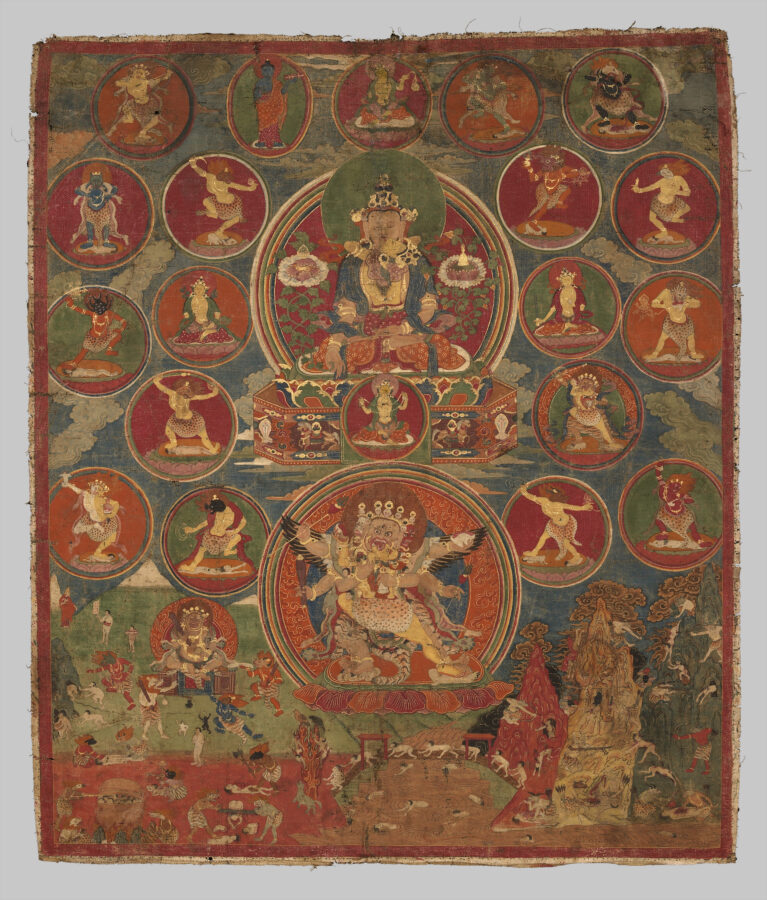
Ratnasambhava, Ratna Heruka, and Peaceful and Wrathful Deities of the Bardo Tibet, 18th century
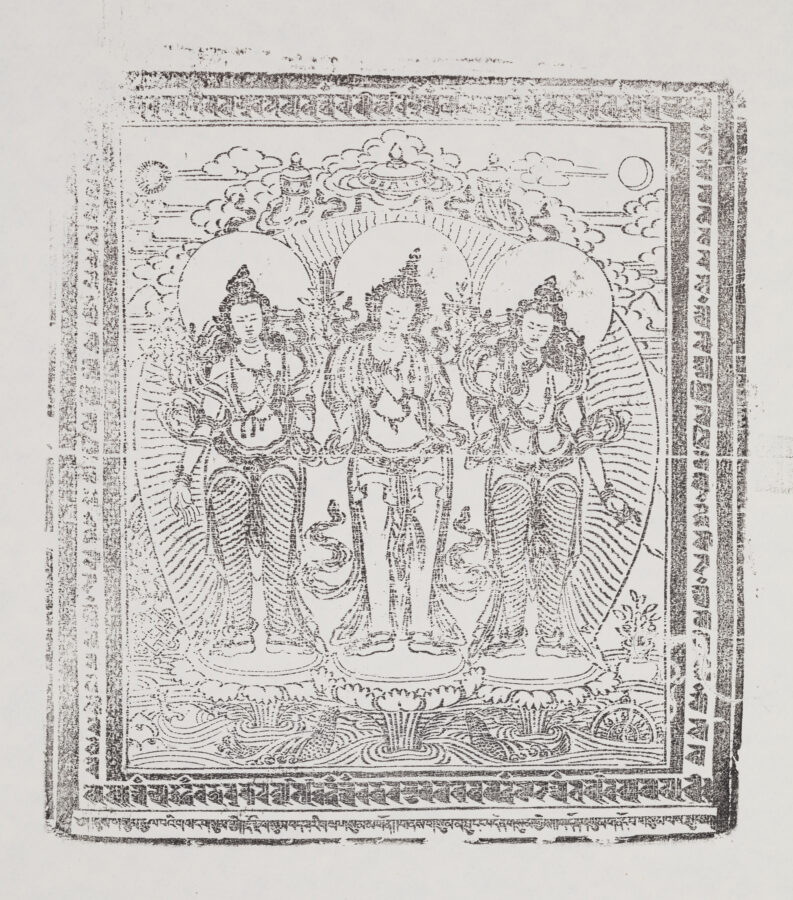
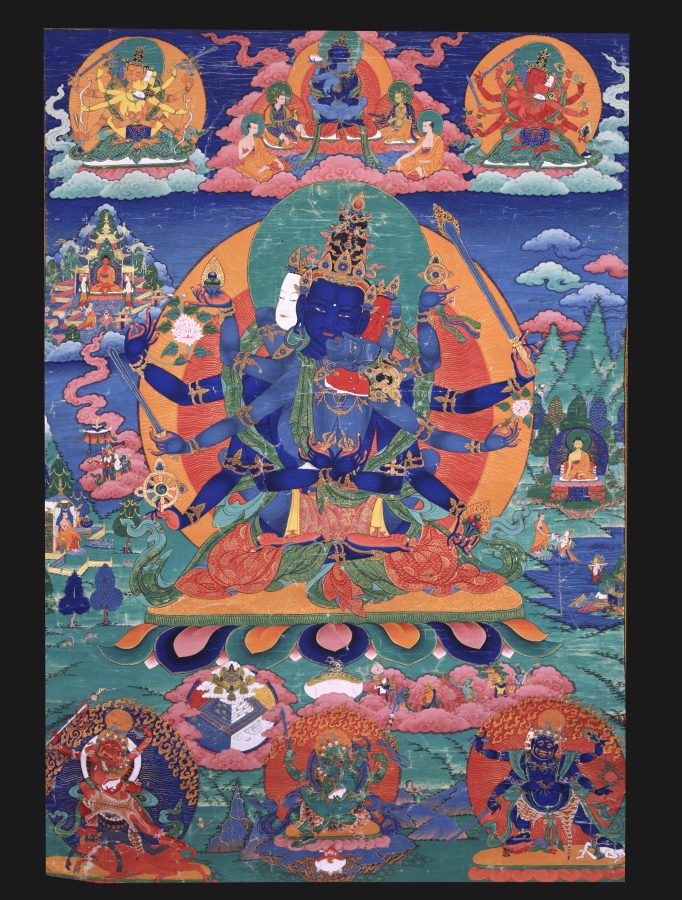
Lords of the Three Families: Manjushri, Avalokiteshvara, and Vajrapani Derge Printing House, Derge, Kham Region, Eastern Tibet, 20th century
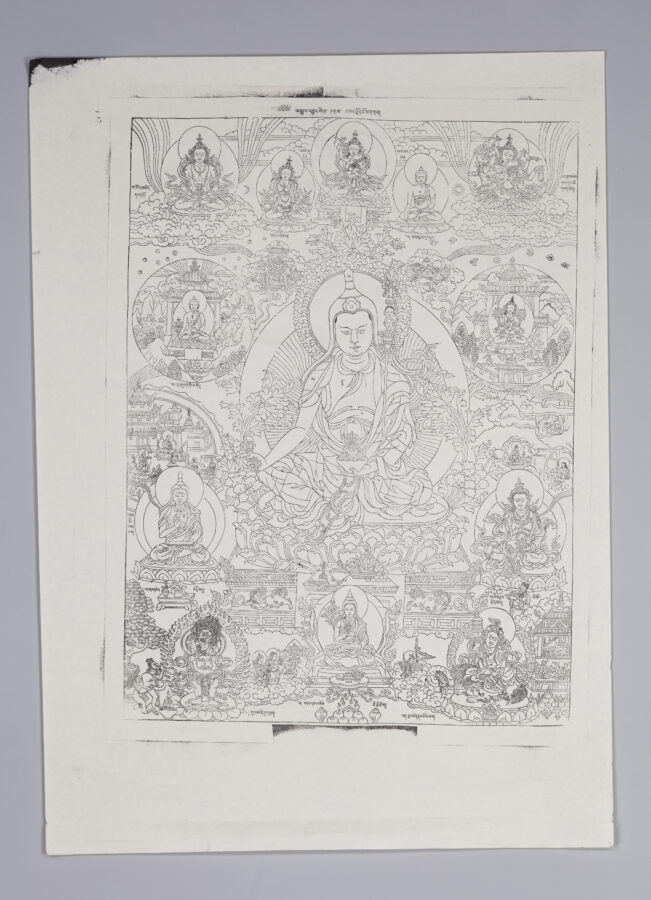
The Abbot, the Master, and the Dharma King: Shantarakshita, Padmasambhava, Tri Songdetsen (742-796) and the Nyingma Tradition Derge Printing House, Derge, Kham Region, Eastern Tibet, ca. 1979
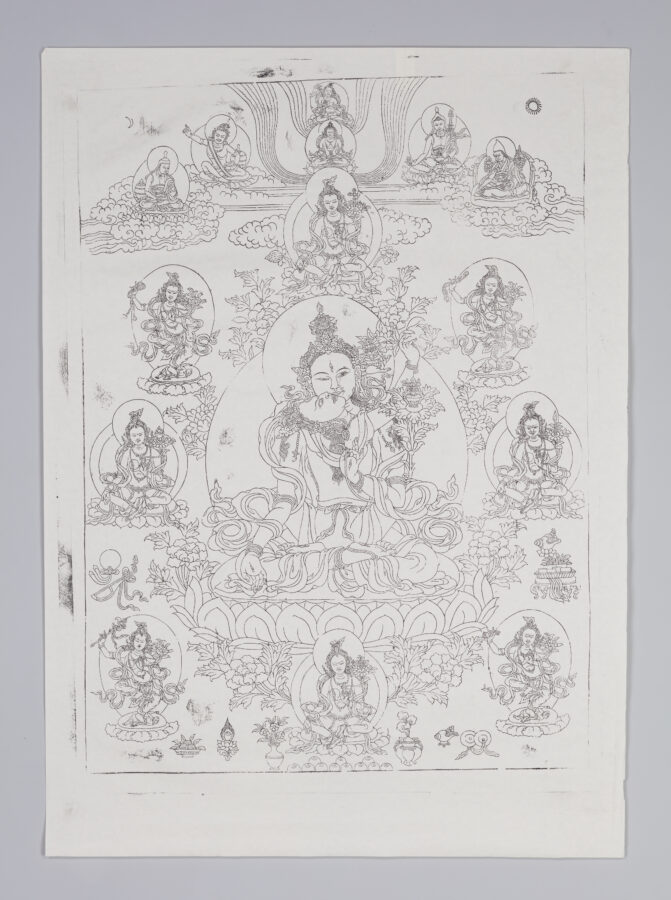
White Tara and Consort Derge Printing House, Derge, Kham Region, Eastern Tibet, 2000
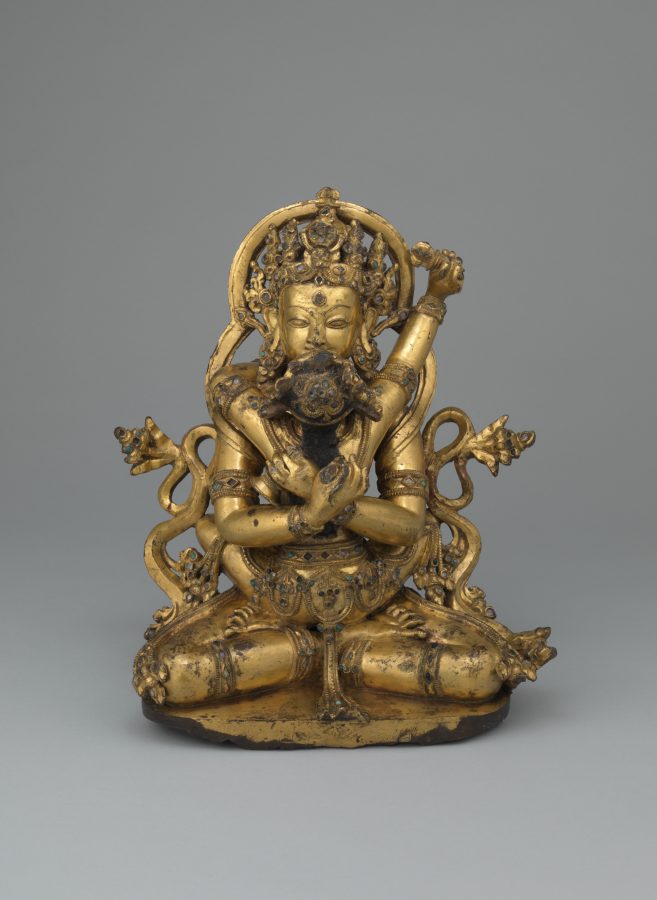
Vajradhara with consort Tibet, 14th century
Three Tantric Goddesses Nepal, 18th century
Hevajra with Consort Nairatmya Tibet or Nepal, 14th or 16th - 17th century
Hevajra with consort Nairatmya Tibet or China, 19th century
Hevajra with consort Nairatmya Central Tibet, mid-15th-16th century
Hevajra and Nairatmya Eastern India, ca. 12th century
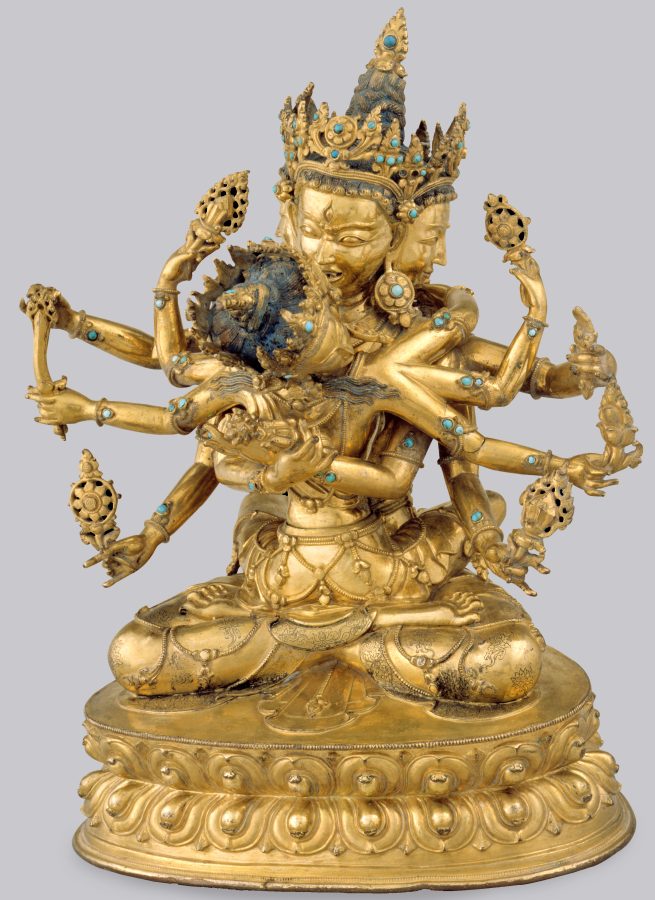
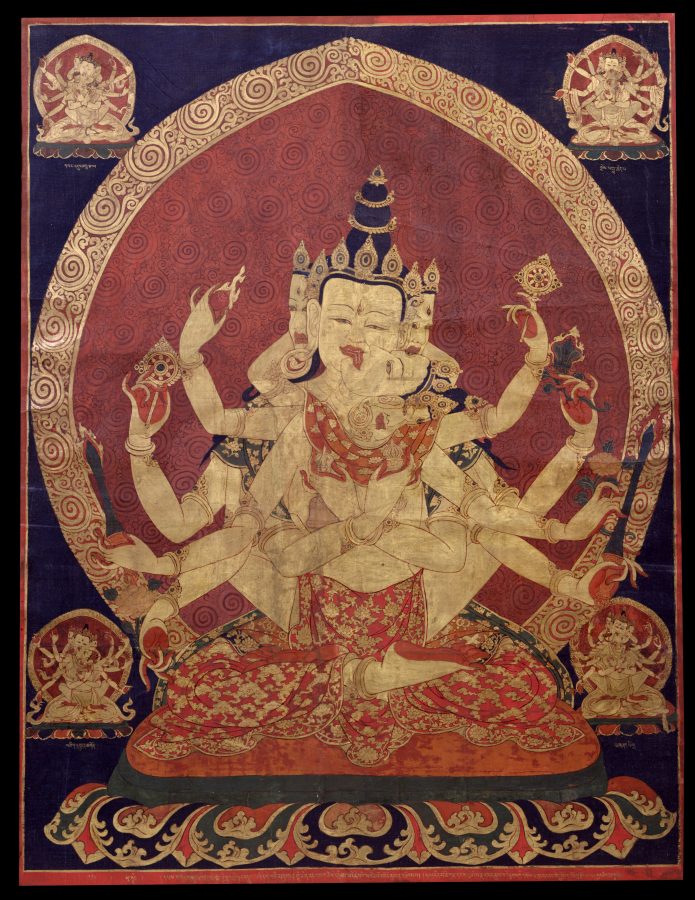
Guhyasamaja with Consort Tibet, 15th century
Guhyasamaja Akshobhyavajra Central Tibet, early 17th century (ca. 1604)
Guhyasamaja Akshobhvajra with Consort Tibet, 15th century
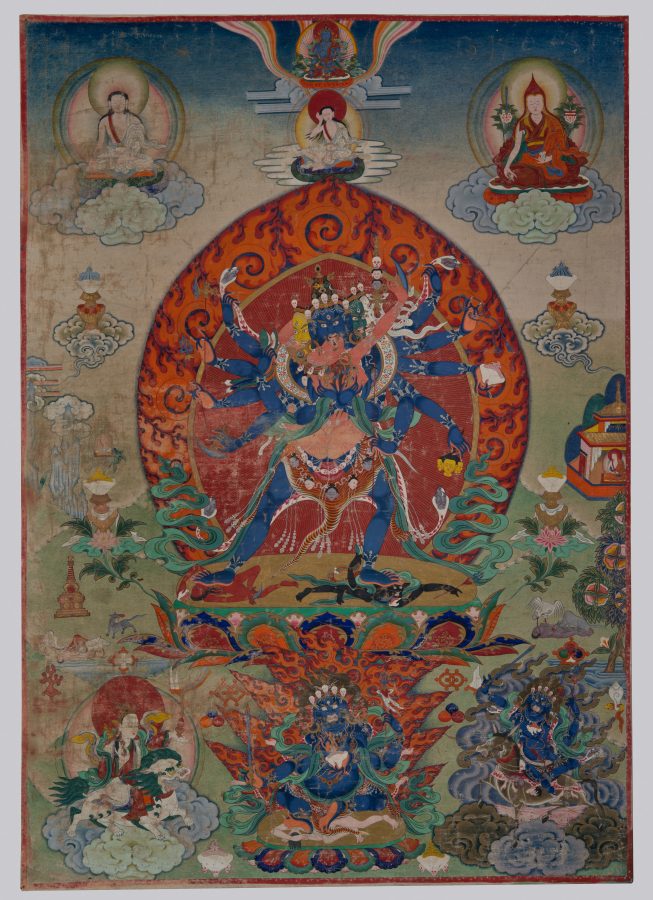
Chakrasamvara with Consort Vajravarahi Kham Province, Eastern Tibet, 19th century
Chakrasamvara with Consort Tibet, 15th century
Chakrasamvara in Union with Consort Vajravarahi Central Tibet, 14th century
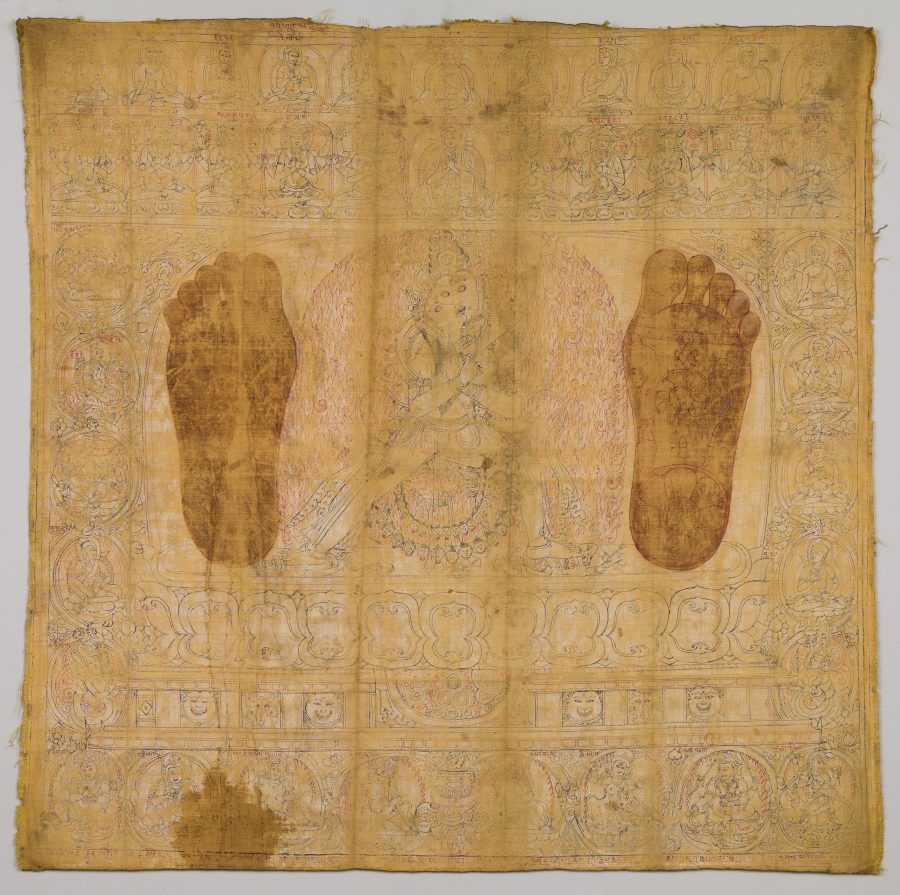
Chakrasamvara and the Footprints of Drigungpa Jikten Sumgon (1143–1217) Tibet, prior to 1217
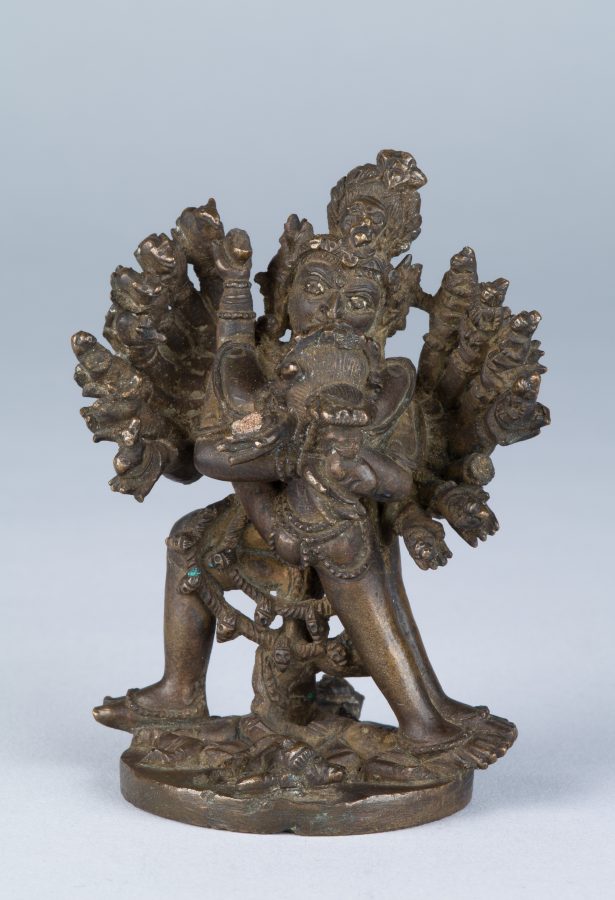
Chakrasamvara with consort Vajrayogini Mongolia, 19th century
Akshobhyavajra Ghuyasamaja Tibet, 17th century or later