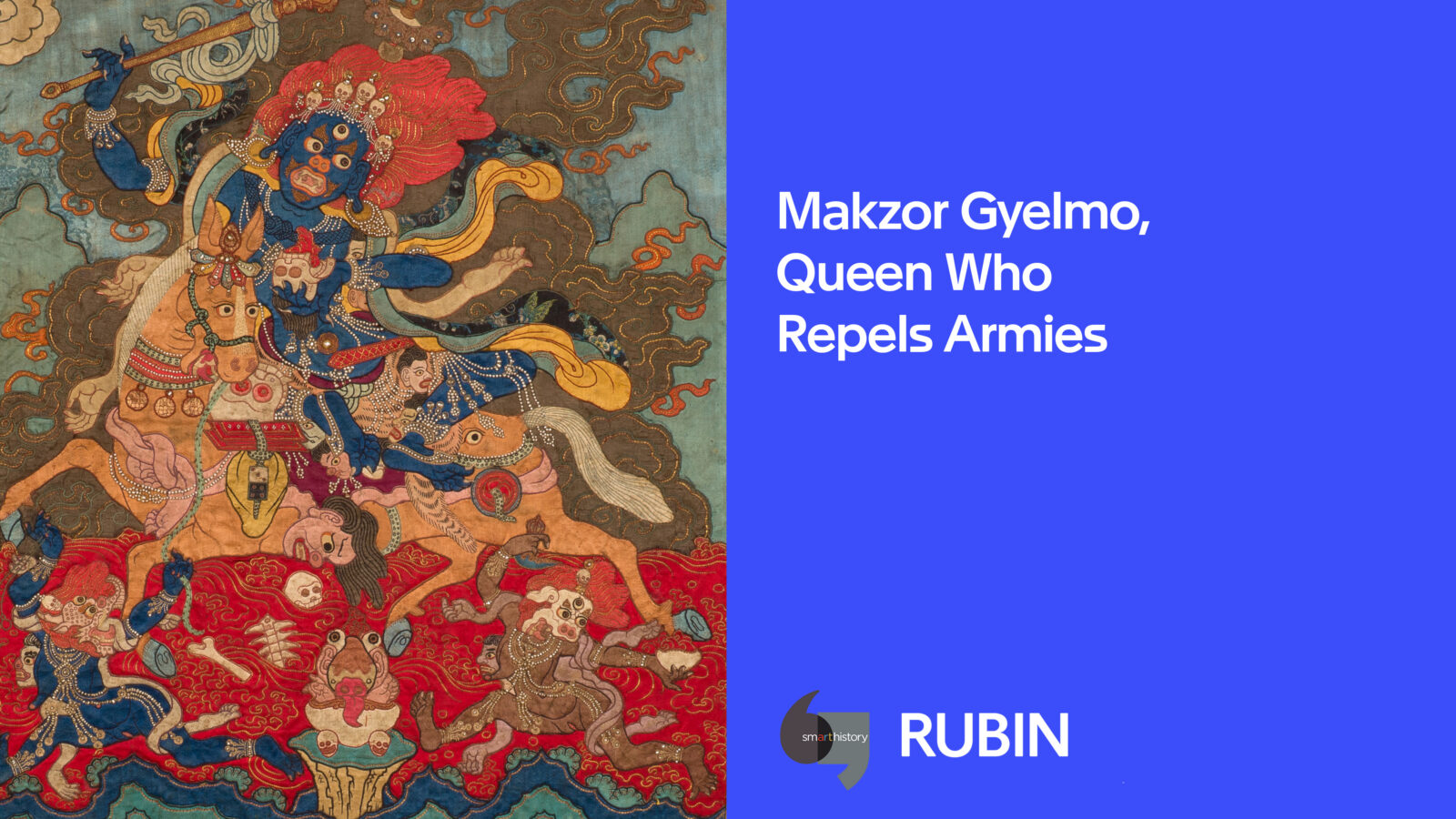
Rubin Senior Curator Dr. Karl Debreczeny and Dr. Beth Harris of Smarthistory examine a masterfully made appliqué—an artmaking technique of sewing patches of cloth, often silk or felt, onto a base to create a design. This Mongolian appliqué from the Rubin’s collection depicts Palden Lhamo, a principal female protector deity of Tibet.
The Rubin Museum of Himalayan Art has teamed up with Smarthistory to bring you an ‘up-close’ look at select objects from the Rubin’s preeminent collection of Himalayan art. Featuring conversations with senior curators and close-looking at art, this video series is an accessible introduction to the art and material culture of the Tibetan, Himalayan, and Inner Asian regions. Learn about the living traditions and art-making practices of the Himalayas from the past to today.
Learn more:
This video was produced in partnership with Smarthistory.
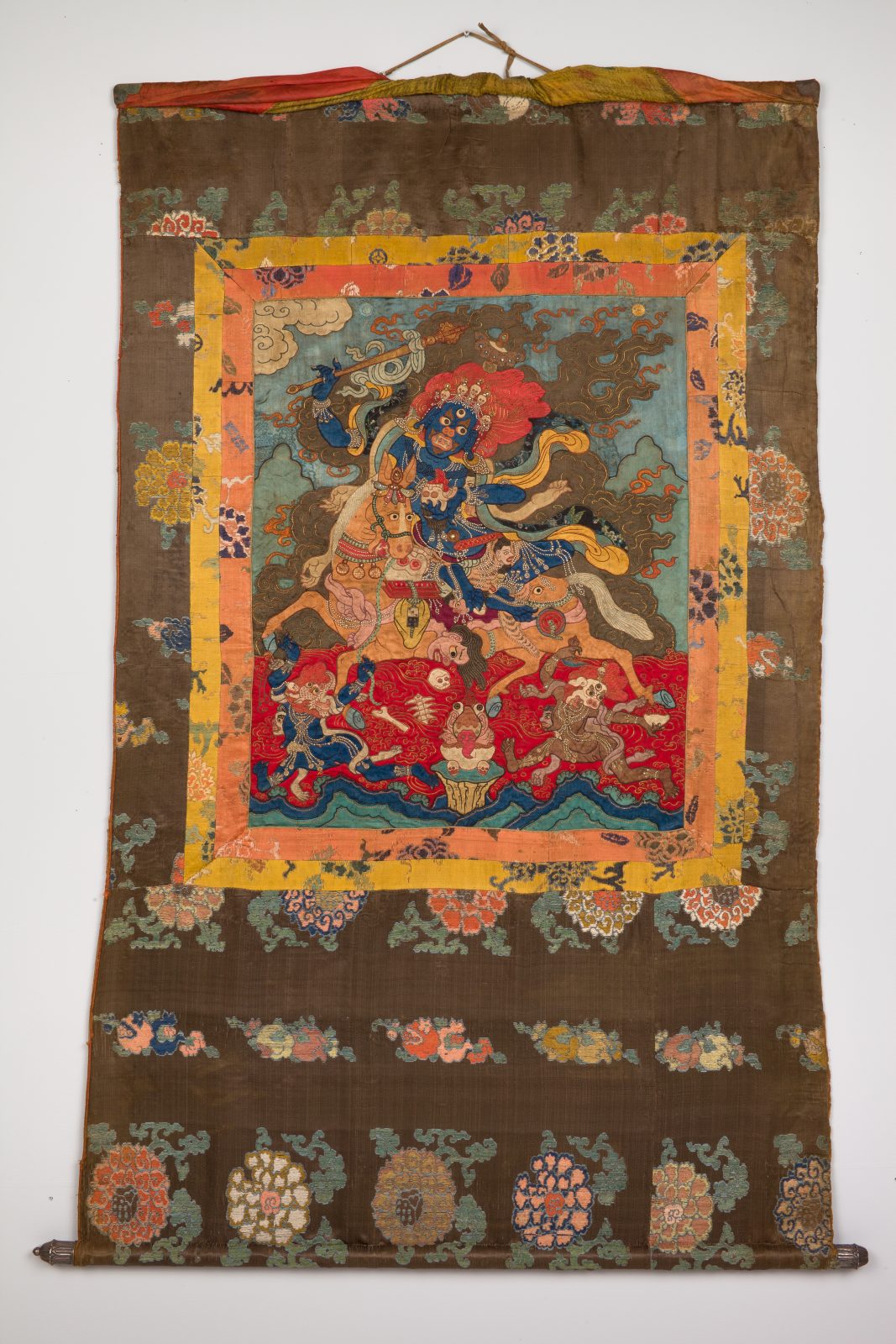
Makzor Gyelmo, Queen Who Repels Armies; Mongolia; 18th century; Silk applique with pearls, coral, horsehair, and gold thread; Rubin Museum of Himalayan Art, gift of the Shelley and Donald Rubin Foundation; F1996.19.1
Karl Debreczeny is senior curator, collections and research, at the Rubin Museum of Himalayan Art. His research focuses on artistic, religious, and political exchanges between the Tibetan and Chinese traditions. His publications include The Black Hat Eccentric: Artistic Visions of the Tenth Karmapa (2012) and the coedited The Tenth Karmapa and Tibet’s Turbulent Seventeenth Century (2016). More →

Dr. Beth Harris is cofounder and executive director of Smarthistory. Previously, she was dean of art and history at Khan Academy and director of digital learning at The Museum of Modern Art. Before joining MoMA, Beth was Associate Professor of art history and director of distance learning at the Fashion Institute of Technology where she taught both online and in the classroom. She has co-authored, with Dr. Steven Zucker, numerous articles on the future of education and the future of museums, and is the editor of Famine and Fashion: Needlewomen in the Nineteenth Century (2005). She received her Master’s degree from the Courtauld Institute of Art in London, and her doctorate in Art History from the Graduate Center of the City University of New York.


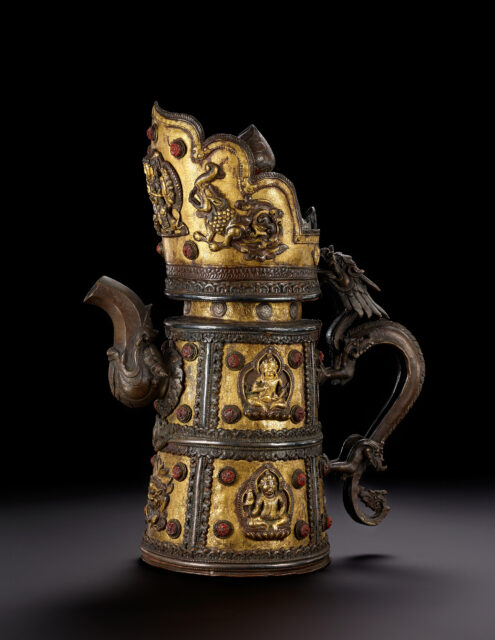
Vessels as Containers of Potential
NepalGet the latest news and stories from the Rubin, plus occasional information on how to support our work.