Art

Embroidered white and black animals, two black ravens, and human figures populate a light blue background. Skulls and beaded strings decorate the upper edge, with black animals in the lower portion. A dark, blue-skinned figure sits at center, one of three human figures. There are seven animals, including a white Bactrian camel and a black snow lion devouring a corpse. All represent symbolic offerings.
Symbolic Offerings
Mongolia, 19th century
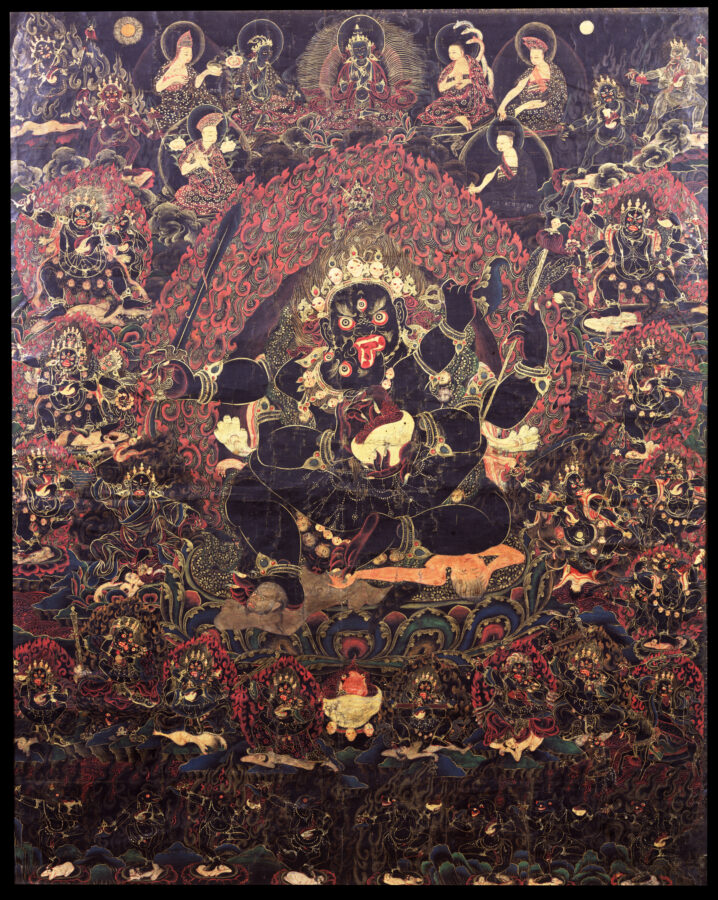
Four-Armed Mahakala
Tibet, 18th century
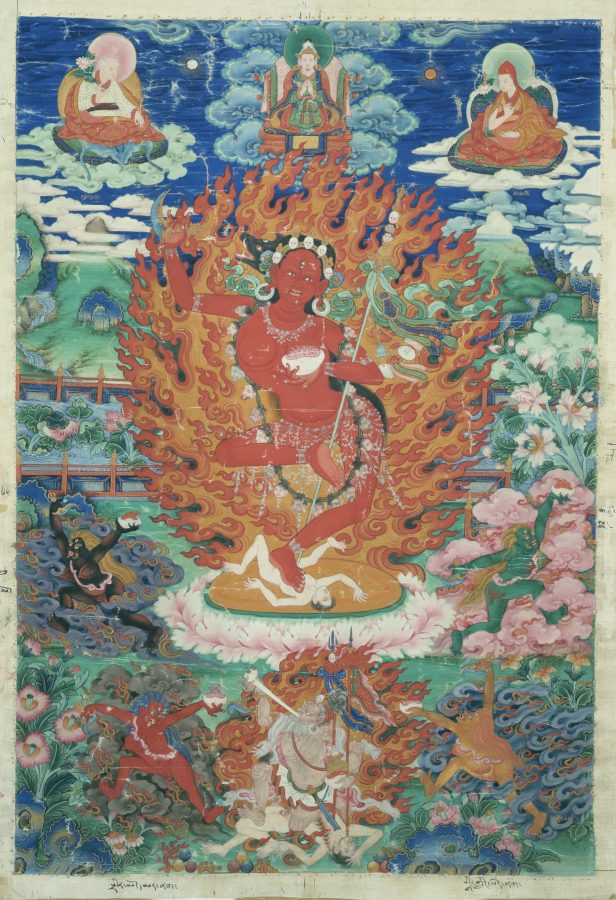
Vajrayogini
Tibet, 17th century
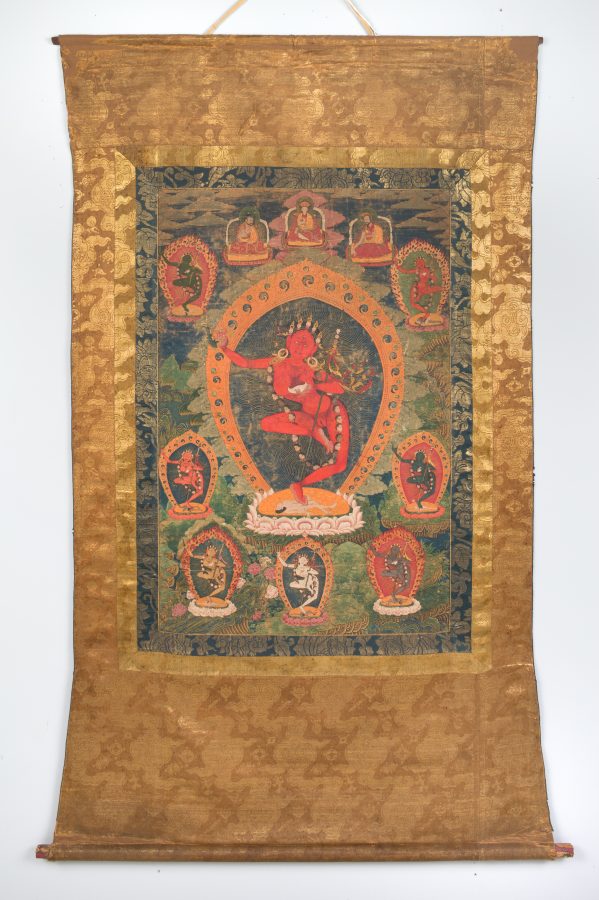
Vajravarahi
Tibet, 19th century
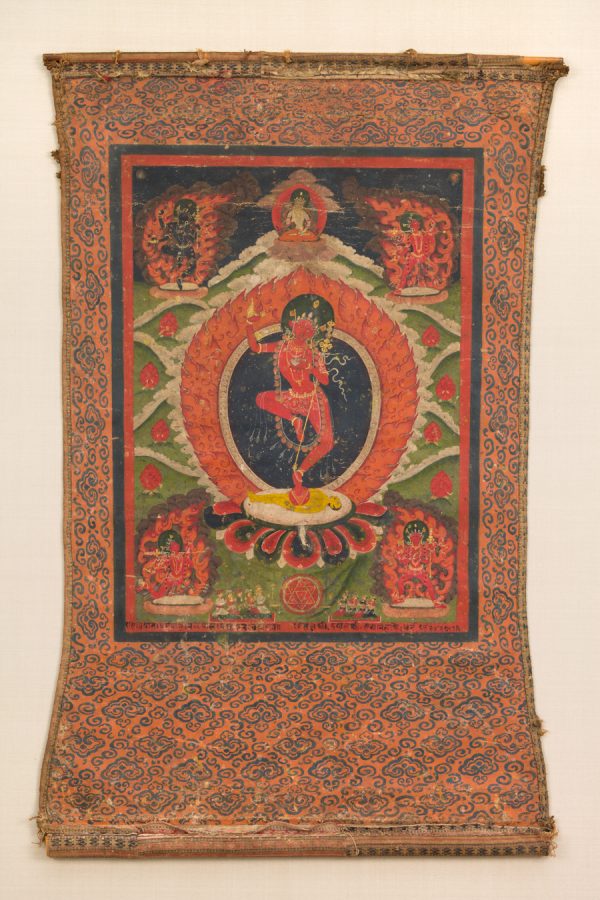
Vajravarahi
Tibet, 20th century
Vajravarahi
Bhutan, possibly Punakha Dzong, Mid-19th century
Vajravarahi
Nepal, Dated by inscription, 1822
Vajrakilaya of the Eight Pronouncements
Tibet, 18th century
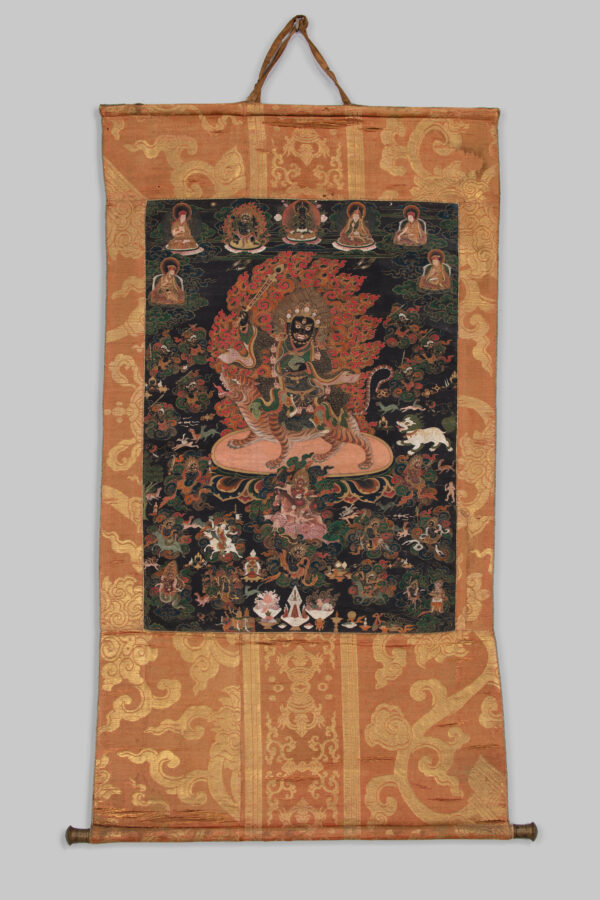
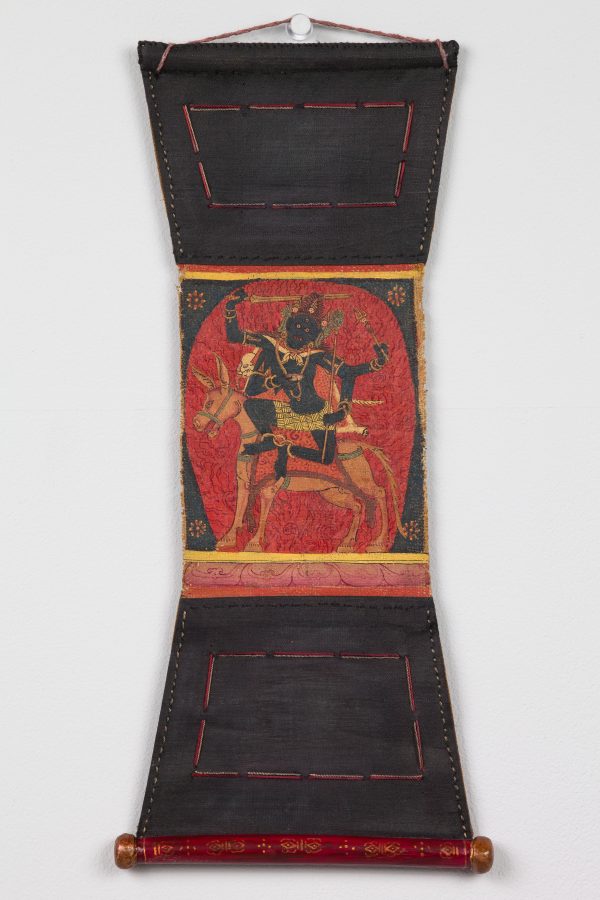
Tiger Riding Mahakala
Central Tibet, Early 19th century
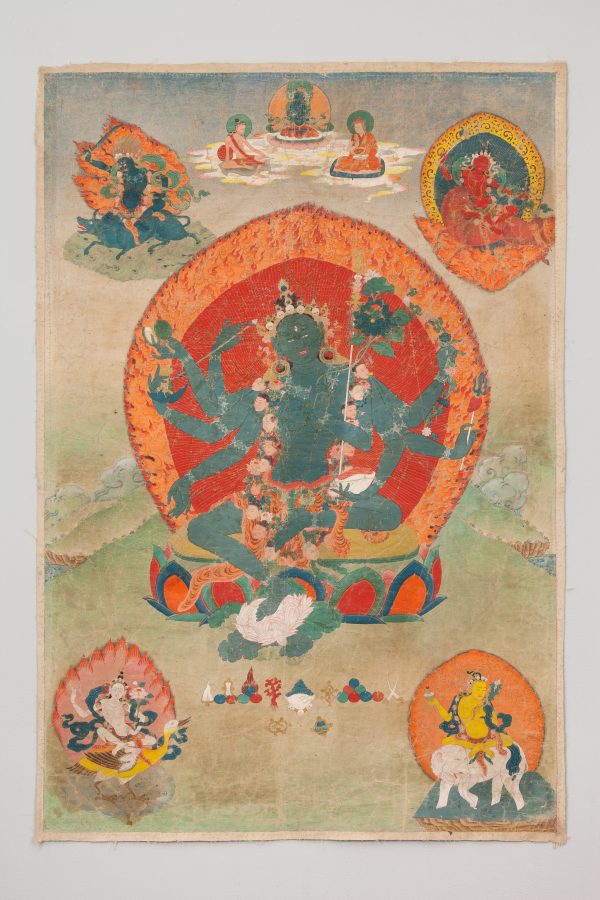
Tara, as a Great Yogini, After a Set of Paintings “Twenty-seven Tantric Deities” designed by Situ Panchen (1700-1774)
Kham Region, Eastern Tibet, 19th century
Siddhi Lakshmi
Nepal, dated by inscription, 1694
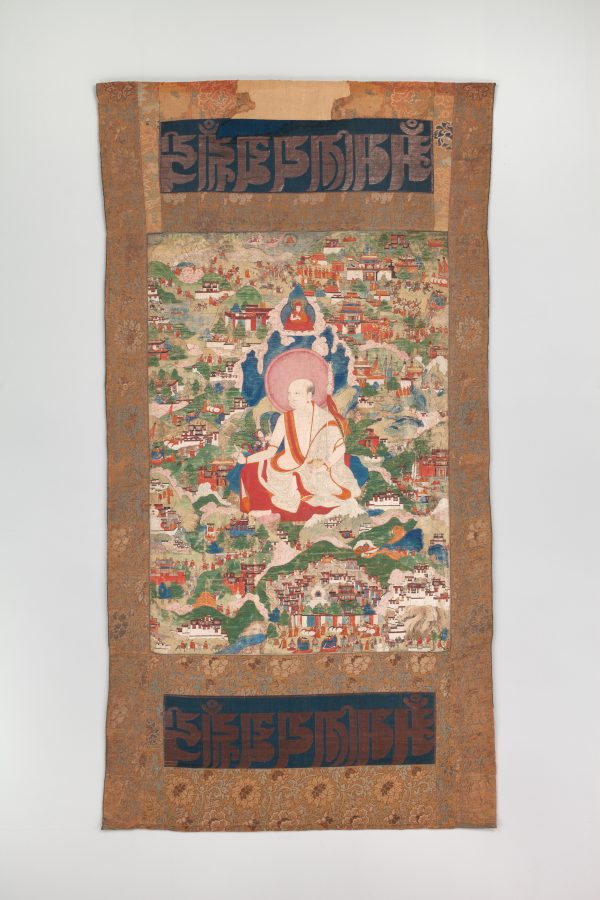
Scenes from the Life of Jamyang Tutob Wangchuk (1588-1637)
Tibet, 17th century
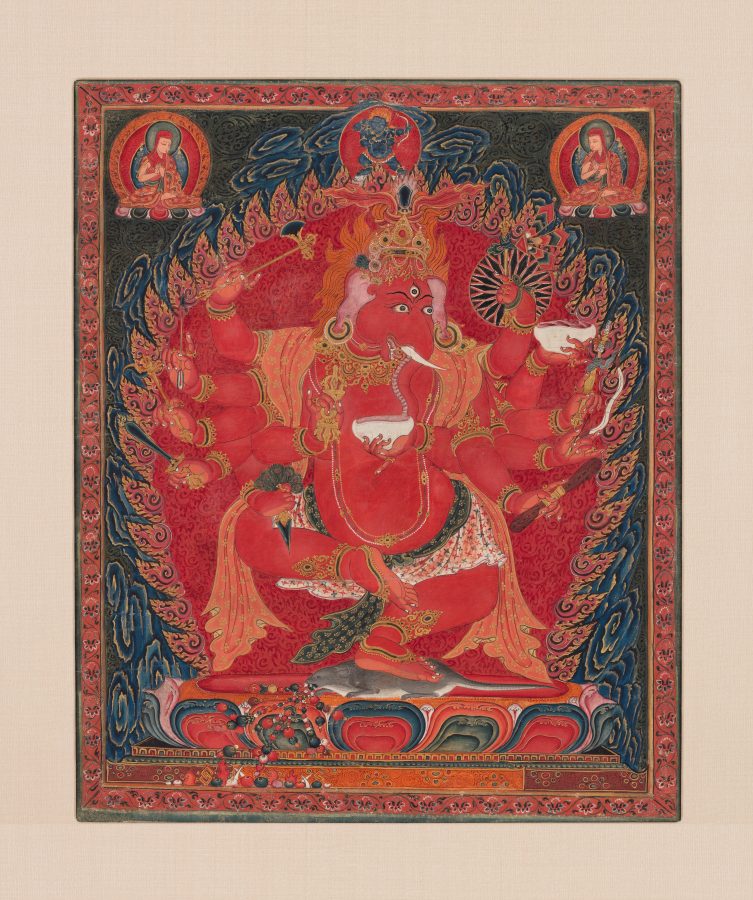
Red Ganapati, One of the Three Great Red Deities
Tsang region, central Tibet, 16th century
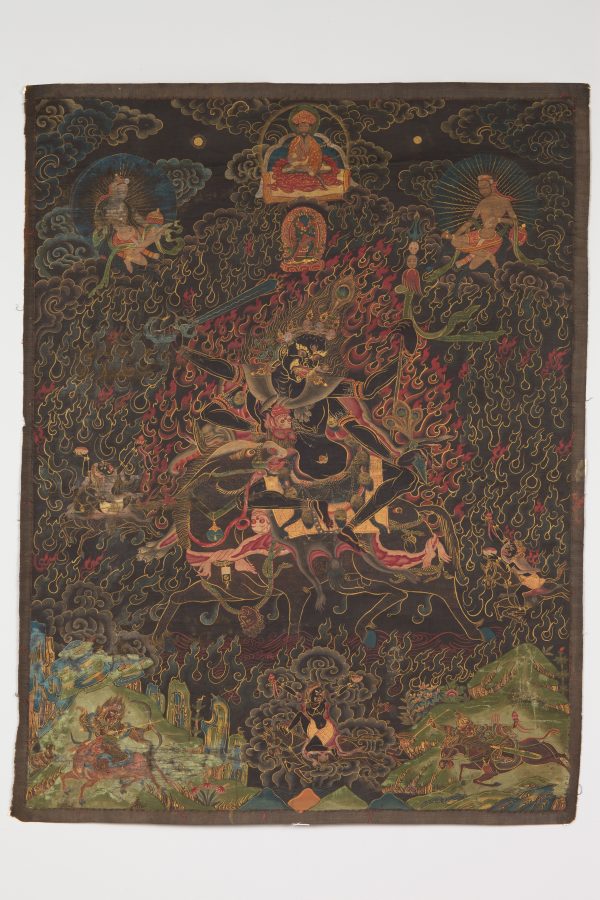
Pelden Lhamo Dusolma “Smoke-Clad Goddess”
Tibet, 14th century
Pelden Lhamo Dusolma
Bhutan, 19th century
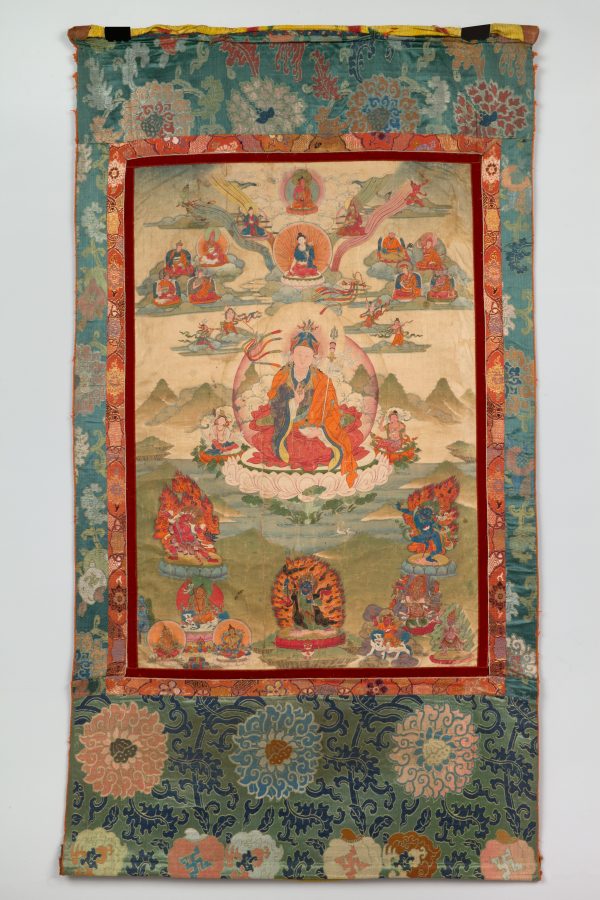
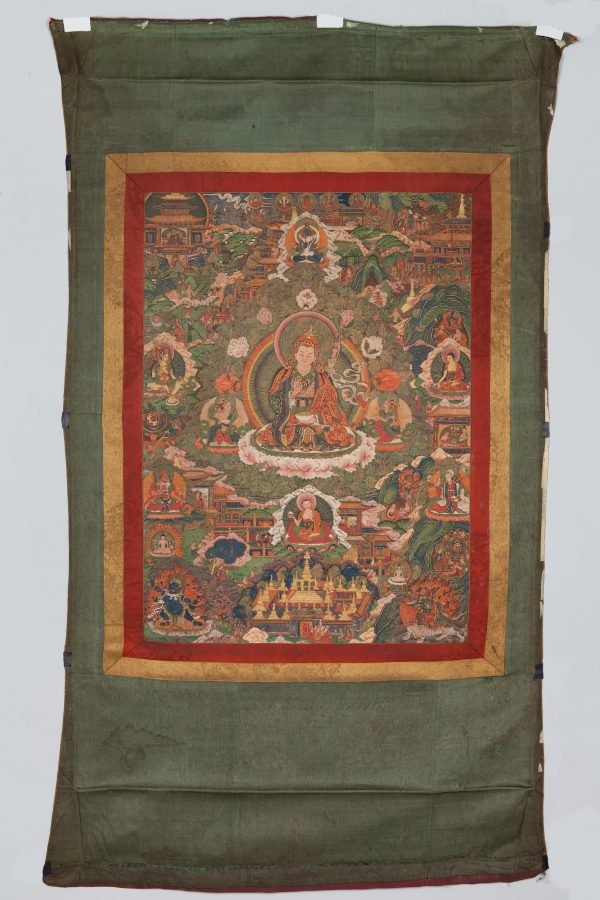
Padmasambhava with Lineage Teachers
Kham Province, Eastern Tibet, 19th century

Sign up for our emails

Get the latest news and stories from the Rubin, plus occasional information on how to support our work.

Discover artworks, articles, and more by typing a search term above, selecting a term below, or exploring common concepts in Himalayan art.