Perspectives at the intersection of art, science, and Himalayan cultures
 Drakpa Gyeltsen (1147-1216) and Sakya Pandita (1182-1251)
Central Tibet, ca. 15th century
 Dralha Yesi Gyelpo
Tibet, 19th century
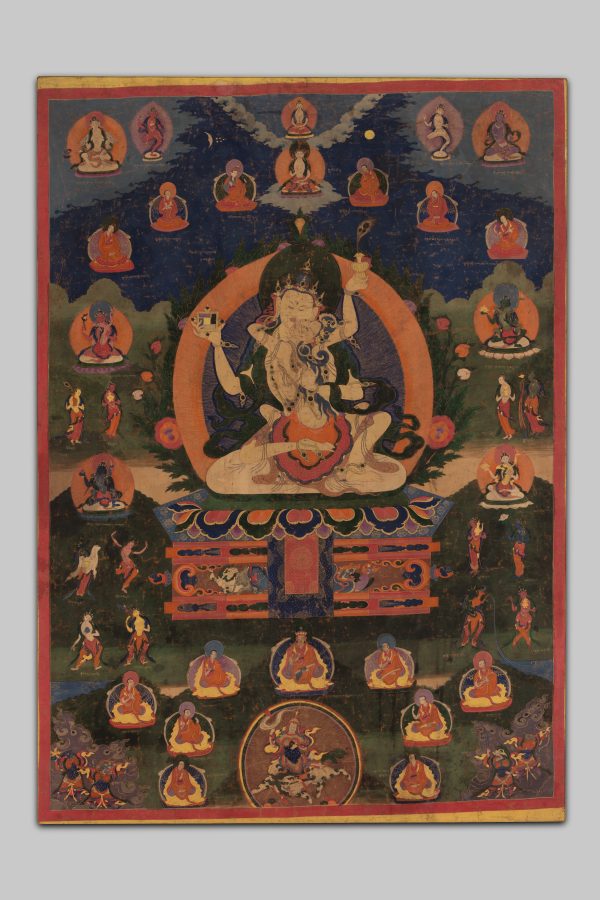 Drenpa Namkha (ca. 8th century)
Ngawa, Southeastern Amdo region, eastern Tibet, late 19th century
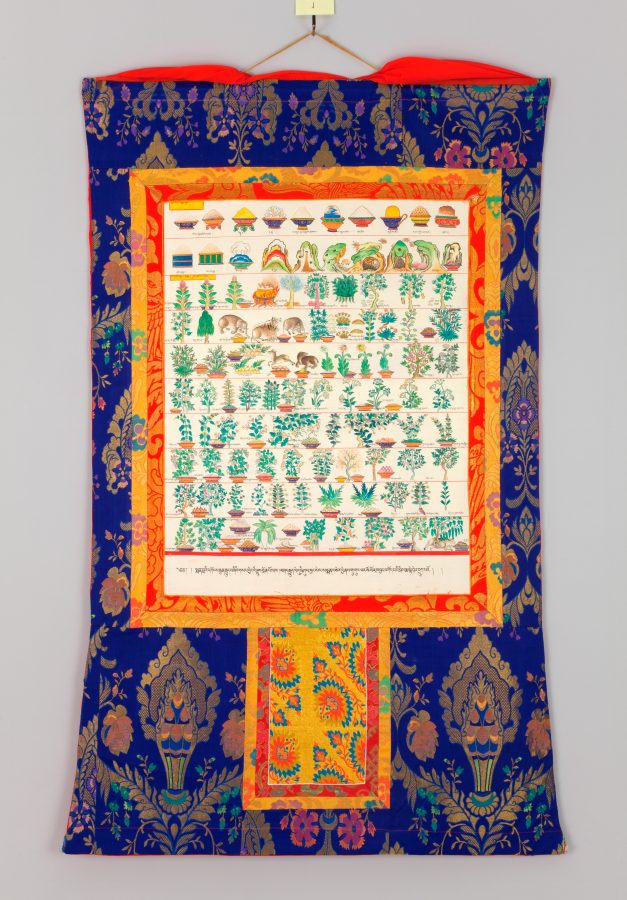 Earth, Wood, Nectarous and Plateau Medications (chapter 20 cont.)
Chentsa, Amdo region, Northeastern Tibet (Jianzha, Qinghai Province, China), 1995-1996
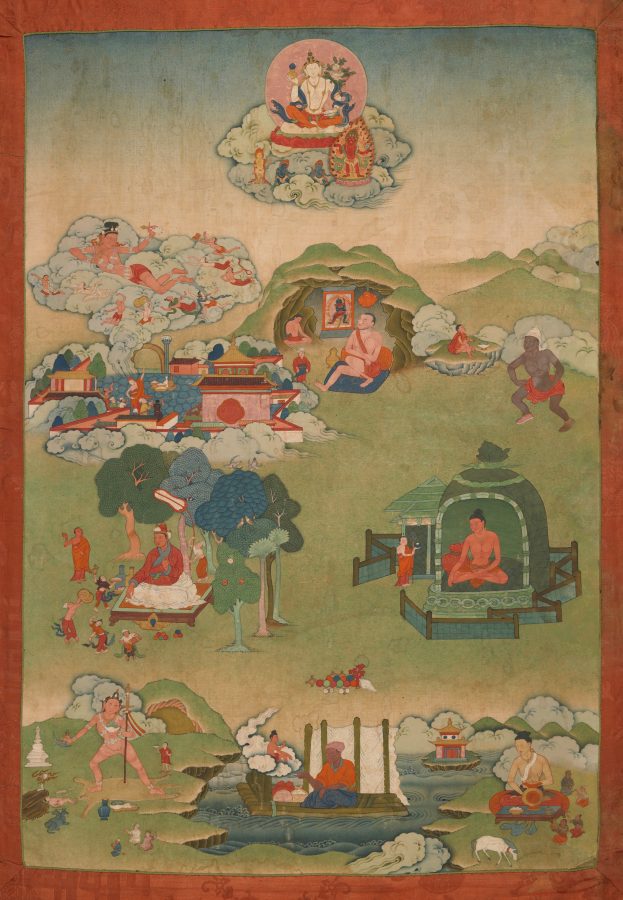 Eight Great Tantric Adepts (From a Pelpung Monastery eleven-painting set of The Eighty-four Great Tantric Adepts)
Kham Province, Eastern Tibet, 19th century
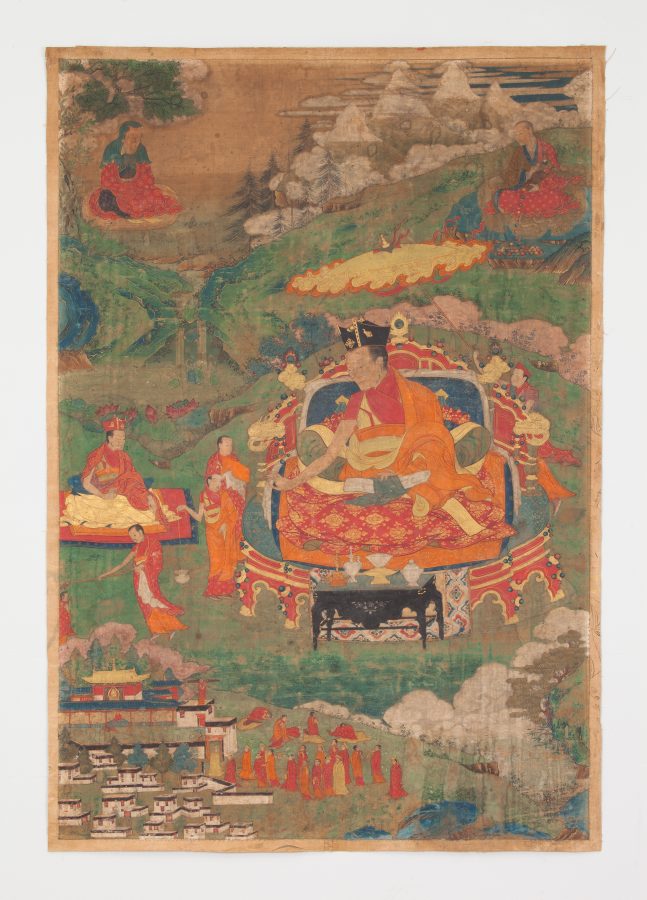 Eighth Karmapa, Mikyo Dorje (1507-1554)
Kham Region, Eastern Tibet, 18th century
 Ekajati
Bhutan, 19th century
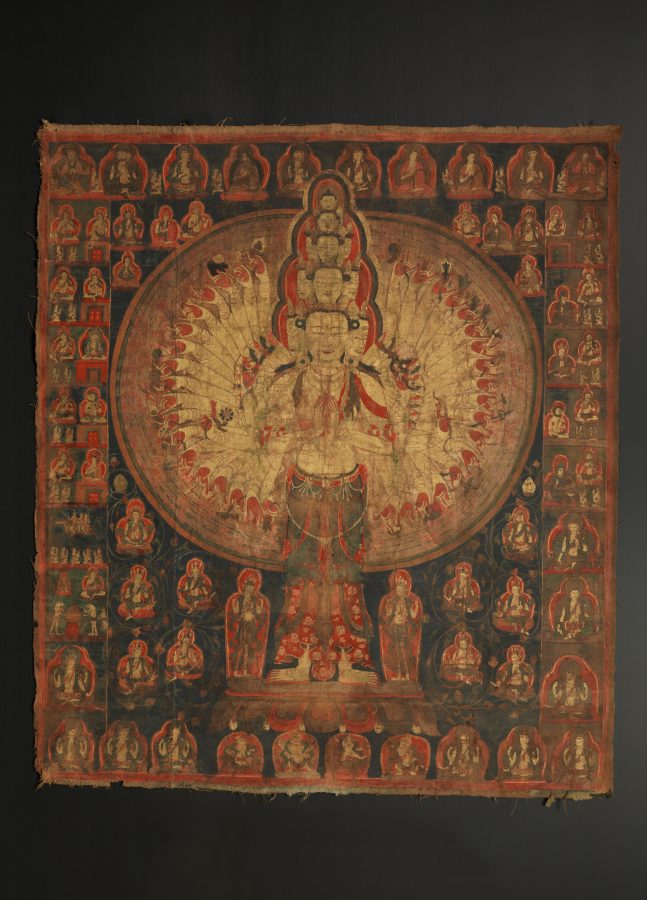 Eleven-Headed Thousand-Armed Avalokiteshvara
Tibet, 14th-15th century
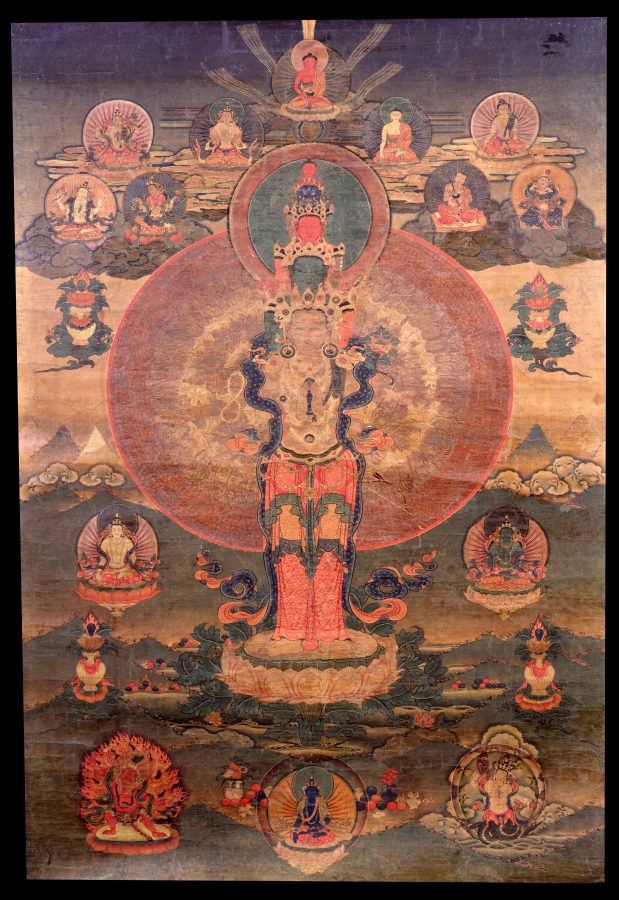 Eleven-Headed Thousand-Armed Avalokiteshvara
Kham Province, Eastern Tibet, 19th century
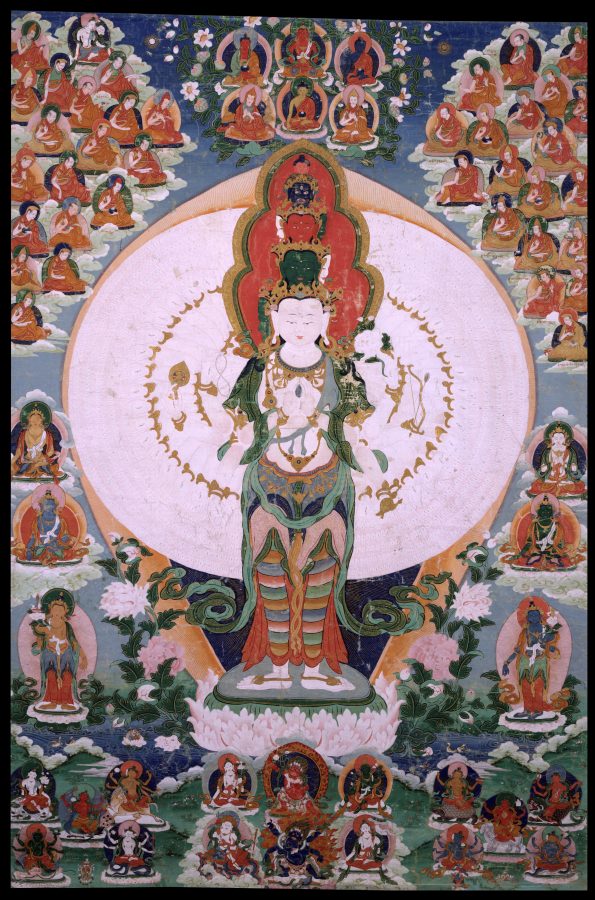 Eleven-headed, Thousand-Armed Avalokiteshvara
Central Tibet, early 20th century (before 1935)
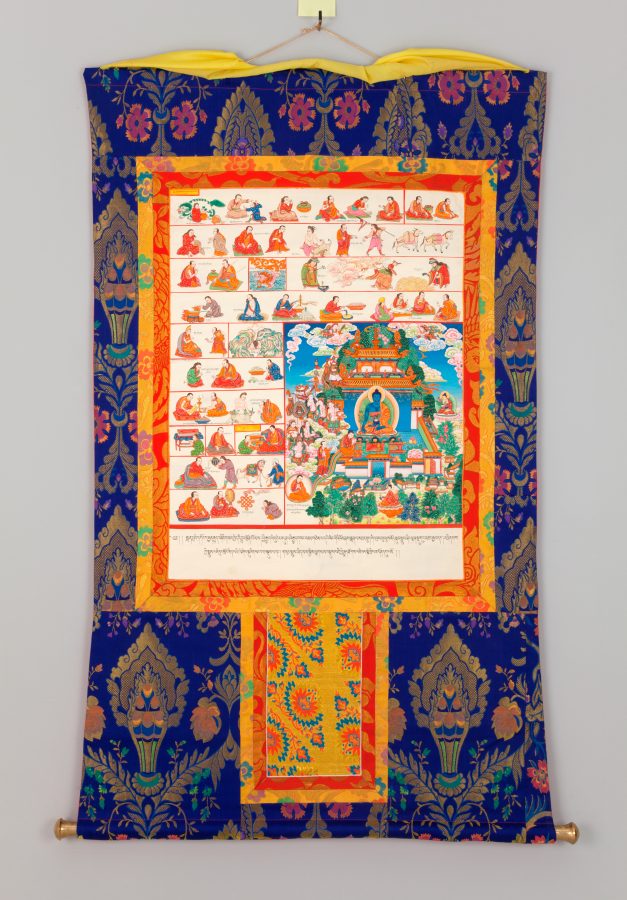 Entrustment of the Four Tantras (chapter 27 cont.)
Chentsa, Amdo region, Northeastern Tibet (Jianzha, Qinghai Province, China), 1995-1996
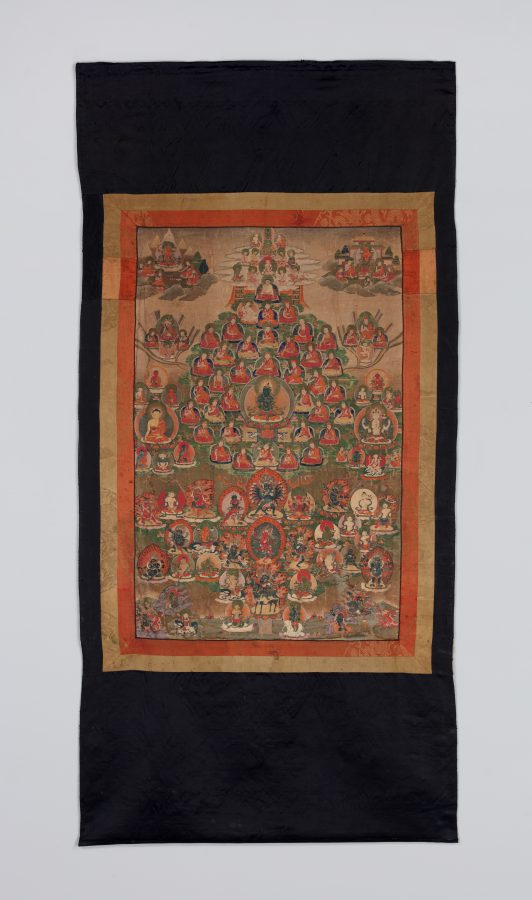 The Field of Accumulation of Merit
Tibet, early 20th century
 Field of Accumulation of Merit (Tsokshin) of the Geluk Tradition with Tsongkhapa
Central Tibet, ca. late 18th - early 19th century
 Arhat Nagasena
Tibet, 18th century
 Arhat Pantaka
China or Tibet, 17th - 18th century
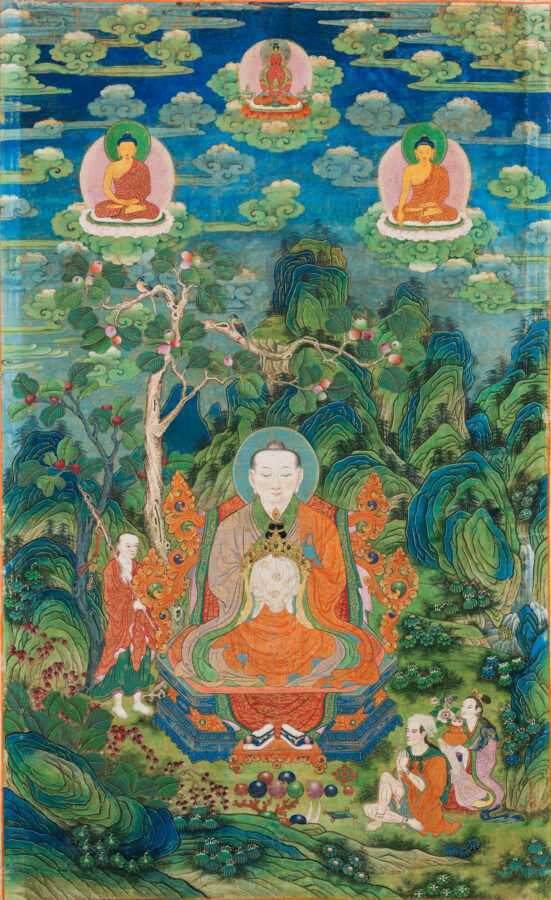 Arhat Rahula
China, possibly Xumi Fushou Monastery 須彌福壽之廟, Chengde, Qianlong period (1736–1795), ca. 1780