Tibetan Buddhism originated in texts and practices adopted from northern India. Northeastern India, immediately to the south of Tibet, is the birthplace of Buddhism and home to the main pilgrimage sites celebrating the Buddha’s life.
Tibetan Buddhism originated in texts and practices adopted from northern India. Northeastern India, immediately to the south of Tibet, is the birthplace of Buddhism and home to the main pilgrimage sites celebrating the Buddha’s life.
This region and Kashmir to the northwest were major artistic centers, and the work produced there was well known and collected in Tibet. Broadly speaking, Tibetan art inherited its proportions and much of its symbolism from Indian precedents.
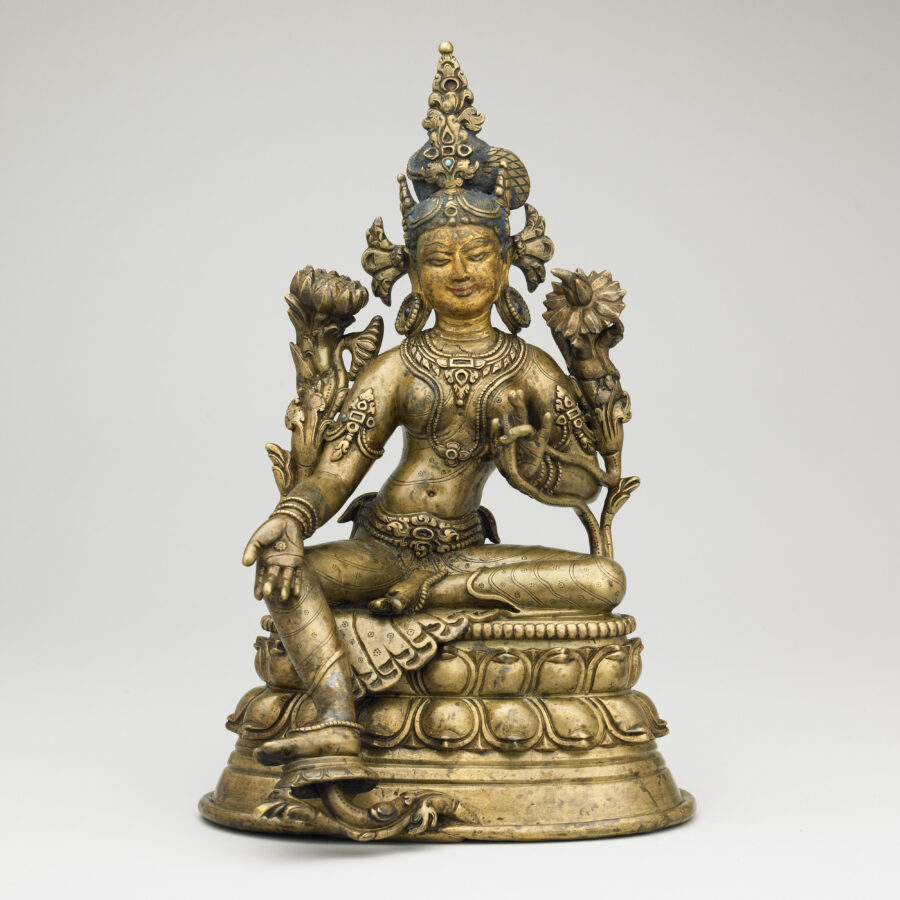
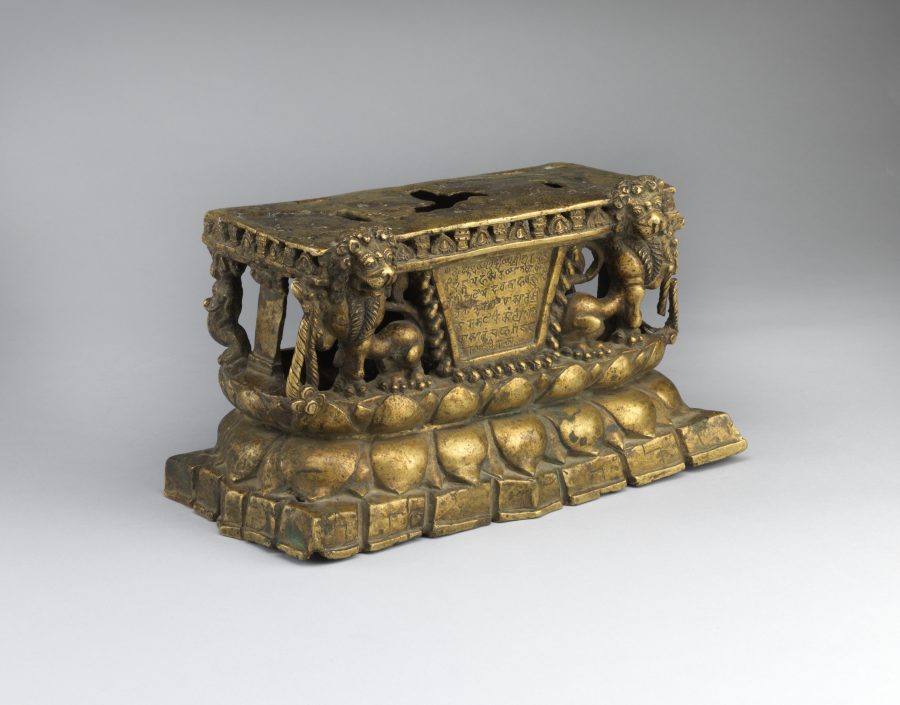
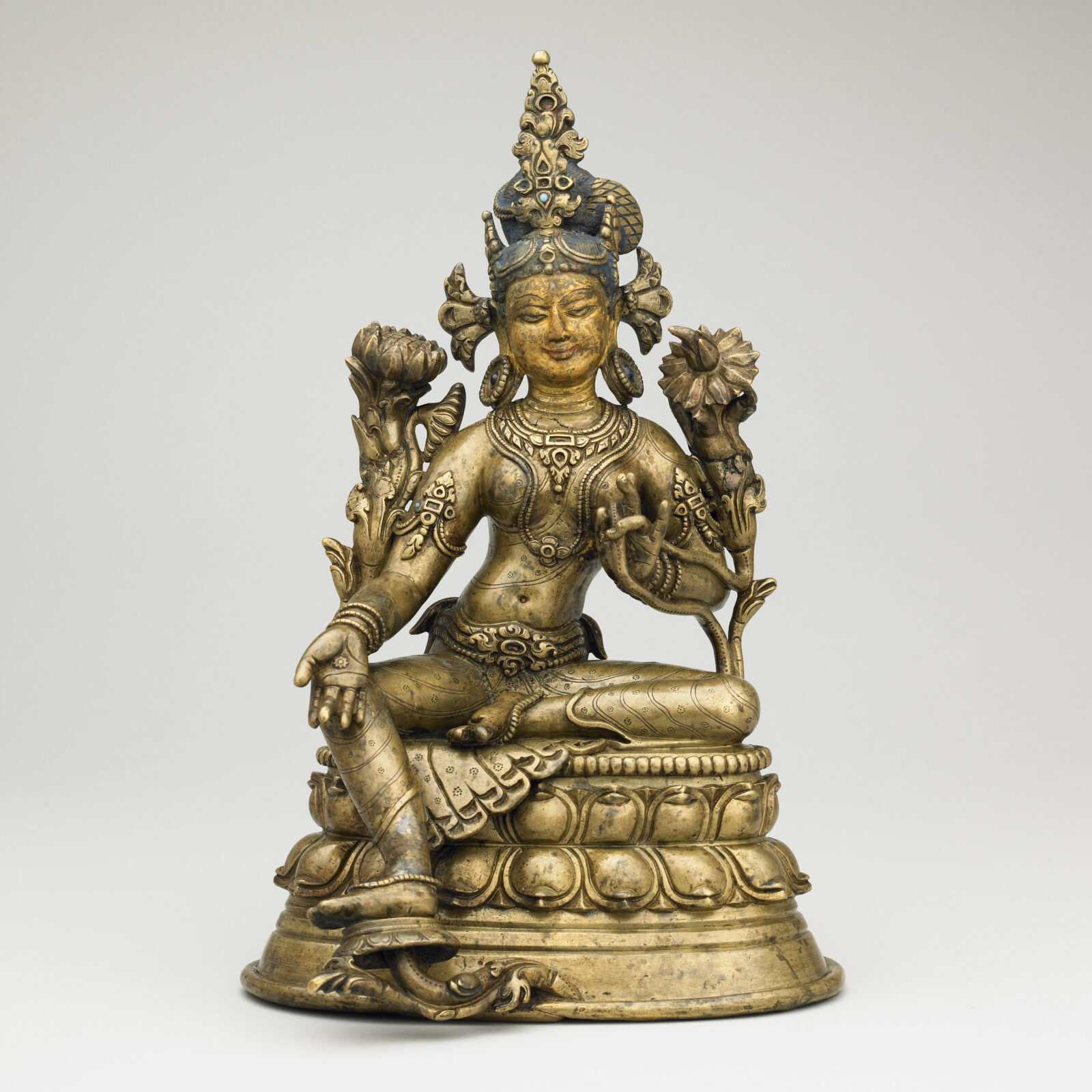
This section displays objects from northeastern India and Kashmir. Tibetans have retrospectively categorized their art based on visual models from these two areas. Tibetan art following the traditions of northeastern India is called the Eastern Indian Style (Sharri or Shar luk). Tibetan art modeled on the traditions of Kashmir and the Western Himalayas is called the Artistic Tradition of Kashmir (Kache luk).
Select each work to learn more.


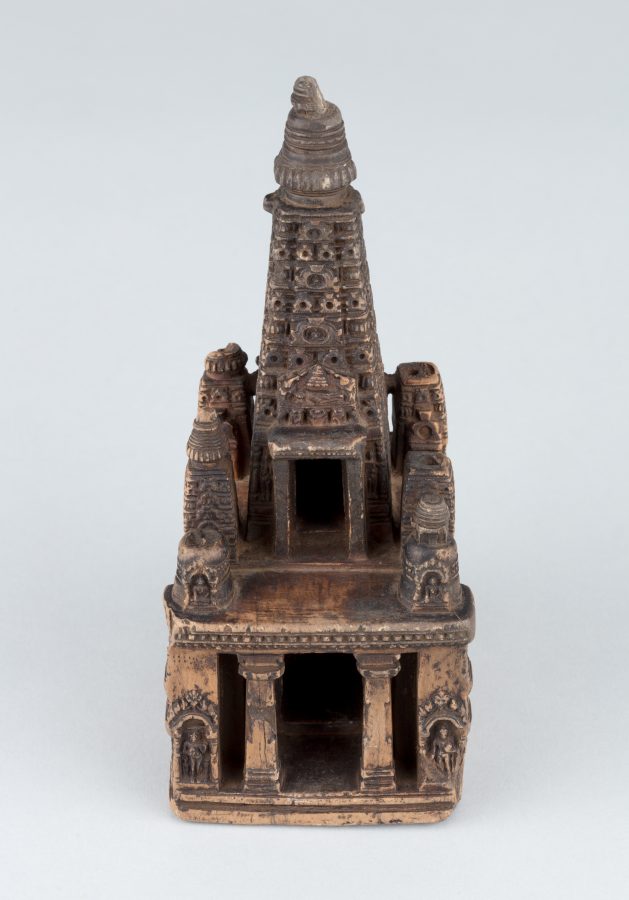
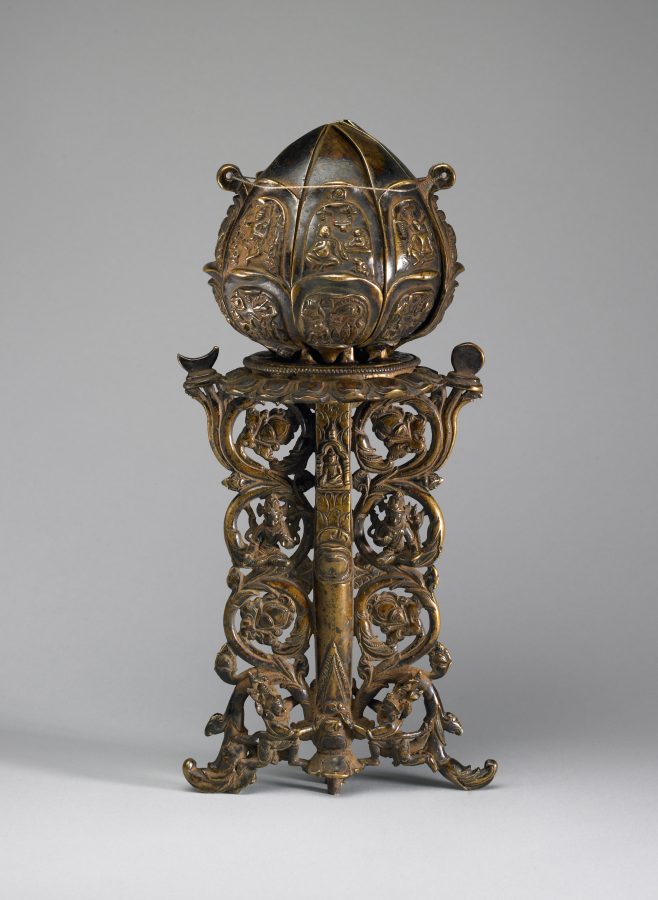


Northeastern India
10th century
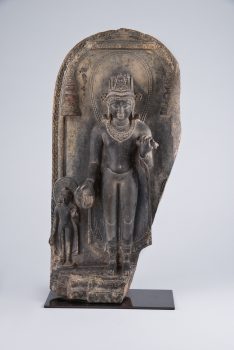
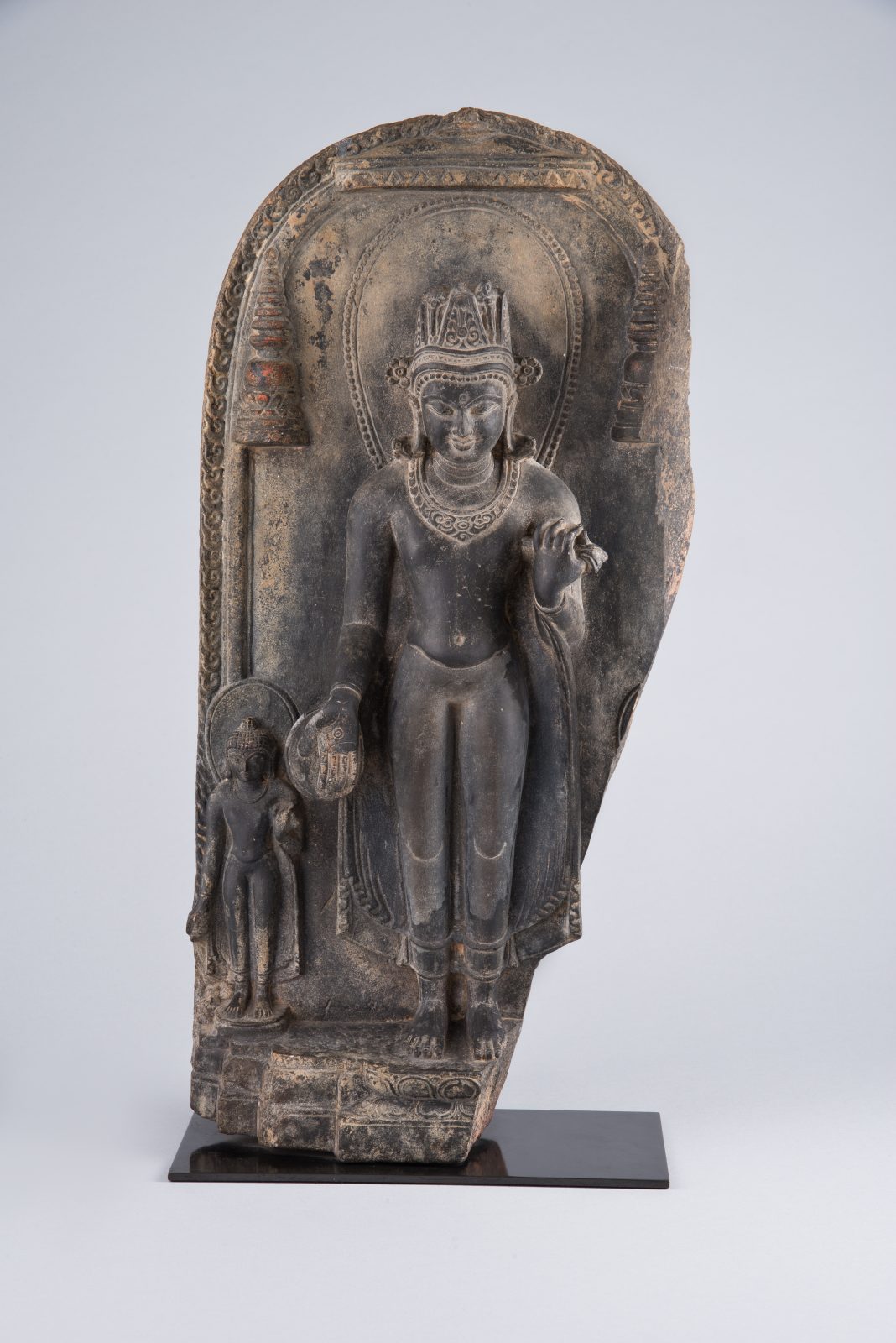
For early Tibetan Buddhists the holy sites of northeastern India were important pilgrimage sites. This sculpture is modeled after images of the Buddha located in and around Bodhgaya, the place of the Buddha’s awakening (see adjacent model of the Mahabodhi Temple). In this region Tibetans encountered images of the Buddha standing in a rigid pose, facing forward, with his legs together and clothing clinging to his body. Many Buddha depictions of this period are crowned and bejeweled, a characteristic that became popular beginning in the seventh century and is occasionally quoted in early Tibetan painting.
Learn about a northeastern Indian crowned Buddha sculpture that traveled to Tibet
Get the latest news and stories from the Rubin, plus occasional information on how to support our work.