Photo by Molly O’Keeffe/Capture Imaging for USC
Photo by Molly O’Keeffe/Capture Imaging for USC
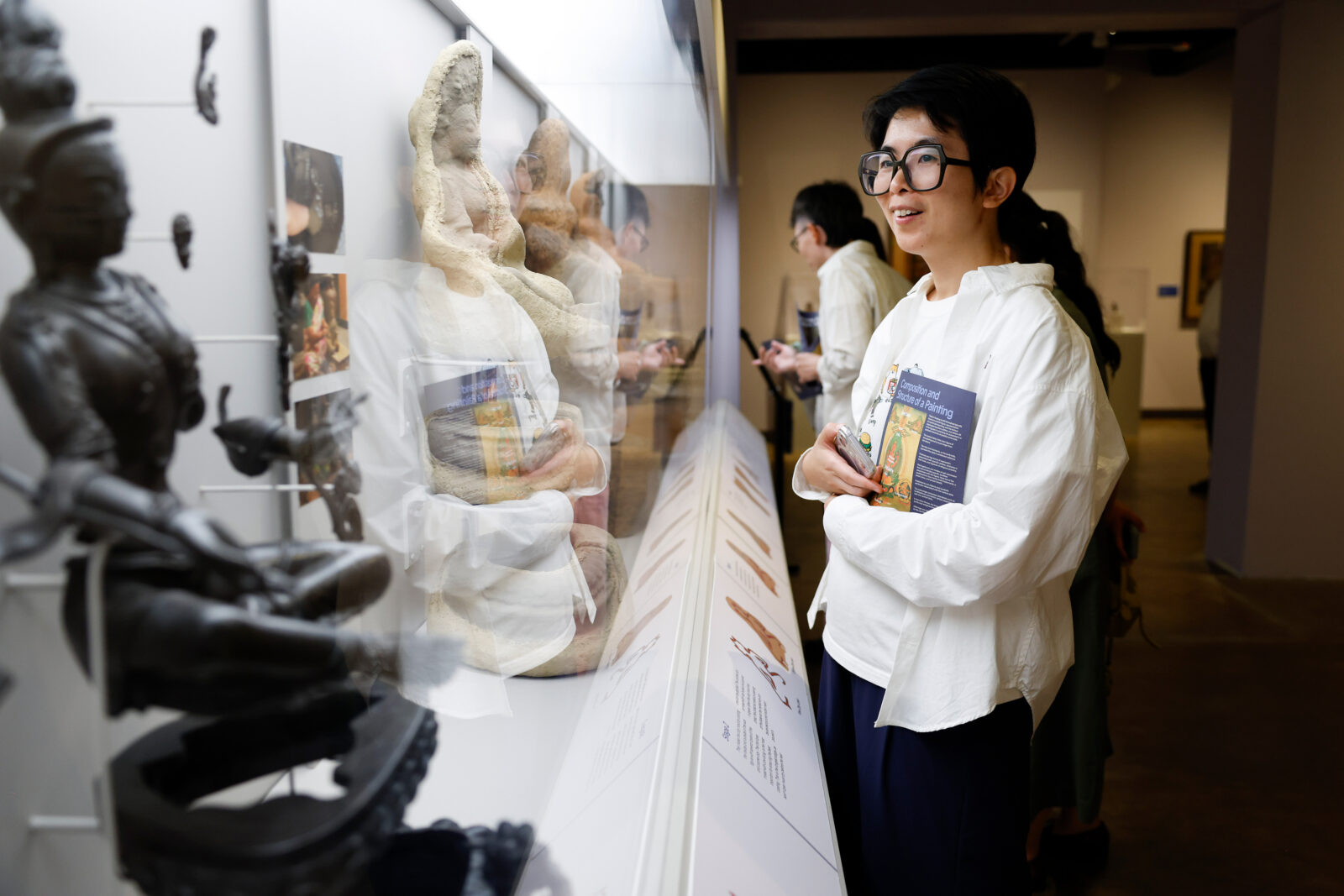
The Pacific Asia Museum at the University of Southern California in Pasadena is the eighth host of the Rubin’s traveling exhibition Gateway to Himalayan Art. The exhibition brings opportunities to learn and teach about Himalayan art in USC PAM, USC classrooms, and the wider community that will last beyond its closing on January 10, 2027.
During the opening weekend, the exhibition’s curators—Karl Debreczeny, senior curator of collections, and Elena Pakhoutova, senior curator of Himalayan art—from the Rubin led a workshop in the galleries for attendees comprising museum docents, USC faculty, and graduate students, to familiarize them with the exhibition, interconnected resources, and ways that the exhibition can reach different audiences. One docent who attended, for instance, is creating a tour specifically for seniors in the community.
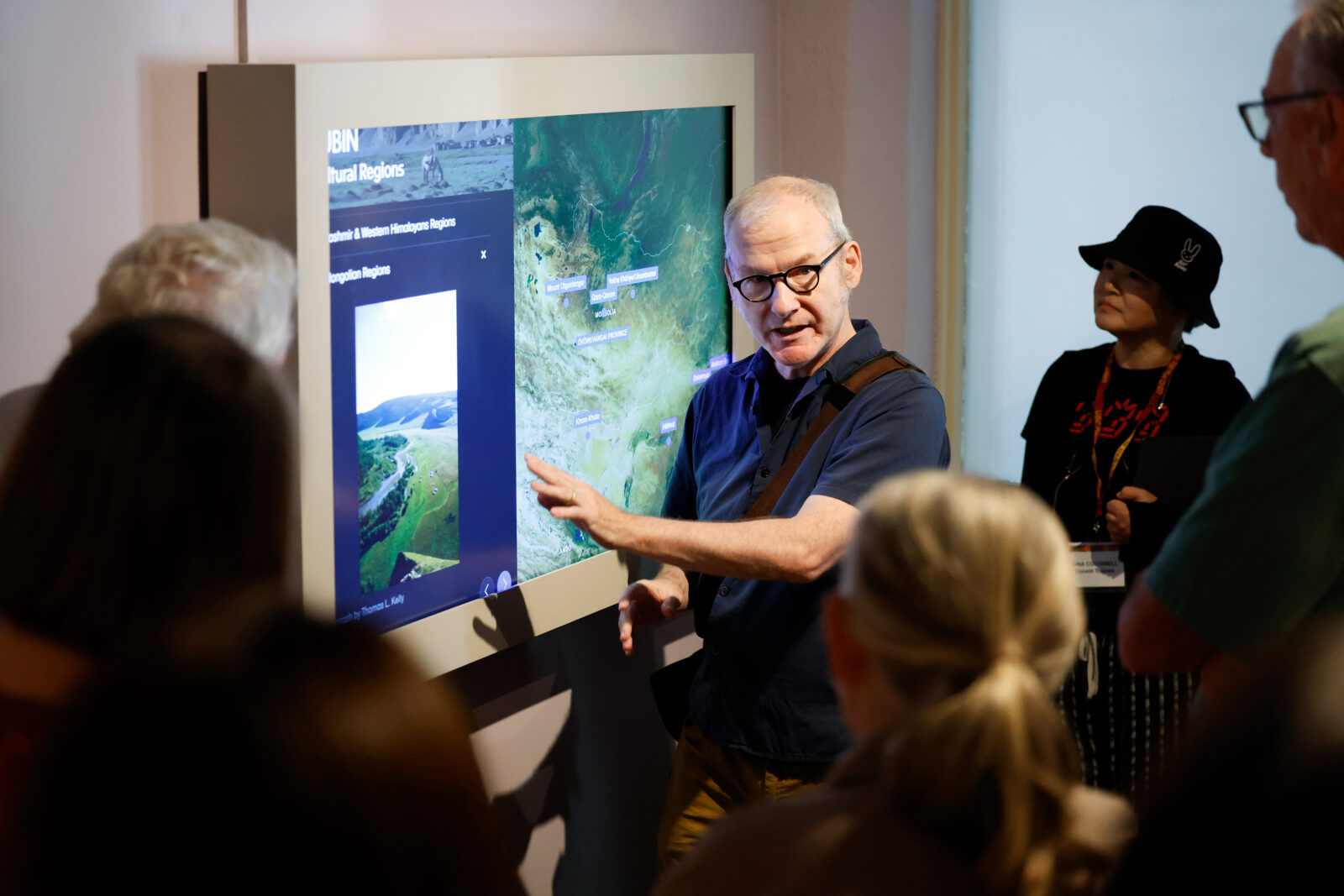
Photo by Molly O’Keeffe/Capture Imaging for USC
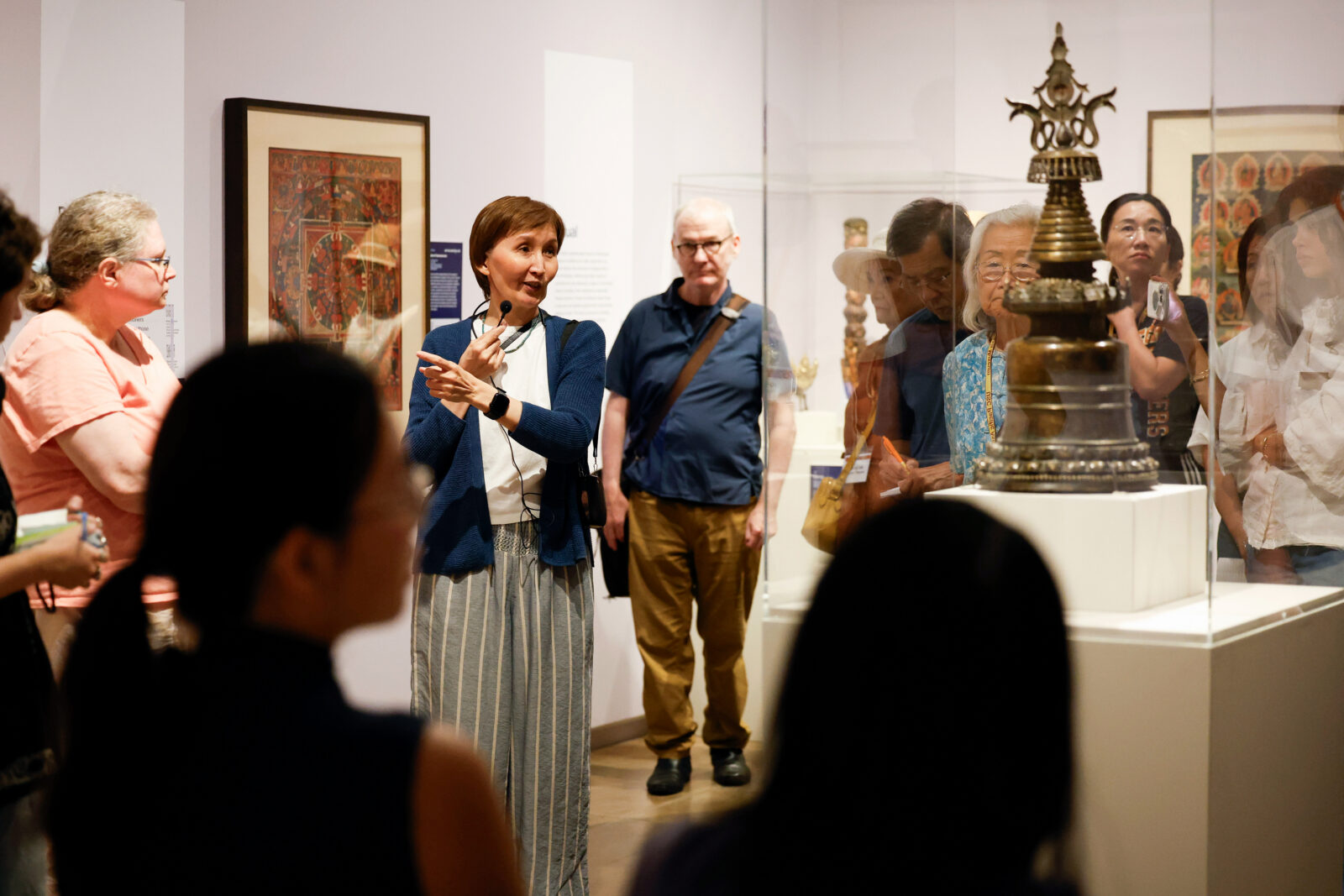
Photo by Molly O’Keeffe/Capture Imaging for USC
Gateway to Himalayan Art—an introduction to Himalayan art and cultures through objects in the Rubin’s collection—is an intersecting element of Project Himalayan Art, the Rubin’s three-part interdisciplinary resource for learning about Himalayan, Tibetan, and Inner Asian art and cultures, which also includes a digital platform and the publication Himalayan Art in 108 Objects.
The exhibition walk-through looked at how it was organized, including the way it emphasizes living traditions—for example, amplifying voices of Himalayan communities on audio wands and through QR codes, or videos of artists creating the type of objects shown in the gallery—and ways to use the digital resources in the galleries. Debreczeny and Pakhoutova also discussed how Gateway fits into the Project Himalayan Art ecosystem—the exhibition objects “serve as entry points for essential concepts,” Debreczeny explains, and the digital platform and essays can provide more insight into these or similar objects, from the way they were made to their place of origin or the deities they represent.
Gateway to Himalayan Art was an opportunity for USC PAM to dig into its own Himalayan art collection of almost 500 objects—which hadn’t been shown in a dedicated Himalayan art exhibition in more than 20 years. The resulting exhibition, We Are Connected: Highlights from the USC Pacific Asia Museum Himalayan Collection, opened alongside Gateway to Himalayan Art and is on view until May 10, 2027.
We Are Connected was curated by Dr. Sonya Lee, professor of art history, East Asian languages and cultures, and religion at USC, who researched objects from USC PAM’s collection with some guidance from Debreczeny, Pakhoutova, and Westin Harris, the Rubin’s resident scholar in Himalayan Cultures. The exhibition incorporates Dr. Lee’s interest in art and ecology, looking at interconnectedness—both between people and their interconnectedness with animals, plants, the Himalayan landscape, spirits, and the cosmos—through artworks like scroll paintings (thangkas), traveling shrines, and ritual objects.
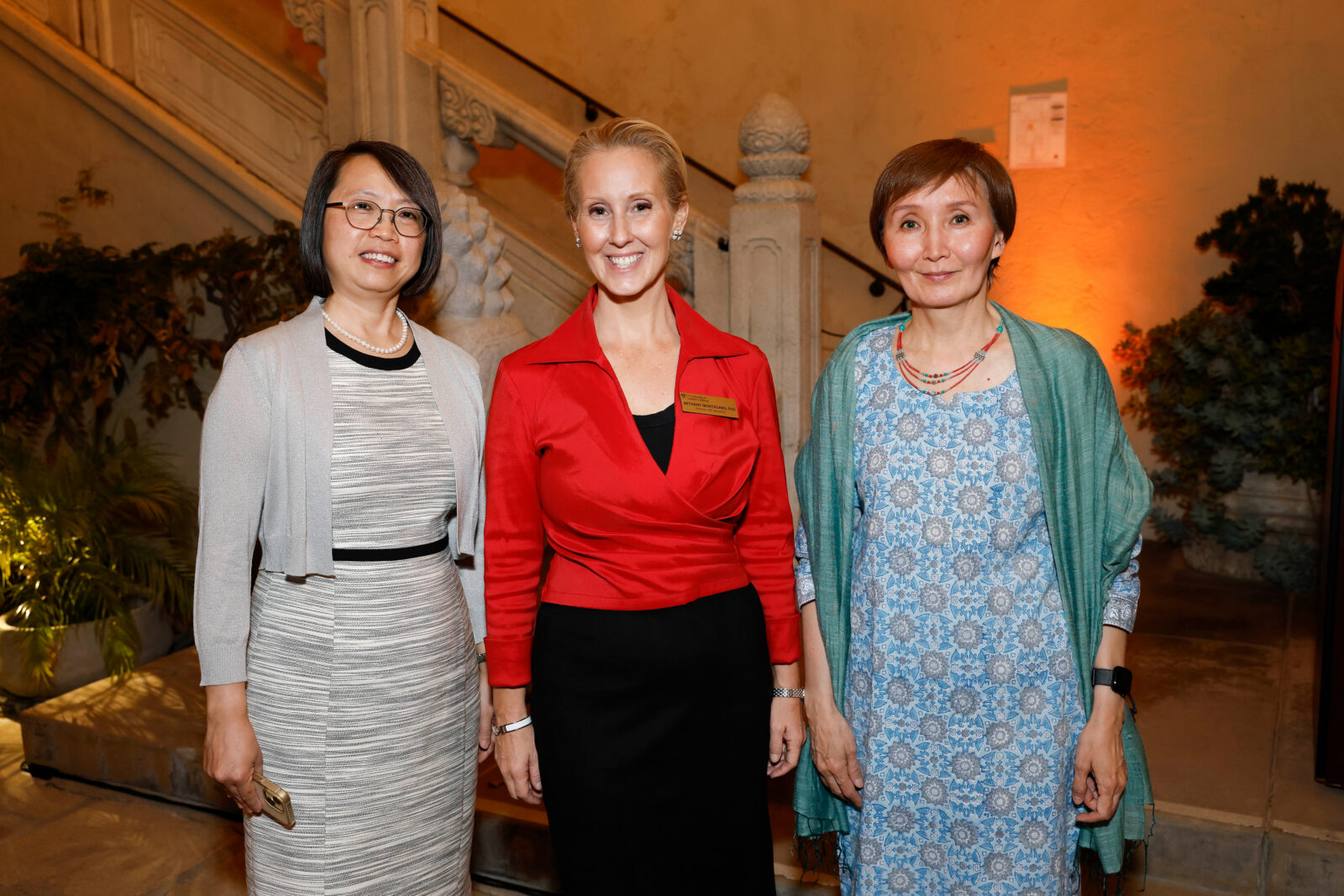
Dr. Sonya Lee, professor of art history, East Asian languages and cultures, and religion; Bethany Montagano, director of USC Museums; Elena Pakhoutova, Rubin senior curator; photo by Molly O’Keeffe/Capture Imaging for USC
Gateway to Himalayan Art—and Project Himalayan Art more broadly, as well as previous Rubin exhibitions—have also been incorporated into two courses Dr. Lee is teaching in the Fall 2026 semester. The undergraduate course “Visual Culture of Asia: Art of Buddhism in India, Tibet, and China” includes readings from Himalayan Art in 108 Objects, and works in Gateway to Himalayan Art popped up in the mid-term exam.
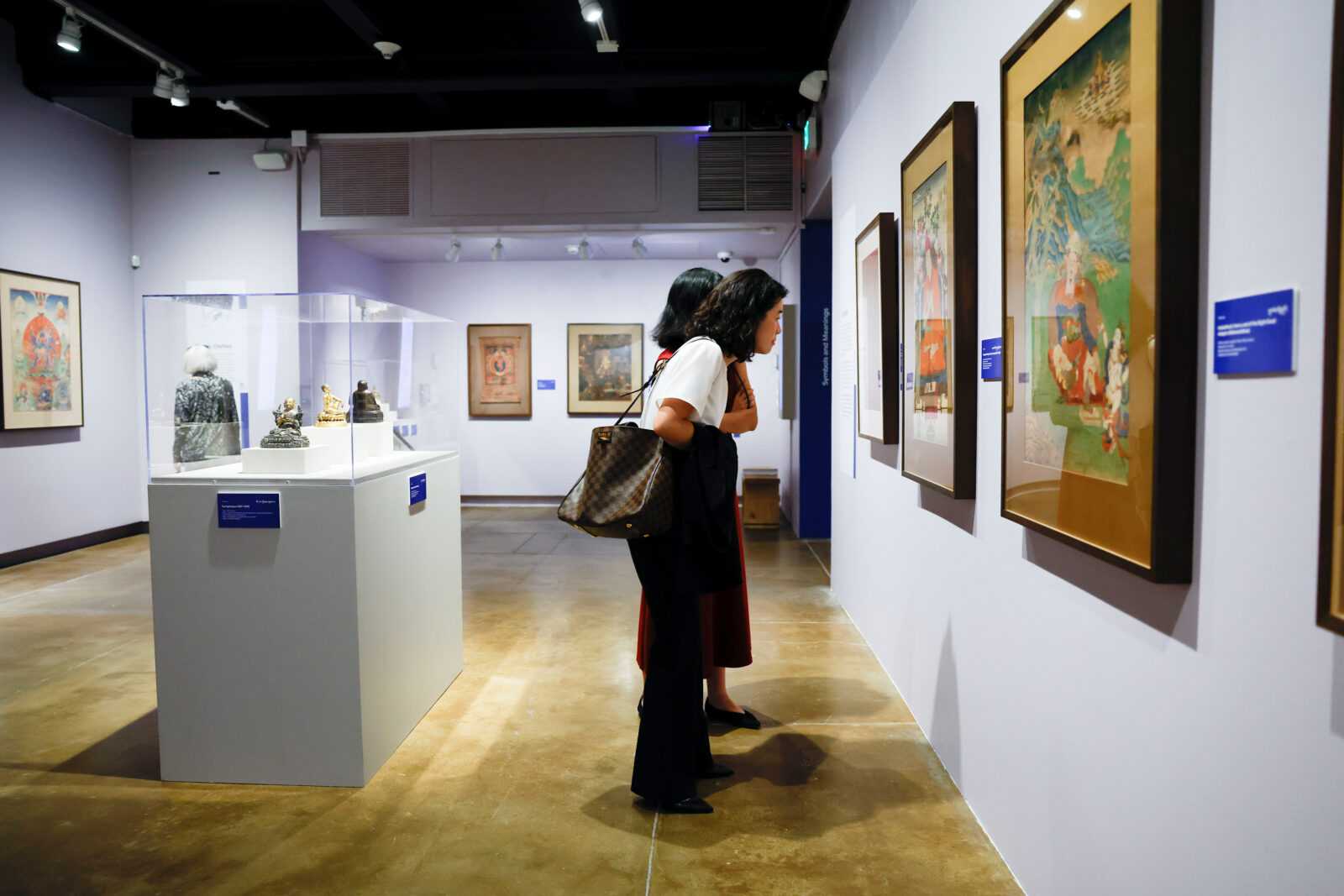
Photo by Molly O’Keeffe/Capture Imaging for USC
The graduate seminar in Chinese Art, “Asian Religions in Museums,” was designed to interact with both Gateway to Himalayan Art and We Are Connected: Highlights from the USC Pacific Asia Museum Himalayan Collection, and included participation in the Educator’s Workshop followed by a special conversation with Debreczeny and Pakhoutova, and a class focused on Debreczeny’s 2019 Rubin exhibition and accompanying publication, Faith and Empire: Art and Politics in Tibetan Buddhism. And in an assignment to design their own exhibitions, student groups named Rubin exhibitions including Death Is Not the End (2023), curated by Elena Pakhoutova, as inspiration.
Not all of the students in Dr. Lee’s graduate seminar specialize in Asian art. And even those who do don’t know much about Himalayan material culture specifically, according to Dr. Lee—which is why Project Himalayan Art is such a core and crucial part of the Rubin’s global model.
Gateway to Himalayan Art travels next to the Spencer Museum of Art at the University of Kansas in Lawrence, Kansas, in 2027.
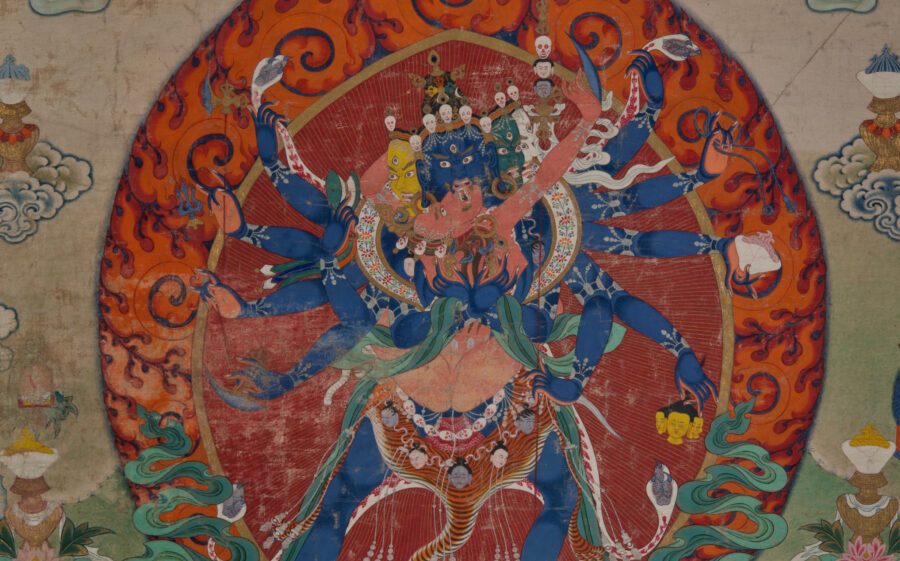
USC Pacific Asia Museum
University of Southern California
Pasadena, California


Get the latest news and stories from the Rubin, plus occasional information on how to support our work.