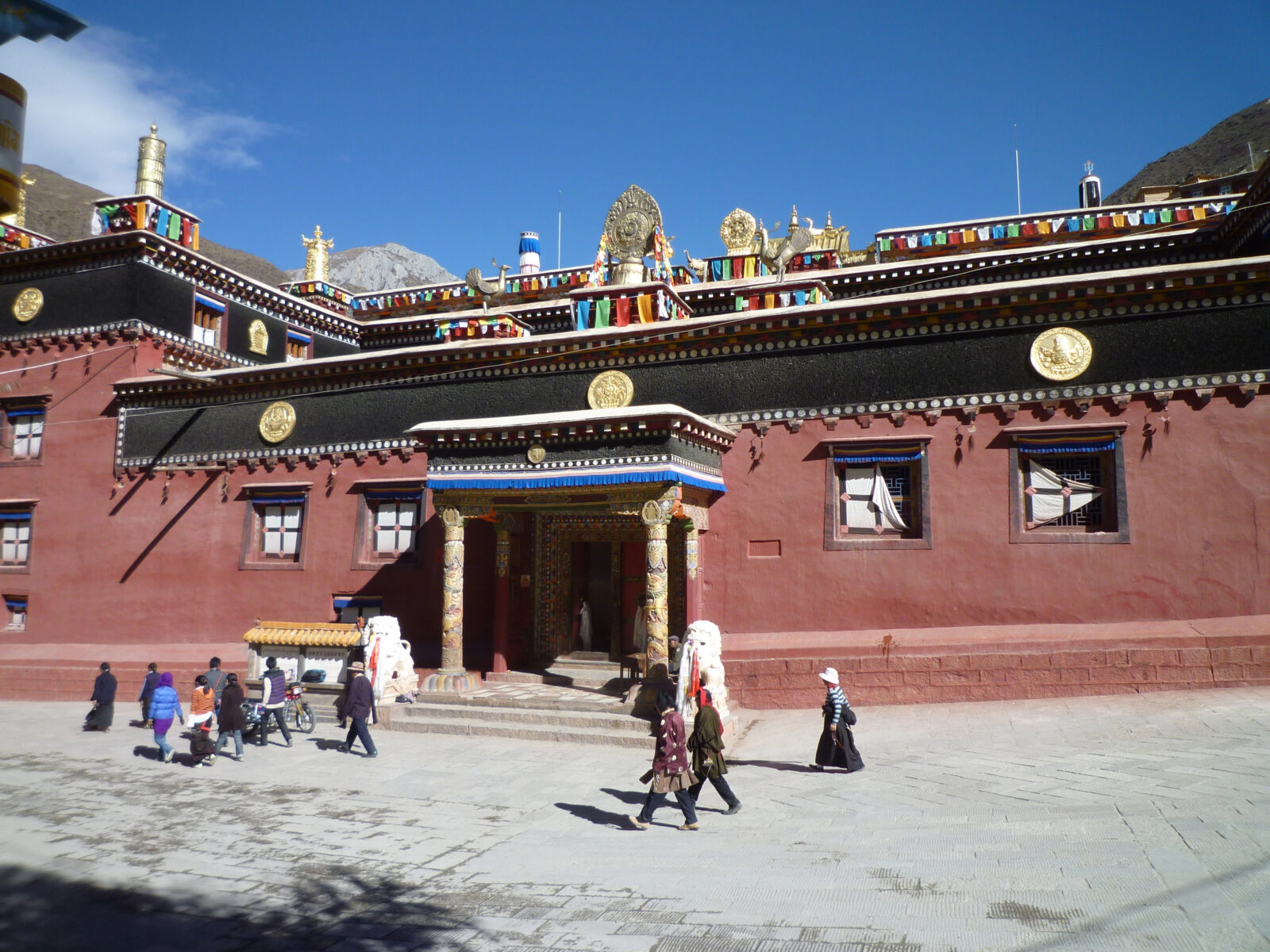
Photo Karl Debreczeny
Photo Karl Debreczeny
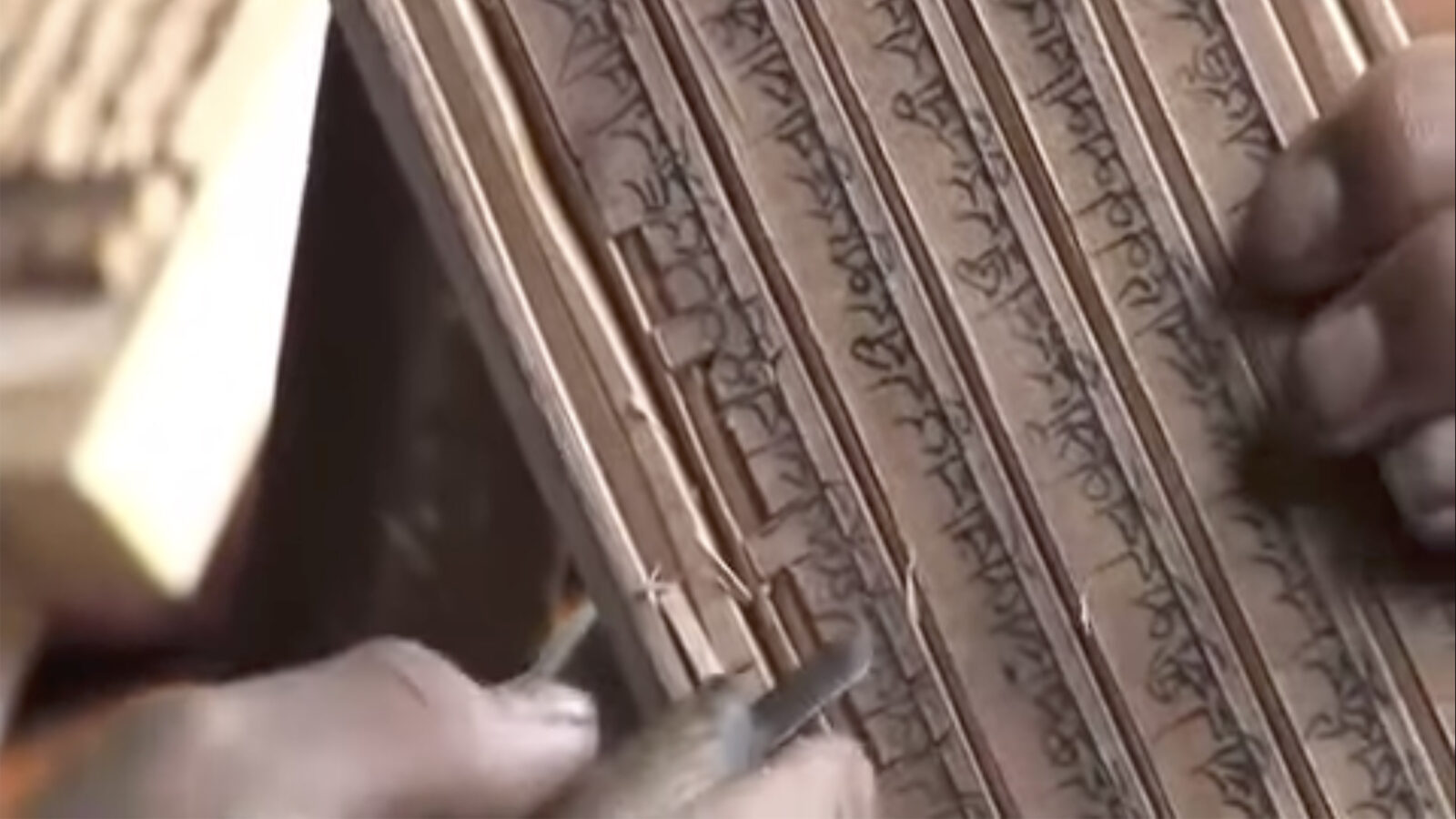
The ancient practice of woodblock printing endures at the Tibetan Derge Printing House
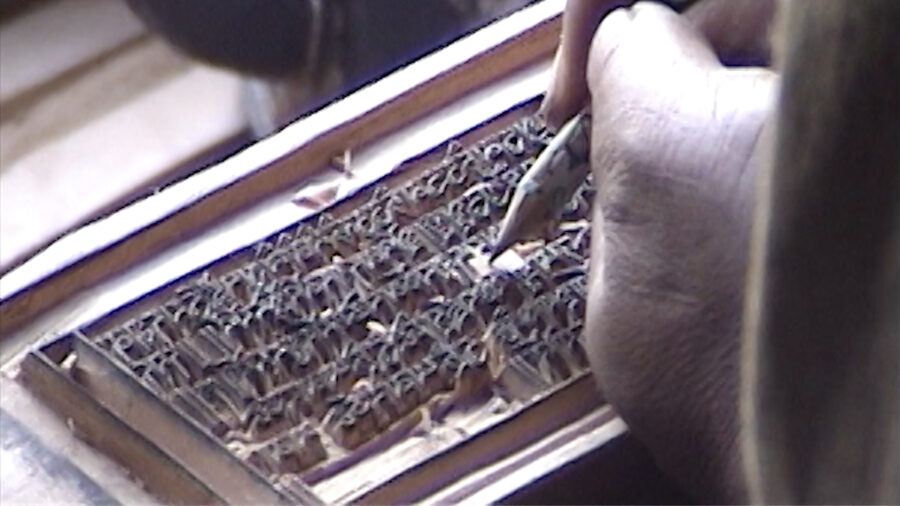
The evolution of printing technology is directly linked to Buddhism and the demand for the mass reproduction of religious texts and images of the Buddha. Woodblocks are carved in negative relief, coated with ink, then paper or fabric is laid on top of them and rubbed firmly to transfer the content to produce images, texts, prayer flags, initiation cards, and other objects. Chinese craftsmen were the first to use this process to print texts, with the first ones on record dating to the seventh century. The earliest known Tibetan-language xylograph is dated to the twelfth century, produced in the Tangut Kingdom (1038–1227) on the eastern end of the Silk Road.
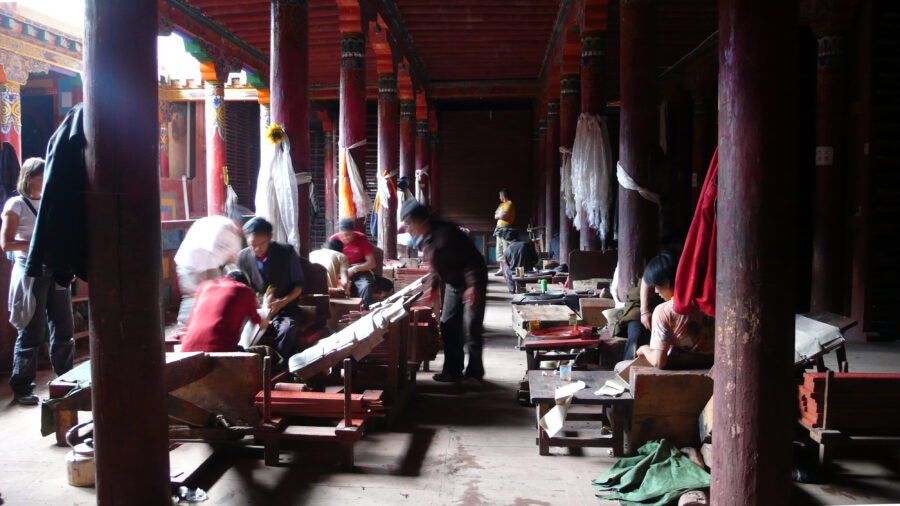
The Rubin Museum of Himalayan Art recently conducted a collection assessment of nearly 300 woodblock prints that were produced in the Kham region of southeastern Tibet at the Derge Printing House—one of the main printing houses in Tibetan regions and still an active part of this living tradition. These prints are mass-produced for wide distribution and also collected by tourists.
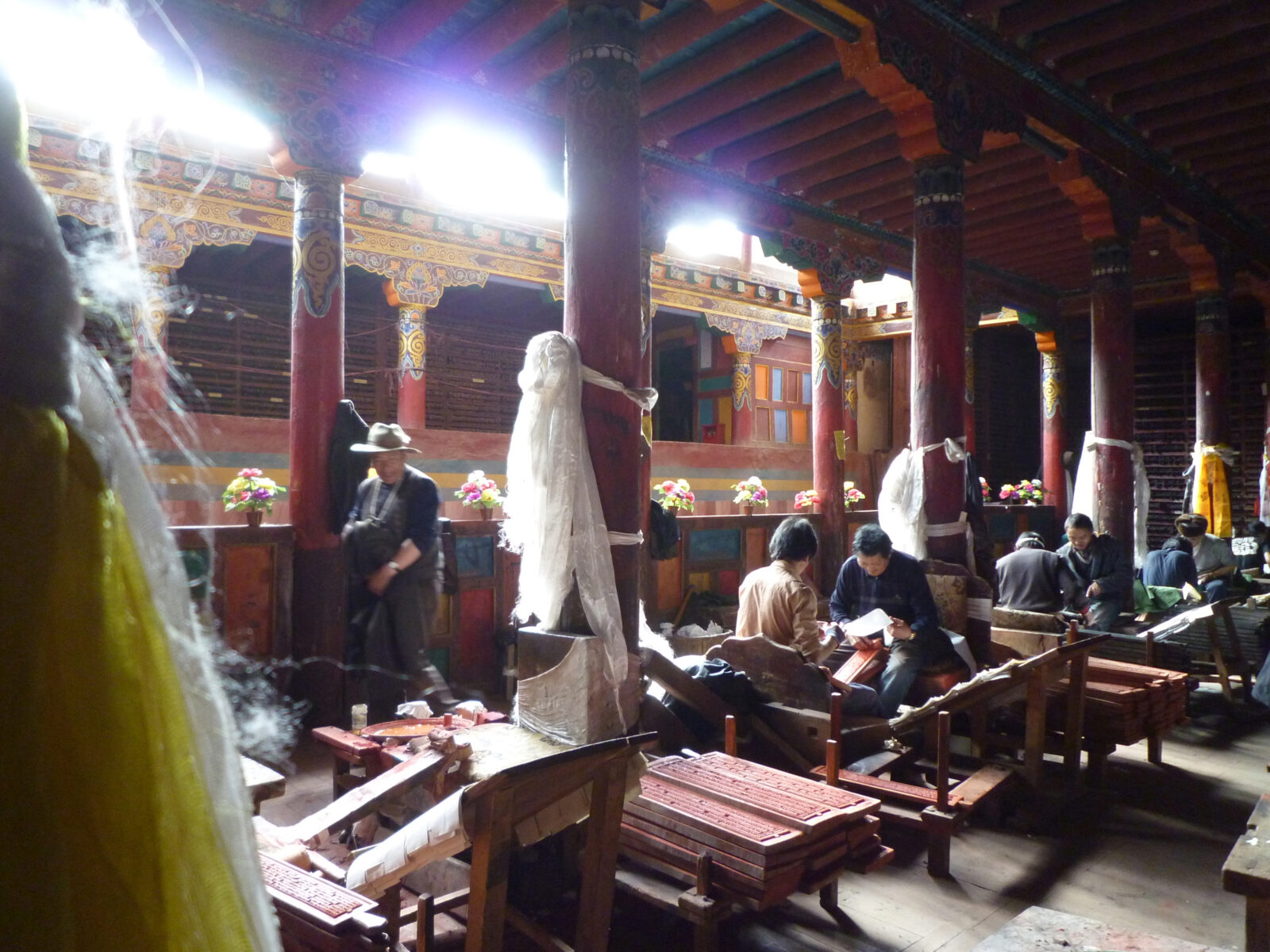
Photo Karl Debreczeny
The Derge Printing House was established 1729 by King Tenpa Tsering (1678–1738). It is most famous for housing printing blocks for the Derge edition of the Kangyur, edited by Situ Panchen (1700–1774), and the Tengyur, edited by Zhuchen Tsultrim Rinchen (1697–1774), under the patronage of King Lhachen Puntsok Tenpa (d. 1751). Derge also houses a vast collection of printing blocks for other texts and images from every Tibetan religious tradition.
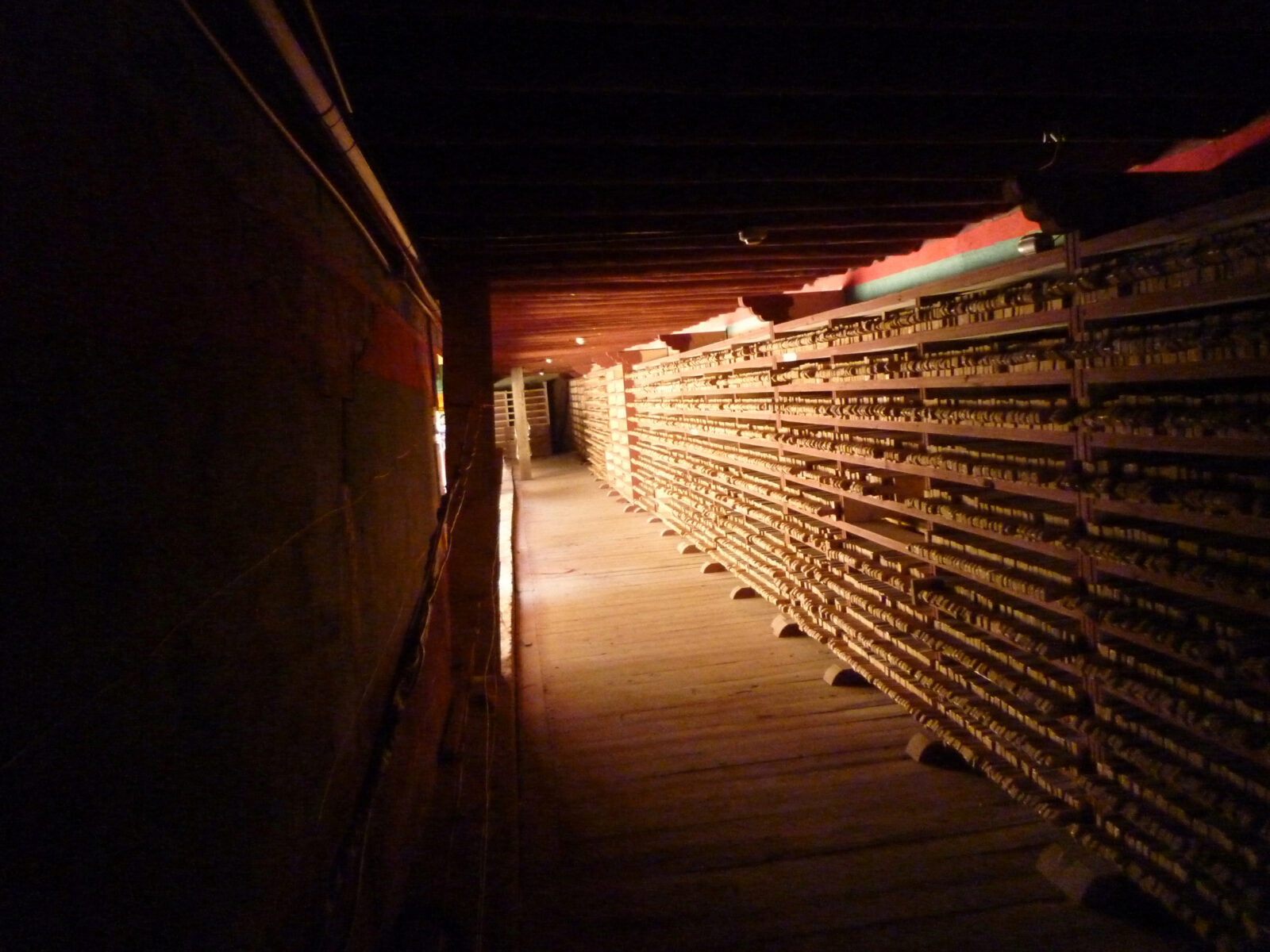
Photo Karl Debreczeny
Prints from Derge have been, and continue to be, an important conduit for spreading not only texts but also painting compositions by famous artists such as Situ Panchen (1700–1774), Purbu Tsering of Chamdo (active ca. late 19th century), and Tangla Tsewang (1902–1989). The subjects of these prints in the Rubin’s collection include the 16 arhats, the eight manifestations of Padmasambhava, the eight chariots of the practice lineages of Tibetan Buddhism, and the 15 Miracles of the Buddha.
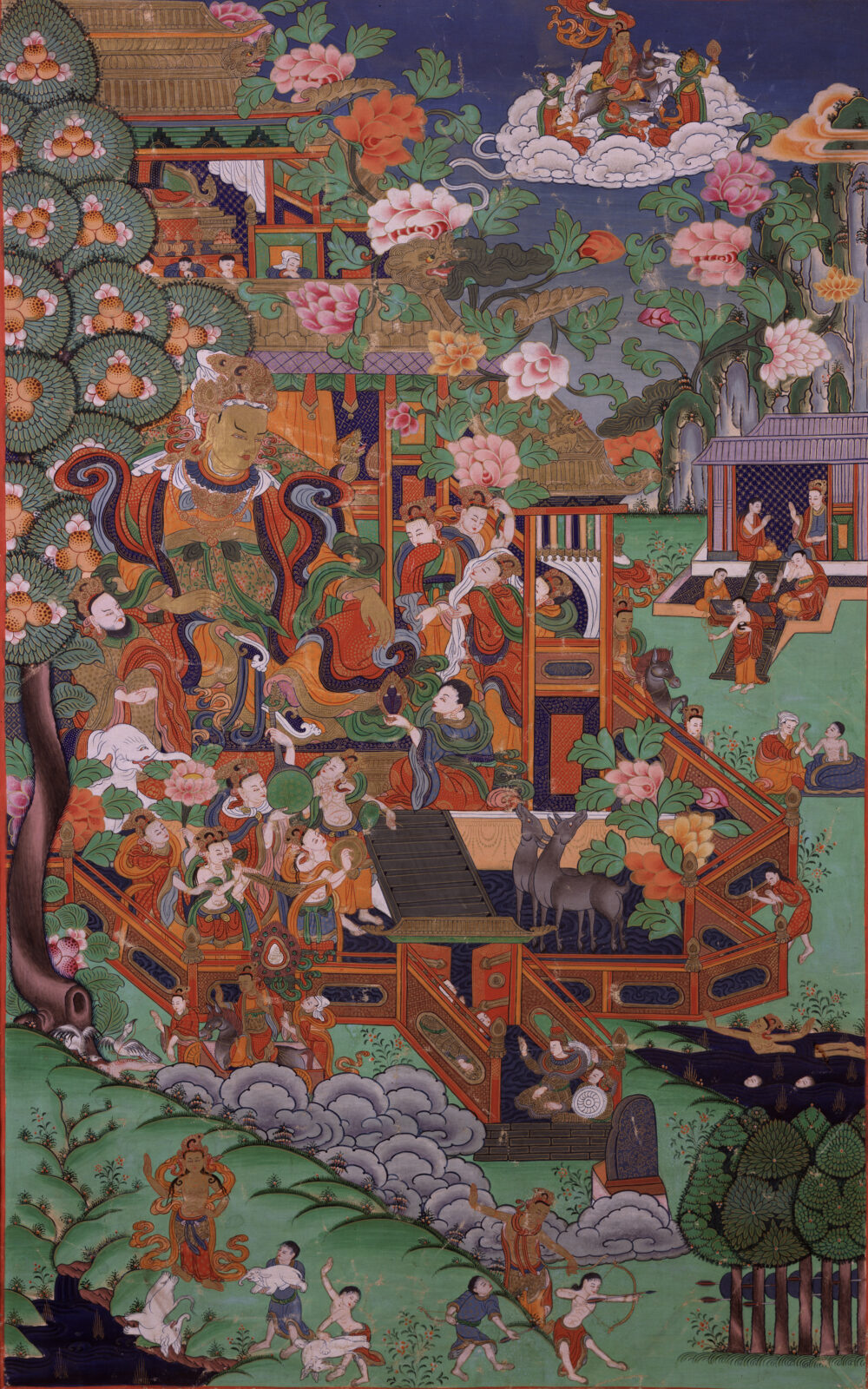
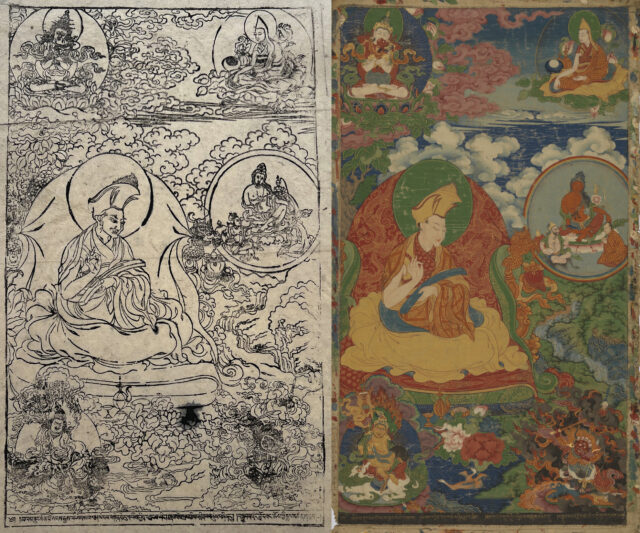
Buddha’s Youth, From a set of the Twelve Deeds of the Buddha, after a woodblock print composition attributed to Purbu Tsering of Chamdo (active ca. late 19th century); Tibet; 20th century; pigments on cloth; Rubin Museum of Himalayan Art, gift of the Shelley and Donald Rubin Foundation; F1996.1.12 (HAR 448)
The Rubin also has several paintings based on Derge Printing House printed compositions. Stories of Noble Deeds (Avadana), which is the second composition out of nine paintings from a set of the Twelve Deeds of the Buddha attributed to the artist Purbu Tsering, is based on a set of woodblock prints from the Derge Printing House. A woodblock print of this same composition from Derge (below) is also part of the Rubin’s collection.

Buddha's Youth; Derge Printing House, Derge, Kham Region, Eastern Tibet; ca. 1979; Xylograph, ink on paper; Rubin Museum of Himalayan Art, Gift of William Hinman; C2001.4.3
This video shows present-day craftspeople making woodblocks at the Derge Printing House.

Woodblock printing became an important technology of production, propagation, and cross-cultural exchange of both text and image in Tibetan, Himalayan, and Inner Asian regions from the 12th century on.
Get the latest news and stories from the Rubin, plus occasional information on how to support our work.