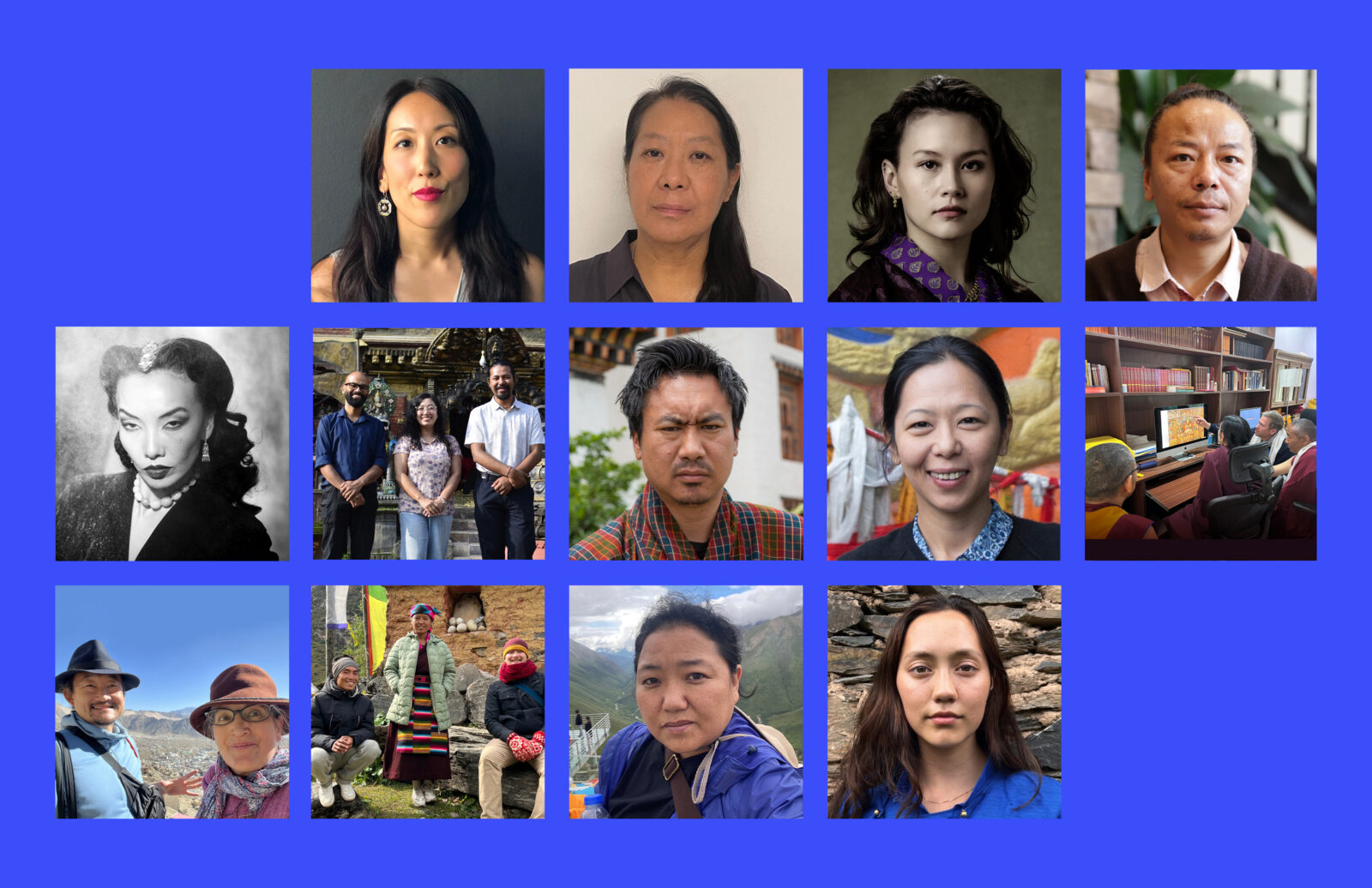
From left to right from top: Tibet Film Festival (Kunsang Kelden); Peldon Tshering; Sonam Tshedzom Tingkhye; Tenzing Rigdol; YESHE; Shamir Amir Kansar, Shital Shakya, and Birat Raj Bajracharya; Karma Yeshey; Kunsang Namgyal-Lama; Sakya Research Center (Gawa, H. E. Asanga Rinpoche, M. Fermer, and L. Dondrub); Tibet Heritage Fund (Yutaka Hirako and Pimpim de Azevedo); Tsum Oral Literature Project (Staff); Jampa Choetso; Kyiga Wilberforce
The Rubin Museum of Himalayan Art has selected 13 recipients for the 2026 Rubin Grants, an initiative launched in 2024 to support international artists, organizations, researchers, and projects aiming to promote and preserve the rich cultural legacy and living traditions of the Himalayan regions. The grants fall into two categories: Rubin x Art Projects grants, with five selected; and Rubin x Research grants, with eight selected. Each will receive funds ranging from $3,000 to $25,000 according to the project’s particular scale, impact, and needs—about $195,000 total in financial support.
The international appetite for these awards highlights the dynamism of current art making and scholarship related to the Himalayan regions—and the need for such grants. The chosen projects—which are based out of eight countries across Asia, Europe, and North America—include new performance pieces, exhibition commissions, a film festival, and documentation of regional heritage sites and traditional art-making techniques.
“This year’s grantees demonstrate the many ways artists and researchers are preserving, studying, and reimagining Himalayan art, with a particular focus on Tibetan art,” says Jorrit Britschgi, the Museum’s executive director. “By directly supporting artists and researchers, the Rubin helps sustain knowledge within communities while creating new opportunities for that knowledge to be shared, studied, and experienced around the world.”
The Rubin Grants are an important aspect of the Museum’s decentralized global model, which aims to spread access, awareness, and scholarship around art and culture of the Himalayan regions. The Rubin Museum Himalayan Art Prize—awarded to Bhutanese artist Pem Lham in 2026—is another important funding vehicle that, along with the grants, brings direct financial support for artists and projects from the Museum to around $225,000 this year.
The Rubin received 149 inquiries and 10 final submissions for the 2026 Rubin x Art grant cycle. Five grantees were chosen.

Design by Tibet Film Festival

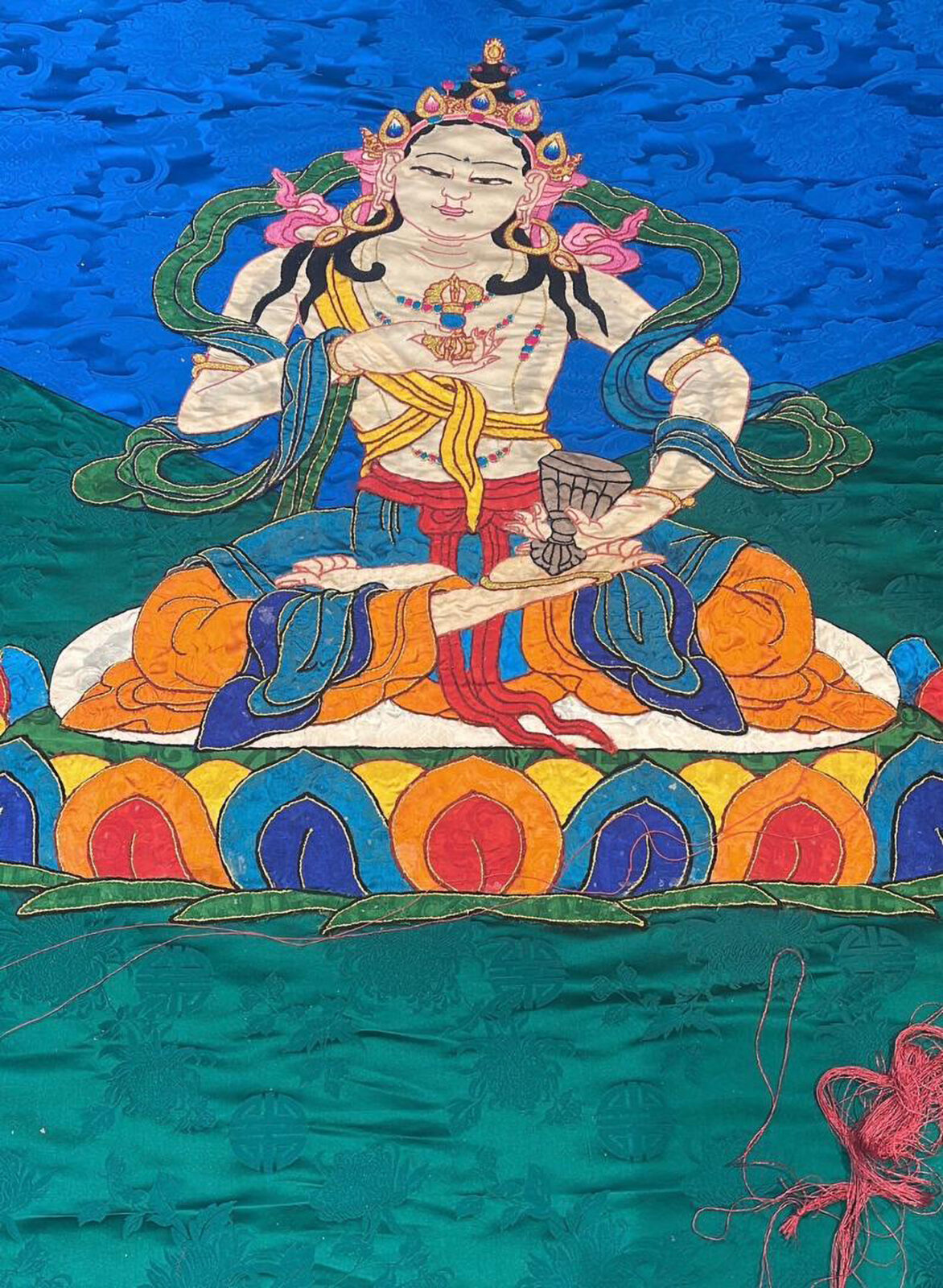
Photo by Tshewang Zangmo. Peldon Tshering (b. 1975, Thimphu, Bhutan); Vajra Sattava; Thimphu, Bhutan; 2025; appliqué and embroidery on silk brocade; 150 cm × 100 cm.

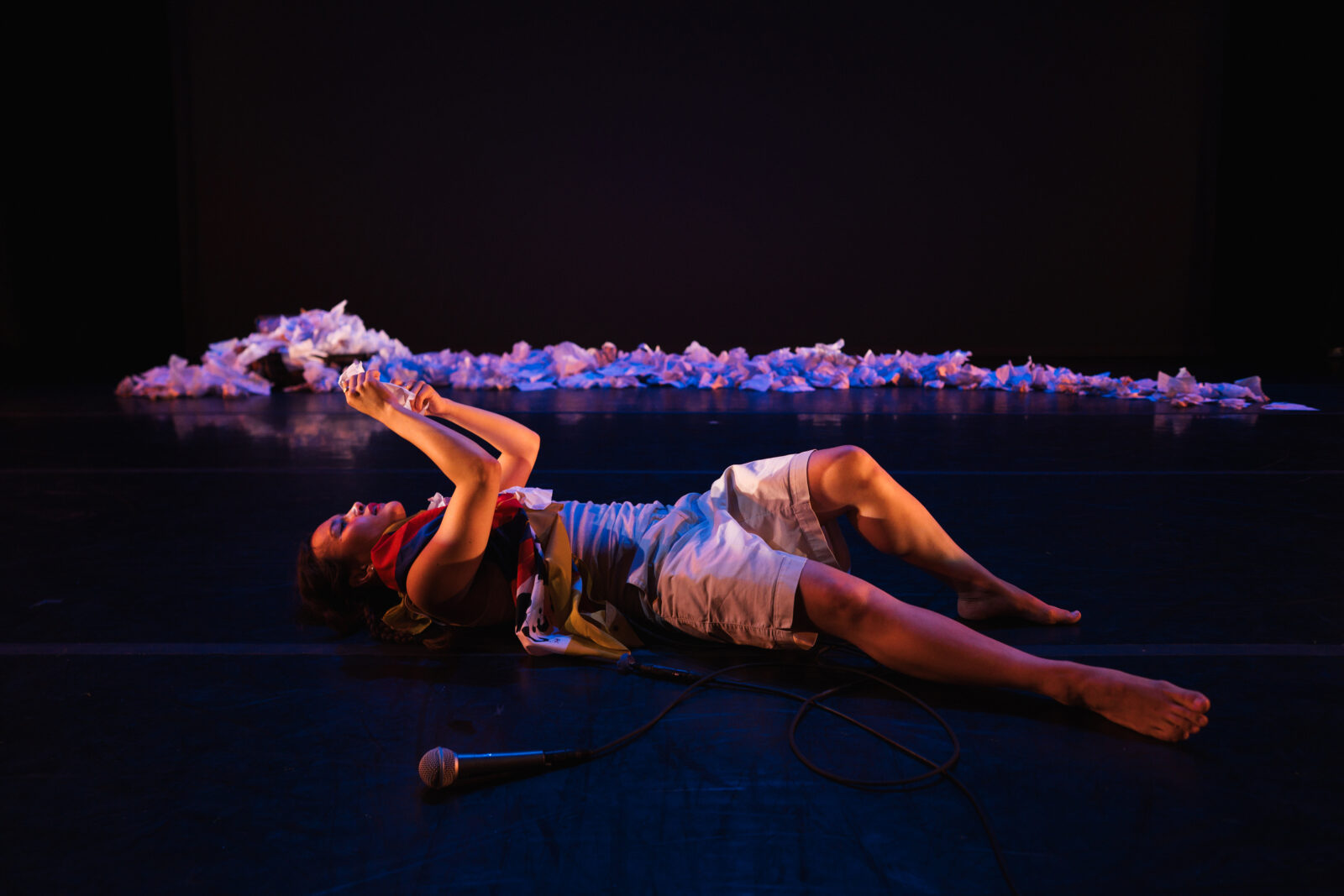
Photo by Robbie Sweeny. Sonam Tshedzom Tingkhye (b. 1997, Seattle); Returning; Seattle; 2026; live performance at FACT/SF Summer Dance Festival; San Francisco.

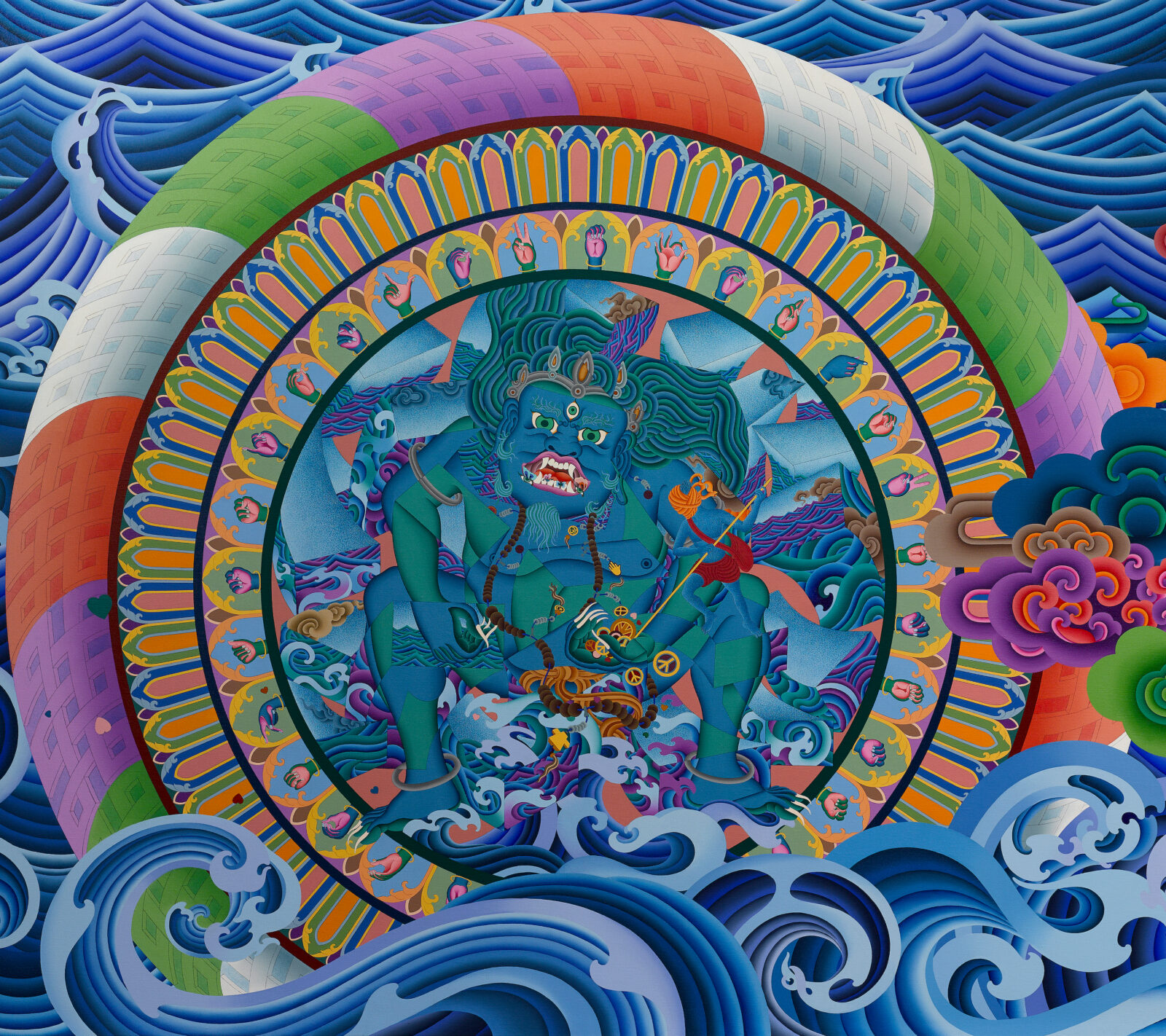
Tenzing Rigdol (b. 1982); Oneness; New York City; 2024; acrylic on canvas, detail; © Tenzing Rigdol.

© YESHE
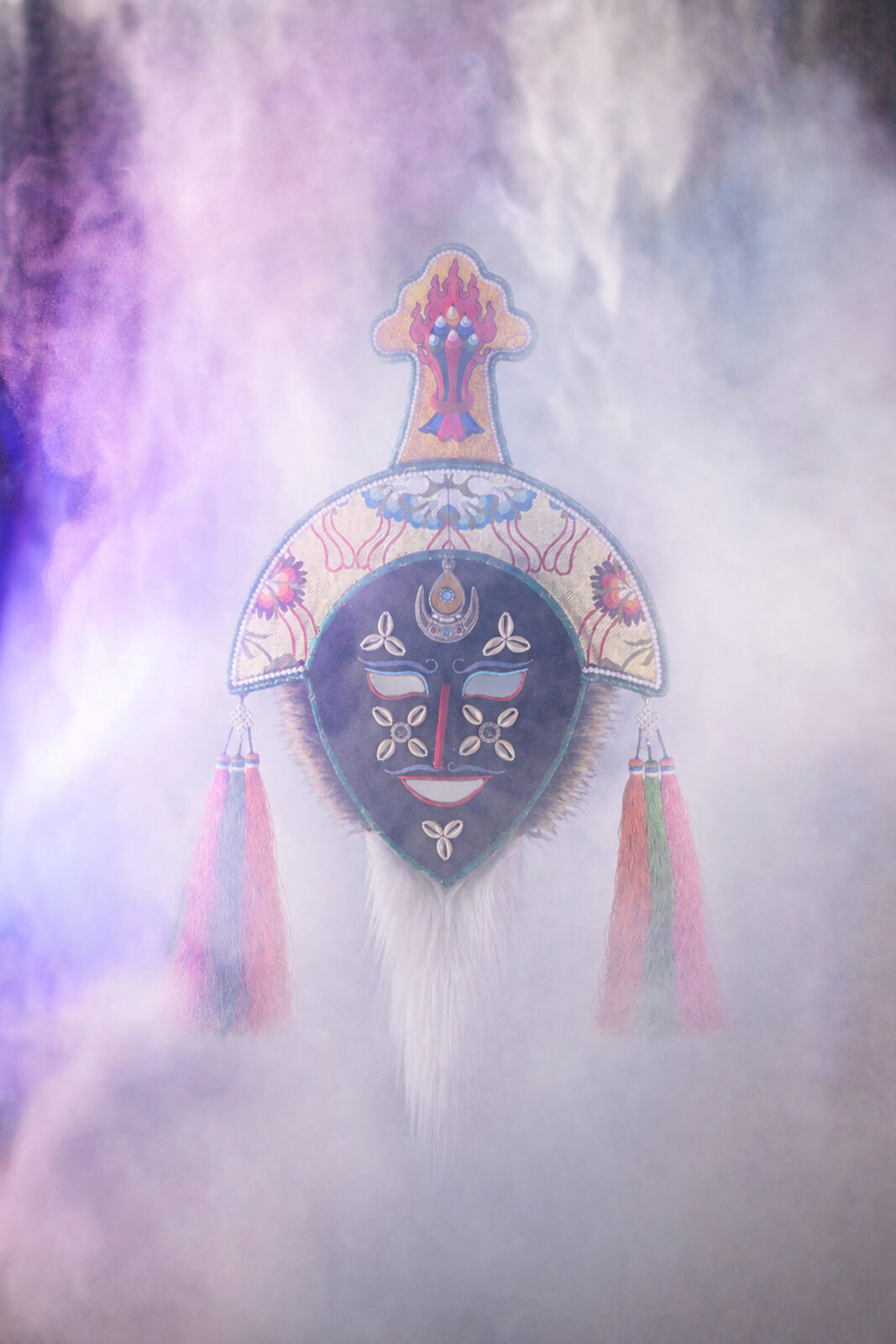
The Tibet Film Festival has preserved and promoted Tibetan storytelling through film for over a decade. Through this project, the organization launches its first festival based in the United States and establishes a permanent bridge to New York City and Washington, DC. The festival screens Tibetan documentaries, features, and shorts alongside moderated Q&A sessions led by directors, producers, and scholars. This curated program aims to challenge existing narratives from the periphery and shift them to the center of global cinematic discourse.
Grant amount: $25,000
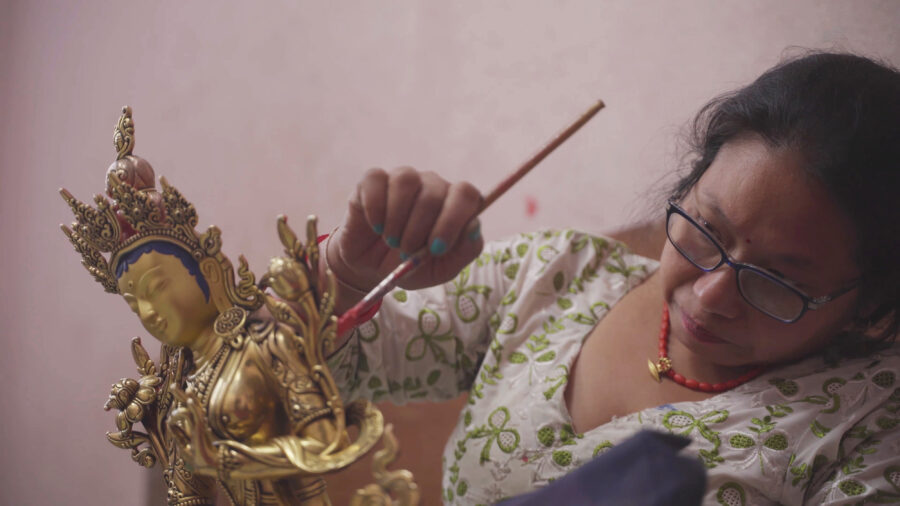
Peldon Tshering plans to document her creation of an appliqué thangka of Avalokitesvara under master artist Lopen Wangchuk, one of Bhutan’s last living practitioners of this vanishing textile tradition. Not only will each step be recorded through photograph or film, but the reasoning behind each choice will also be documented. The project aims to produce the first publicly accessible instructional manual and digital archive of Bhutanese appliqué thangka-making, safeguarding these endangered techniques while opening a craft traditionally closed to women to a new generation of female artists.
Grant amount: $10,000
Through Performance: Tibetan Identity, Sonam Tshedzom Tingkhye blends durational installation with live performance, transforming the stage into an immersive space where audiences wander freely before witnessing Tingkhye’s performance unfolding through movement and voice. Premiering in Seattle, the work seeks to untangle the adaptive nature of the Tibetan identity and searches for methods of preservation, fantasizing the recovery and healing of homeland.
Grant amount: $9,500
This project supports Tenzing Rigdol in creating new works for Brigham Young University Museum of Art’s exhibition, Thus Have I Heard: Tenzing Rigdol, opening in 2029. Rigdol’s new paintings, sculptures, carved altars, and woven carpets rooted in Tibetan Buddhist art-making traditions unite sacred stories from Buddhism, Hinduism, Islam, Sikhism, Christianity, and Mormonism, encouraging visitors to examine their own values and practices to foster a deeper sense of empathy, understanding, and tolerance. The project invites BYU art students to train alongside Rigdol and extends interfaith dialogue through lectures, tours, and a scholarly catalog.
Grant amount: $25,000
YESHE’s debut album, Dust (2025), draws on the life of her grandmother, who was imprisoned in Tibet for 10 years, while also reflecting broader histories of Tibetan displacement, silence, resistance, exile, and survival across generations. Inspired in part by Tibetan opera (dö gar)—a fusion of storytelling, music, movement, and ceremony—this project seeks to transform Dust into a live, site-responsive performance work. YESHE seeks to create intimacy with the audience through participation in an atmosphere shaped by voice, repetition, spatial tension, and emotional proximity.
Grant amount: $20,000
The Rubin received 71 letters of inquiry and 11 final submissions for the 2026 Rubin x Research grants cycle. Eight grantees were chosen.

Saptamuni Bajracharya (b. 1973, Lalitpur); Vasundhara Mandala; Lalitpur; 2015; Poster on Canvas; 76 × 60 cm. Photo by Shamir Amir Kansakar.

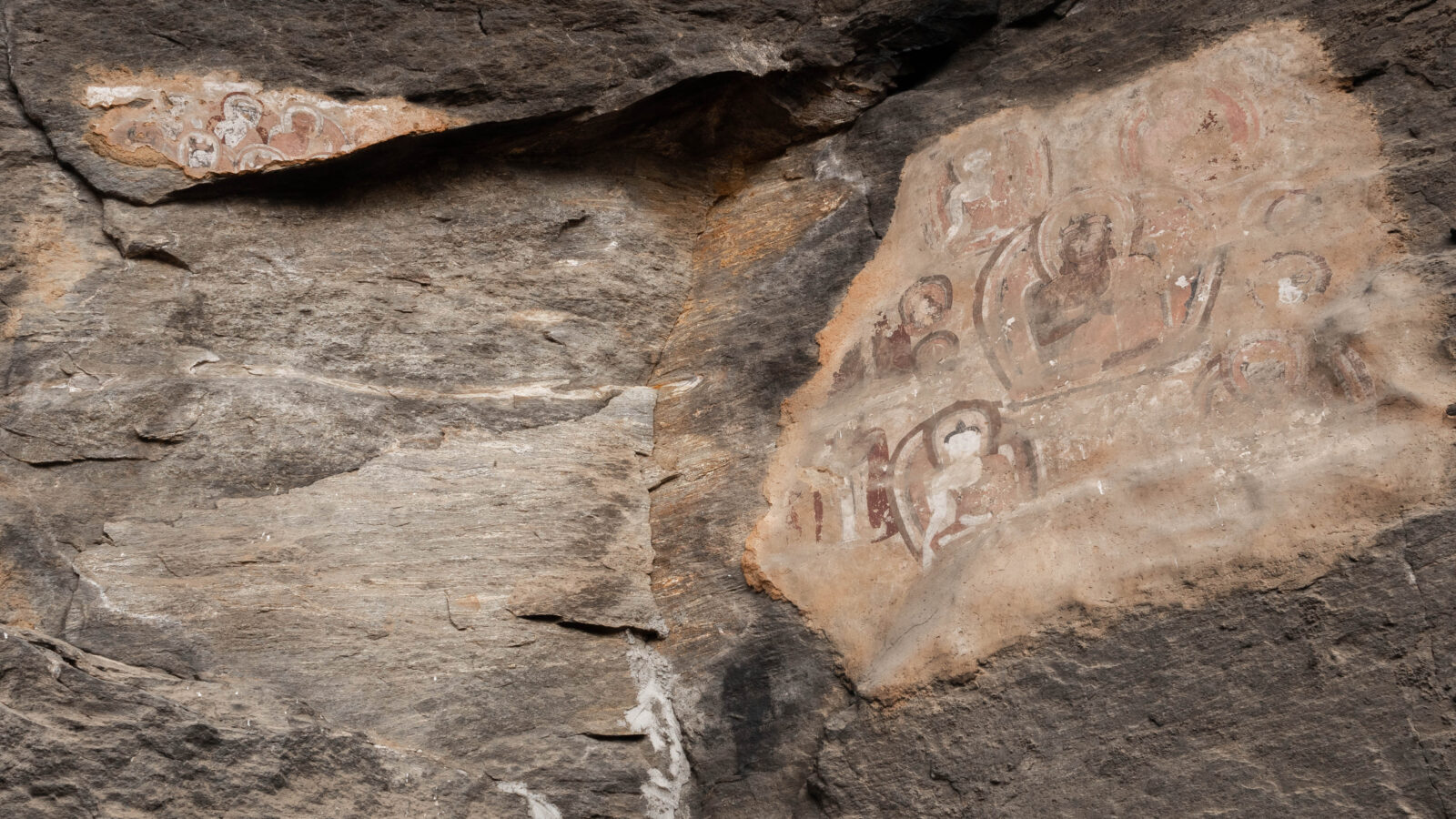
Fragments of early wall paintings at Taktsang Monastery, situated on a cliff above the temple complex, Taktsang, Bhutan
© 2026 Karma Yeshey

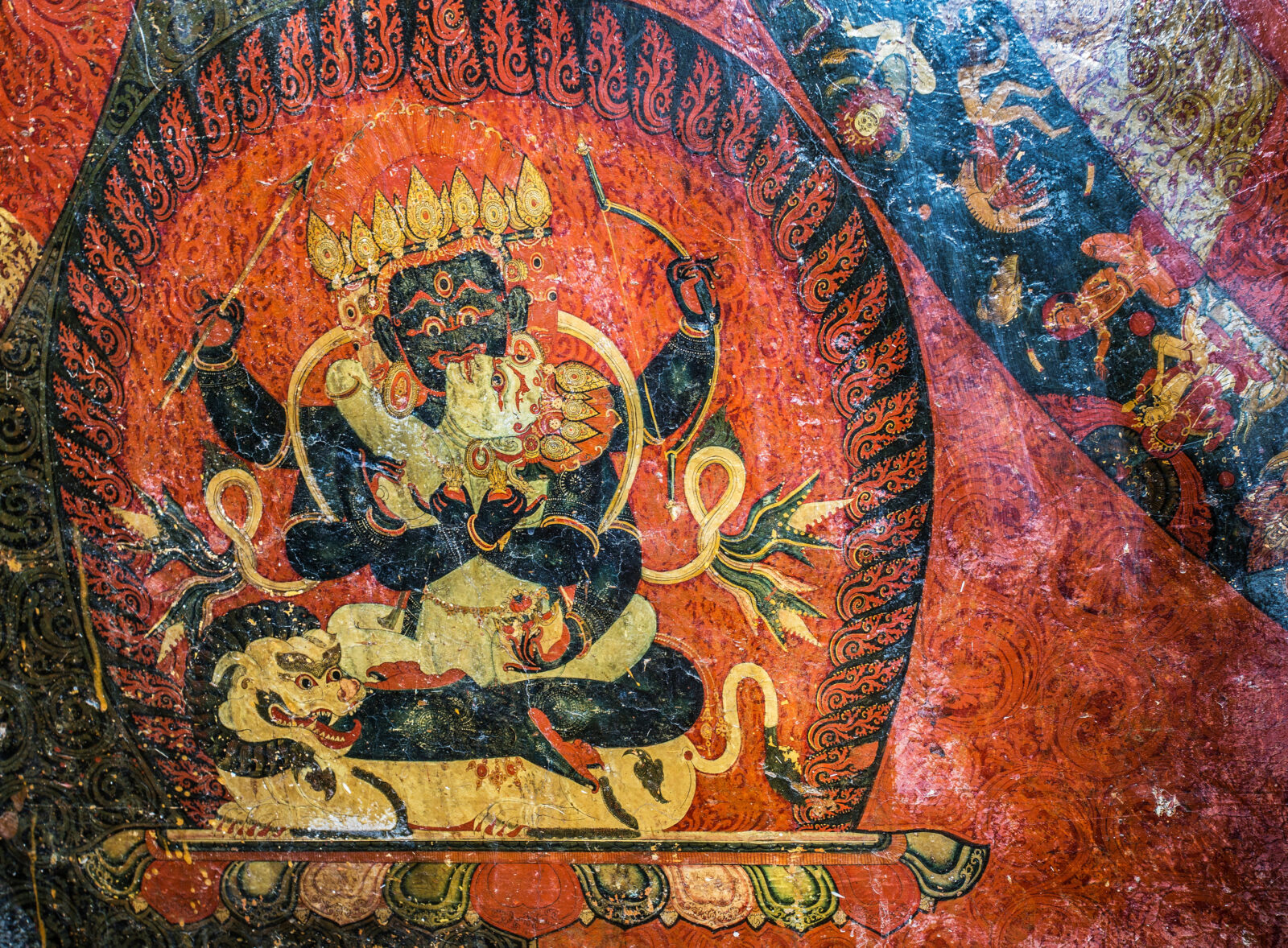
Yogambara and Jnanadakini, Samphel Rinpoche Ling, late 14th–early 15th c., Gyantse, Central Tibet. Photo by Rémi Chaix.

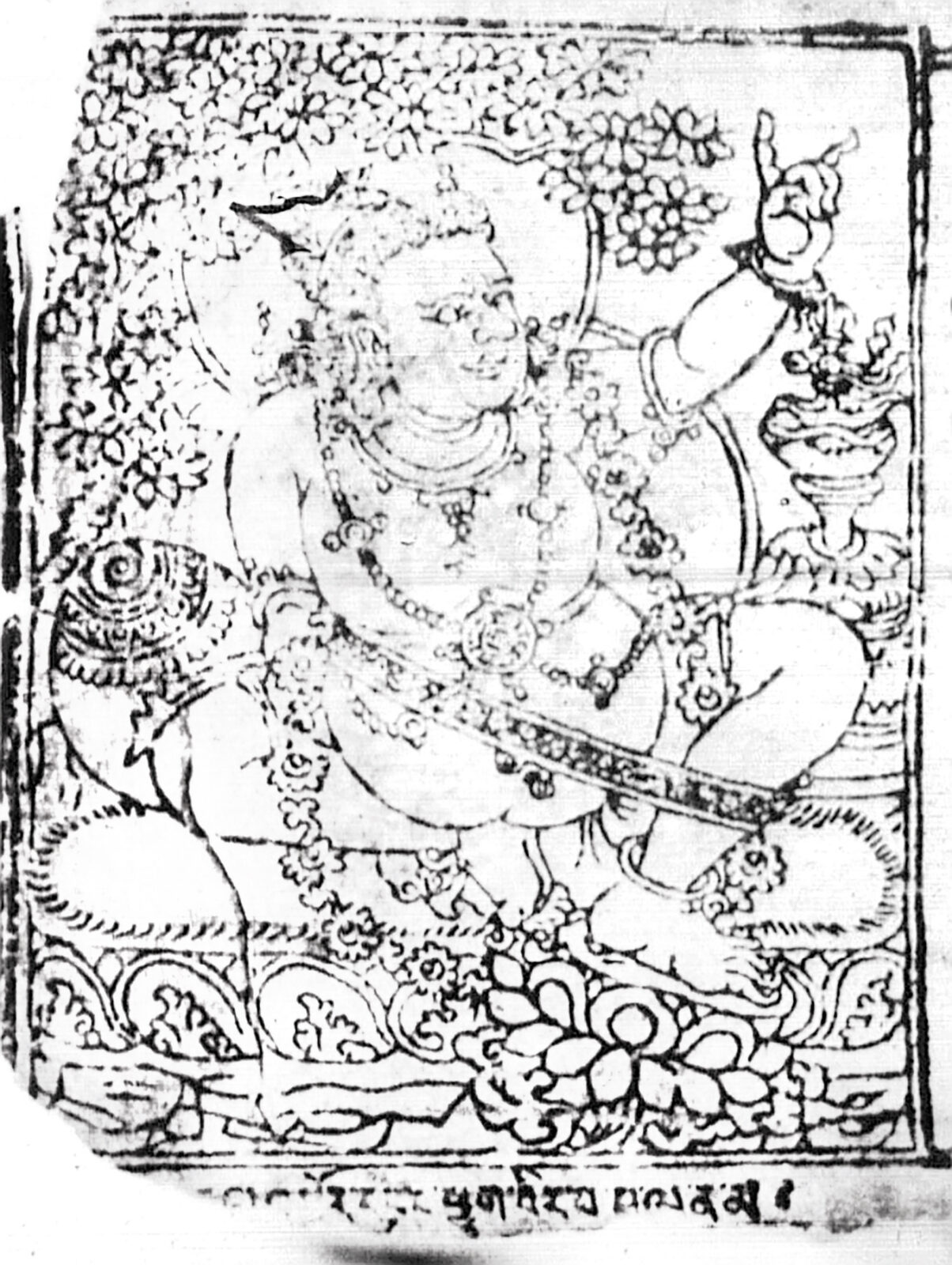
Khyentse Chenmo Genyen Namgyal (15th cent., Gongkar); Tibetan blockprint illumination portraying the yogin Virūpa, carved at Gongkar Palace in 1453; Gongkar print of Drakpa Gyaltsen’s (1147–1216) Tree of Realization, f. 1b, left end; ca. 5.5 × 7.5 cm. Nepal-German Manuscript Preservation Project (NGMPP), reel no. L 859/4.

© Tibet Heritage Fund

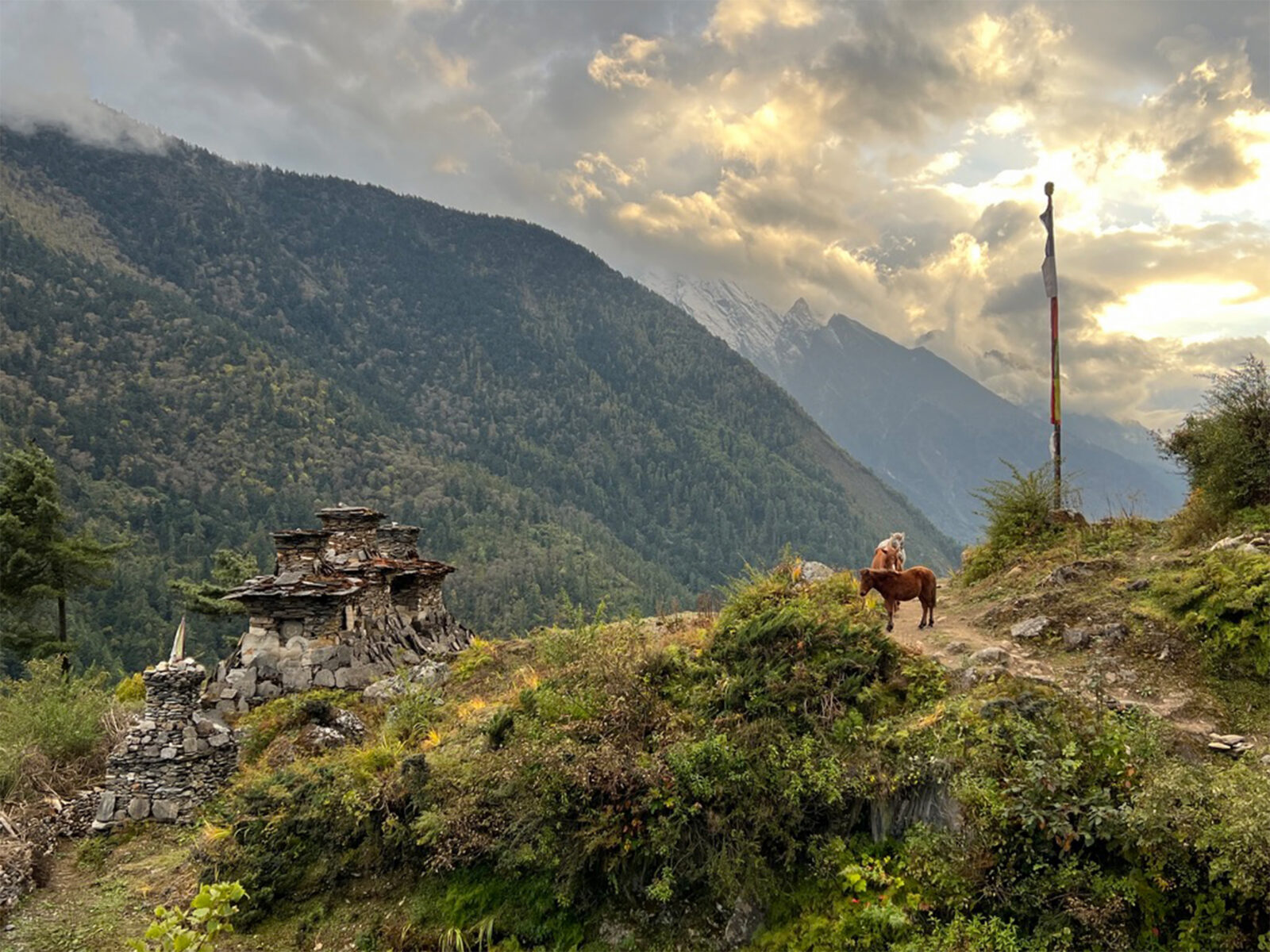
Photo by Hawxhurst D. A. McNabb © Tsum Oral Literature Project. Hawxhurst D. A. McNabb (b. 1996, VT); Mani Wall Project; Tsum Valley; 2023

Photo by Jampa Choetso; County Town Museum in Kham, 2022.

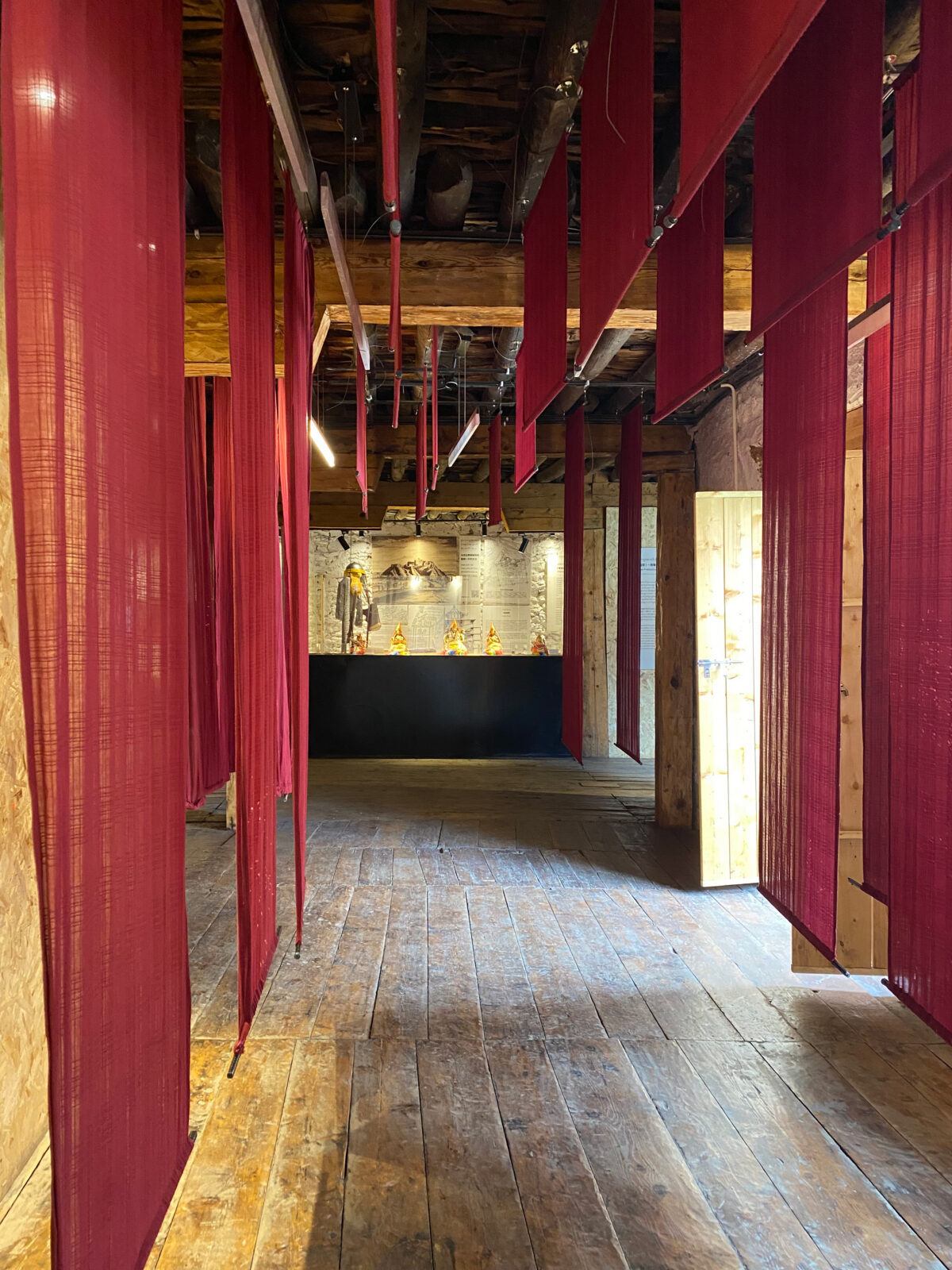
Photo by Roland Lim © Roland Lim Studio
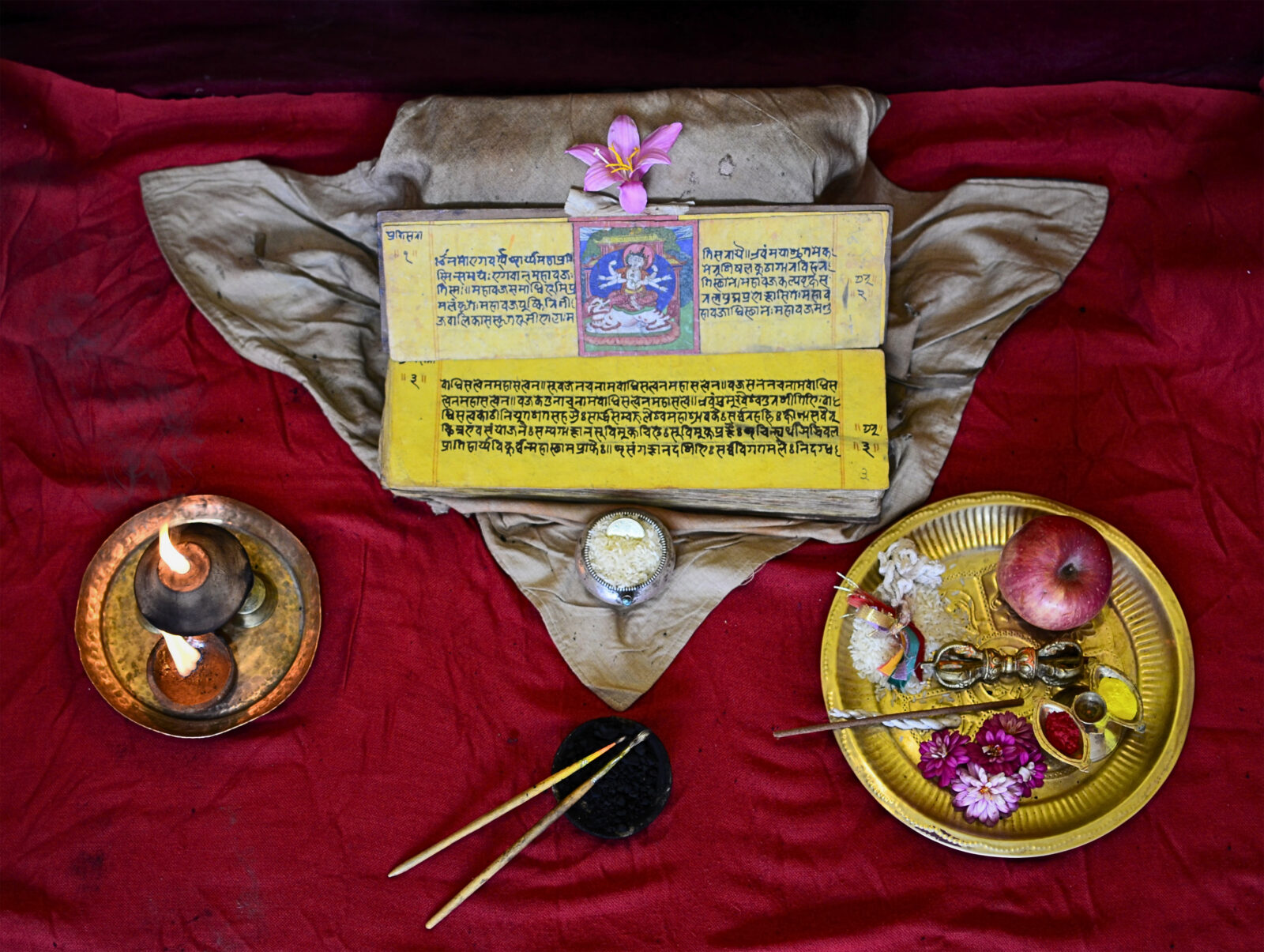
Birat Raj Bajracharya documents the tradition of Newar manuscript creation in the Kathmandu Valley, working with practicing spiritual teachers in Patan, Kathmandu, and Bhaktapur. Drawing on canonical ritual texts and direct observation, the project produces the first comprehensive audiovisual record of manuscript creation as an integrated ritual-artistic practice. The research also yields a bilingual film series, an instructional manual, a scholarly article, and a community exhibition in Patan, safeguarding embodied knowledge threatened by broken apprenticeship lines and modeling a community-engaged approach to intangible heritage documentation.
Grant amount: $19,750
Karma Yeshey leads a multidisciplinary team documenting and investigating some of the oldest extant wall paintings in Bhutan, the cliff-face wall paintings above Taktsang Monastery (Tiger’s Nest). By providing the first integrated art historical and scientific study of these paintings, the project aims to inform future conservation efforts and contribute to broader discussions of artistic transmission, pilgrimage landscapes, and Buddhist visual culture across the Himalayan regions. It will result in publicly accessible documentation including 2D and 3D photography and educational lectures at venues in Bhutan, Denmark, and the United Kingdom.
Grant amount: $22,500
Kunsang Namgyal-Lama documents and examines the 14th-century murals of Samphel Rinpoche Ling, a temple in central Tibet. She plans to identify the painted figures, record surviving inscriptions, and analyze the distinct Newar and Chinese stylistic traditions visible across the murals. Through this research, Namgyal-Lama endeavors to produce a manuscript that will shed light on the circulation of artists, artistic models, and visual traditions between Tibet, Nepal, and China at the turn of the 15th century.
Grant amount: $10,430
The Sakya Research Centre documents an overlooked genre of Himalayan art: miniature illuminations of primarily Buddhist deities and saintly teachers found in non-canonical literature. The team aims to create a representative archive accessible to researchers and practitioners through a searchable, open-access web application. This corpus of cataloged book illuminations aims to provide insight into how individual teachers are depicted iconographically and serve as a useful identification tool for these teachers.
Grant amount: $19,500
Tibet Heritage Fund conducts an architectural and cultural survey of the historic old town of Leh in Ladakh, India. The project documents vernacular, religious, and monumental buildings alongside endangered artistic elements, such as wall paintings, wood and stone carvings, and clay features, which are disappearing amid rapid urbanization. This research aims to expand knowledge of Himalayan art and architecture by examining architecture not only as a form of cultural expression but also as the integration of diverse artistic practices within built environments.
Grant amount: $15,000
The Tsum Oral Literature Project aims to gather oral and visual records of the mani walls of Nepal’s remote Tsum Valley. These mani walls are threatened by increased tourism, a changing climate, and a paucity of living masters. The team plans to geolocate, photograph, and create 3D models of mani walls and stupas while recording oral histories on their construction, materials, and symbolism. The project intends to share this documentation with monasteries and community members to guide future restoration, train local preservationists, and revive interest in this vanishing stone-carving tradition.
Grant amount: $12,000
Jampa Choetso is a PhD graduate in cultural studies from the Academy of Language and Culture at Hong Kong Baptist University and a native of Kham, Tibet. Her research examines how grassroots, or non-governmental, museums across the Tibetan Plateau shape contemporary Tibetan identity and artistic expression.
Grant amount: $3,000
Kyiga Wilberforce is a Tibetan-British architectural researcher working at the intersection of Tibetan Buddhist art history, sacred architecture, and ecofeminist and indigenous positionality in heritage scholarship.
Grant amount: $3,000
Photo by Kunsang Kelden | Photo by Peldon Tshering | Photo by Michelle Smith-Lewis | Photo by Kalsang Ringchen, courtesy of Tenzing Rigdol | Photo © YESHE | Photo by Anahi Tisseghem | Photo by Karma Yeshey, © 2026 Karma Yehsey | Photo by Rémi Chaix | Photo courtesy of Gongkar Choede Monastery, Dehradun | Photo © Tibet Heritage Fund | Photo by Charity Reynolds Appell © Tsum Oral Literature Project. Charity Reynolds Appell (b. 1965, ME); Tsum TOLP staff; Tsum Valley; 2023 | Photo by Jampa Choetso | Photo by Roland Lim, © Roland Lim Studio

Get the latest news and stories from the Rubin, plus occasional information on how to support our work.