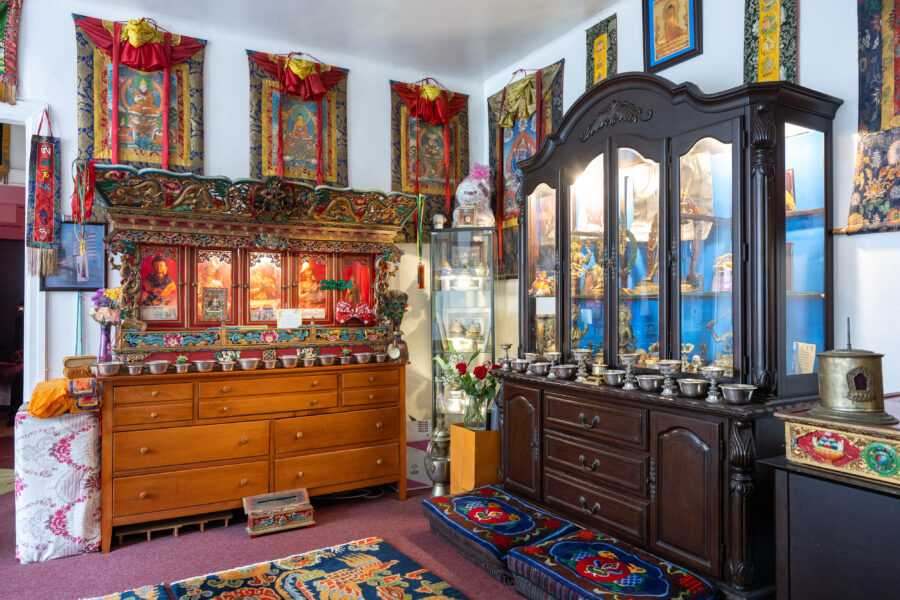
As one of the four schools of Tibetan Buddhism, “the virtuous tradition” has its own histories, teachers, and ritual practices
The Geluk tradition is one of four major schools of Tibetan Buddhism, alongside the Nyingma, Sakya, and Kagyu traditions. Geluk means “the virtuous tradition,” and it is one of the largest and most influential of the schools. Although each school possesses its own histories, teachers, and ritual practices, they all share common roots in the teachings brought to Tibet from India and are united by a commitment to the Buddhist path of wisdom and compassion.
The Geluk tradition was founded by the Tibetan Buddhist monk and scholar, Tsongkhapa (1357–1419), in the late 14th and early 15th centuries. It emerged during a period of religious renewal, when many Tibetan Buddhists were looking for ways to strengthen monastic life and bring greater clarity and consistency to Buddhist teachings and practice.
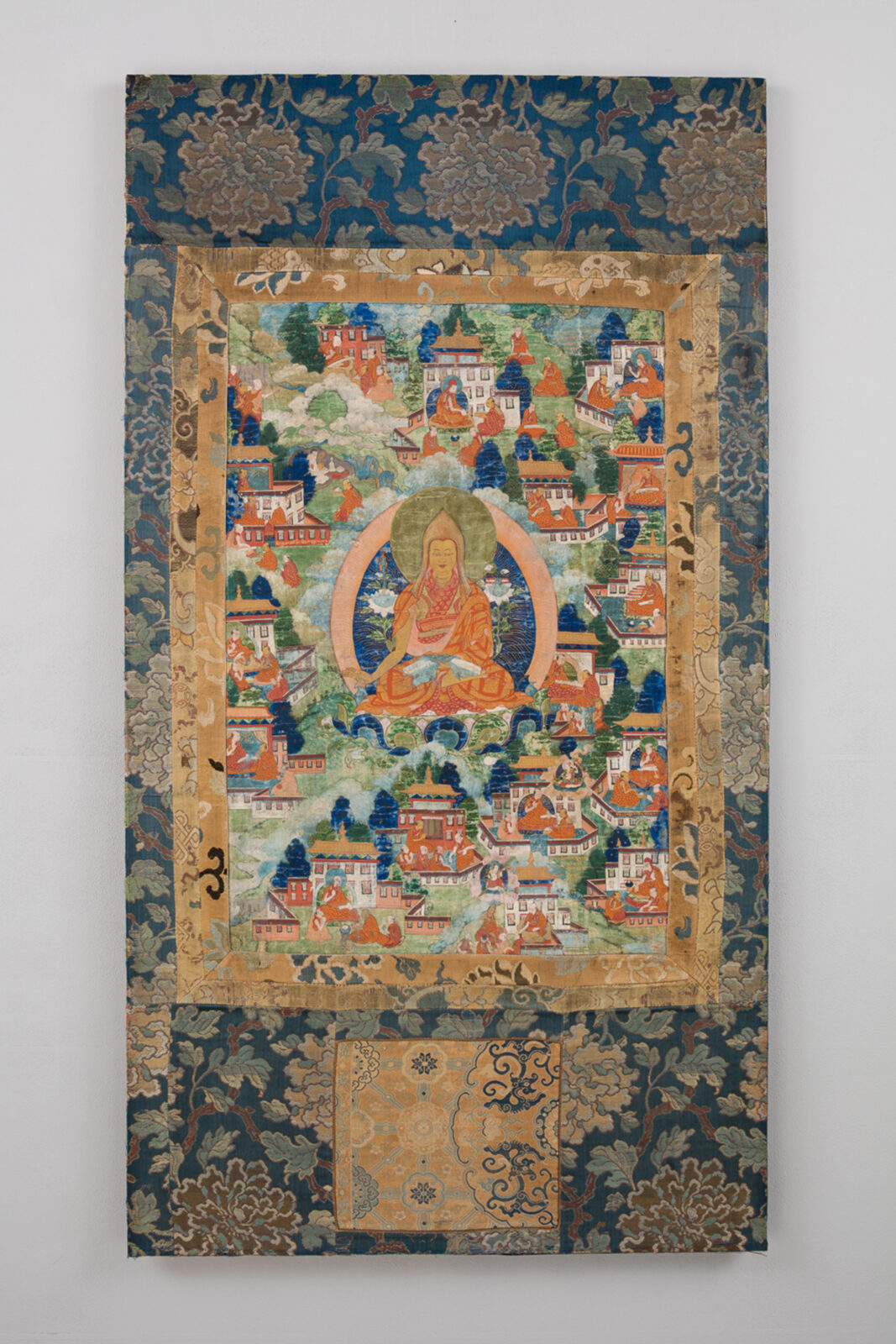
Tsongkhapa emphasized the importance of monastic discipline, rigorous academic study, and meditation grounded in the teachings of earlier Indian masters. Among the figures he especially revered was Atisha (982–1054), a renowned Indian Buddhist monk who profoundly shaped Tibetan Buddhism when he traveled to Tibet to spread his teachings on gradual spiritual cultivation.
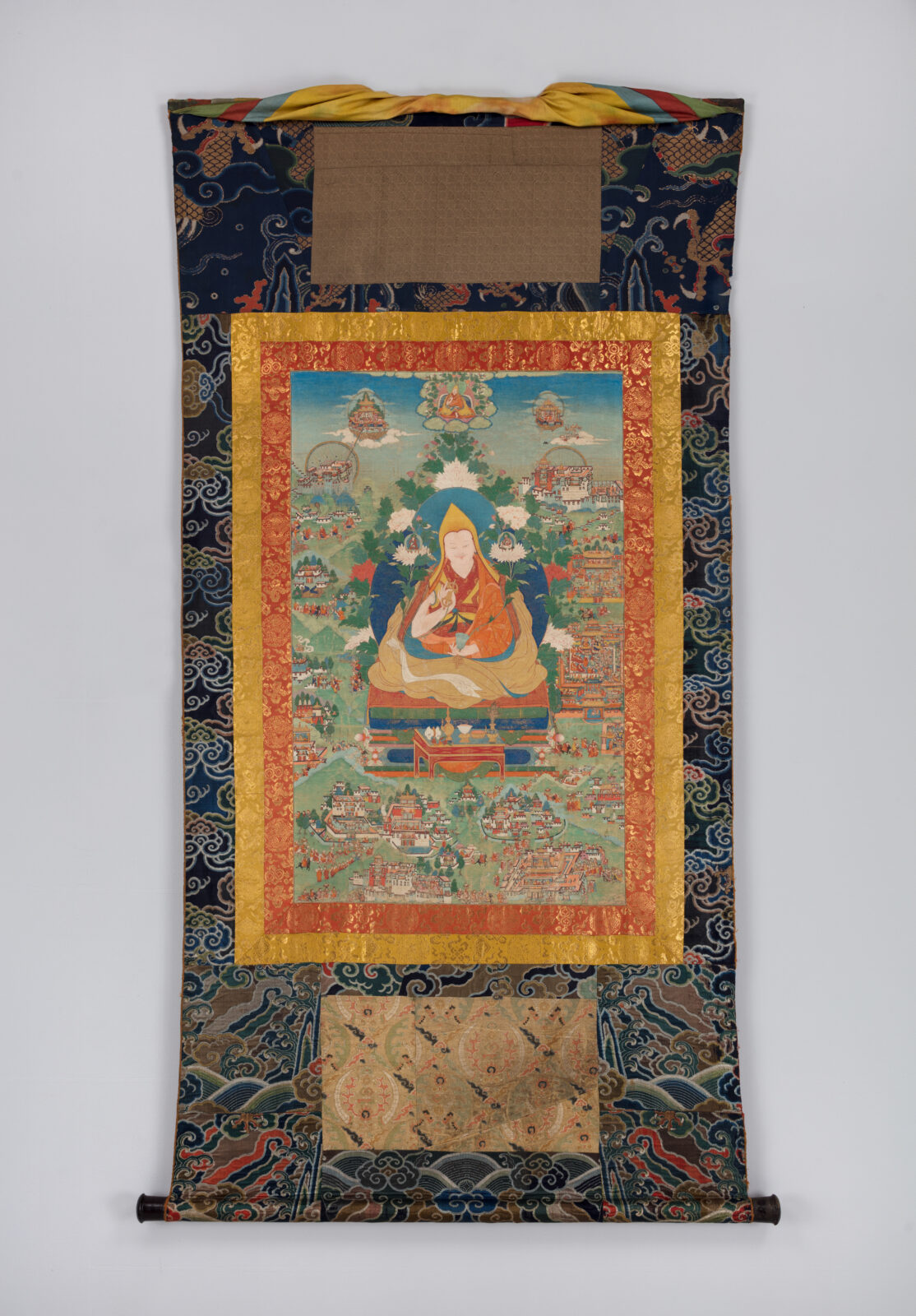
Perhaps the most widely recognized figures associated with the Geluk school are the successive incarnations of Dalai Lamas. Beginning in the 17th century, the Geluk institution of the Dalai Lama became closely intertwined with the political history of Tibet itself. The current Dalai Lama, revered by Buddhists around the world today, is the fourteenth incarnation in a lineage extending back centuries.
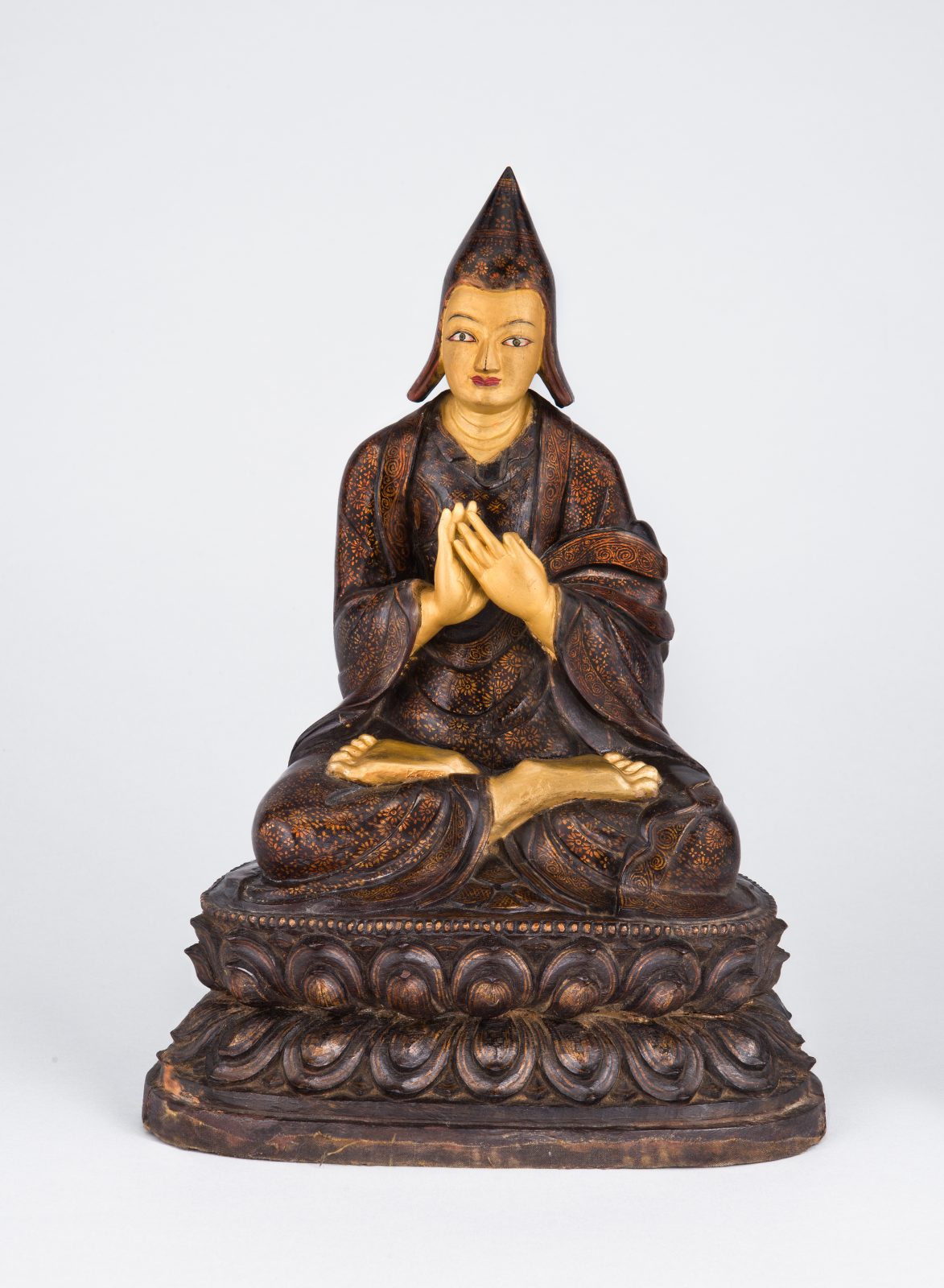
In many Geluk temples and shrines, images of Atisha and Tsongkhapa appear side by side, visually expressing a lineage that stretches from India to Tibet, from the 11th century to the present day. Portraits of the Dalai Lamas also commonly appear in such spaces, serving as reminders of the Geluk school’s unique history and its prominent role in the transmission of Buddhist knowledge across generations.
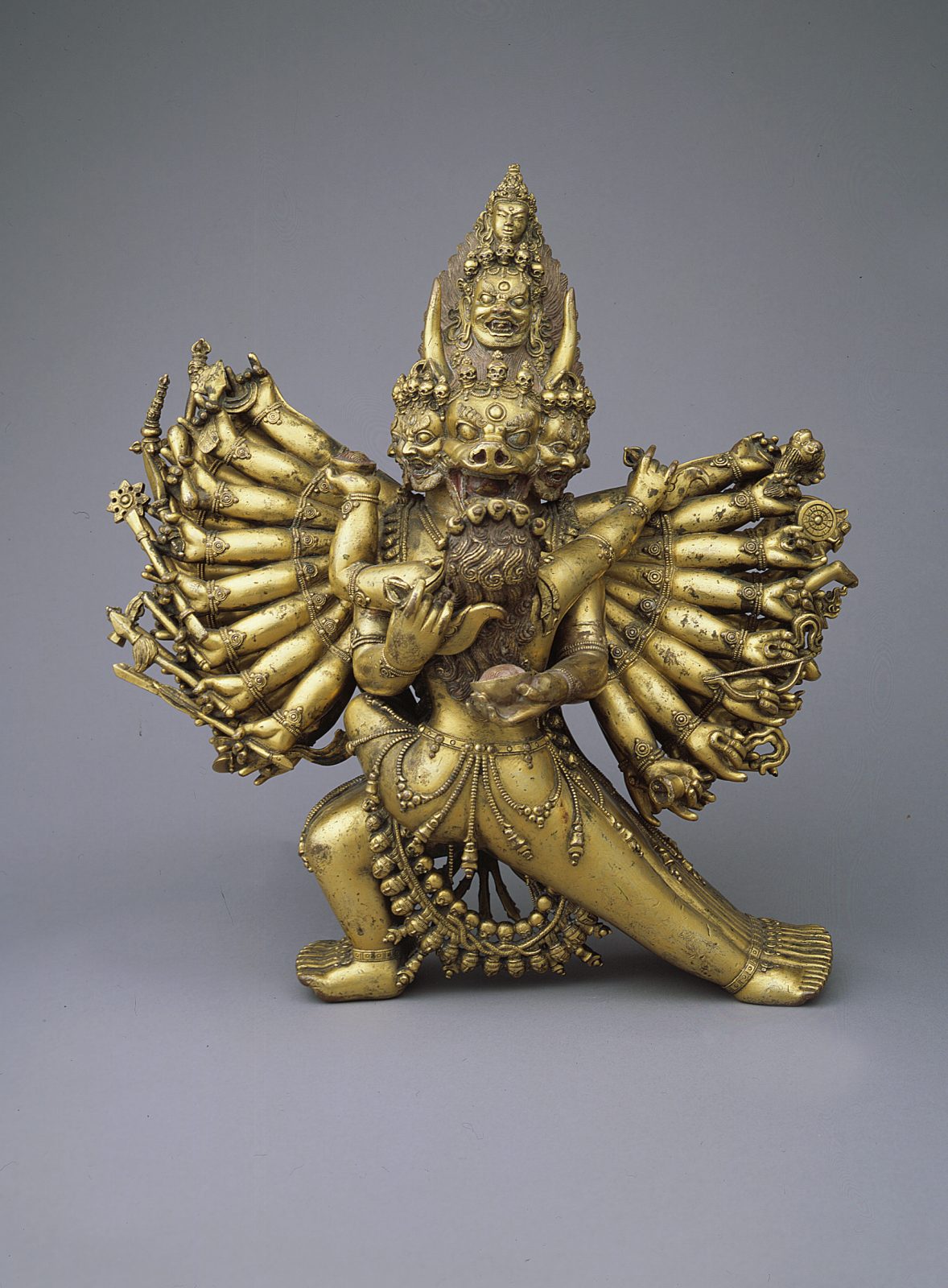
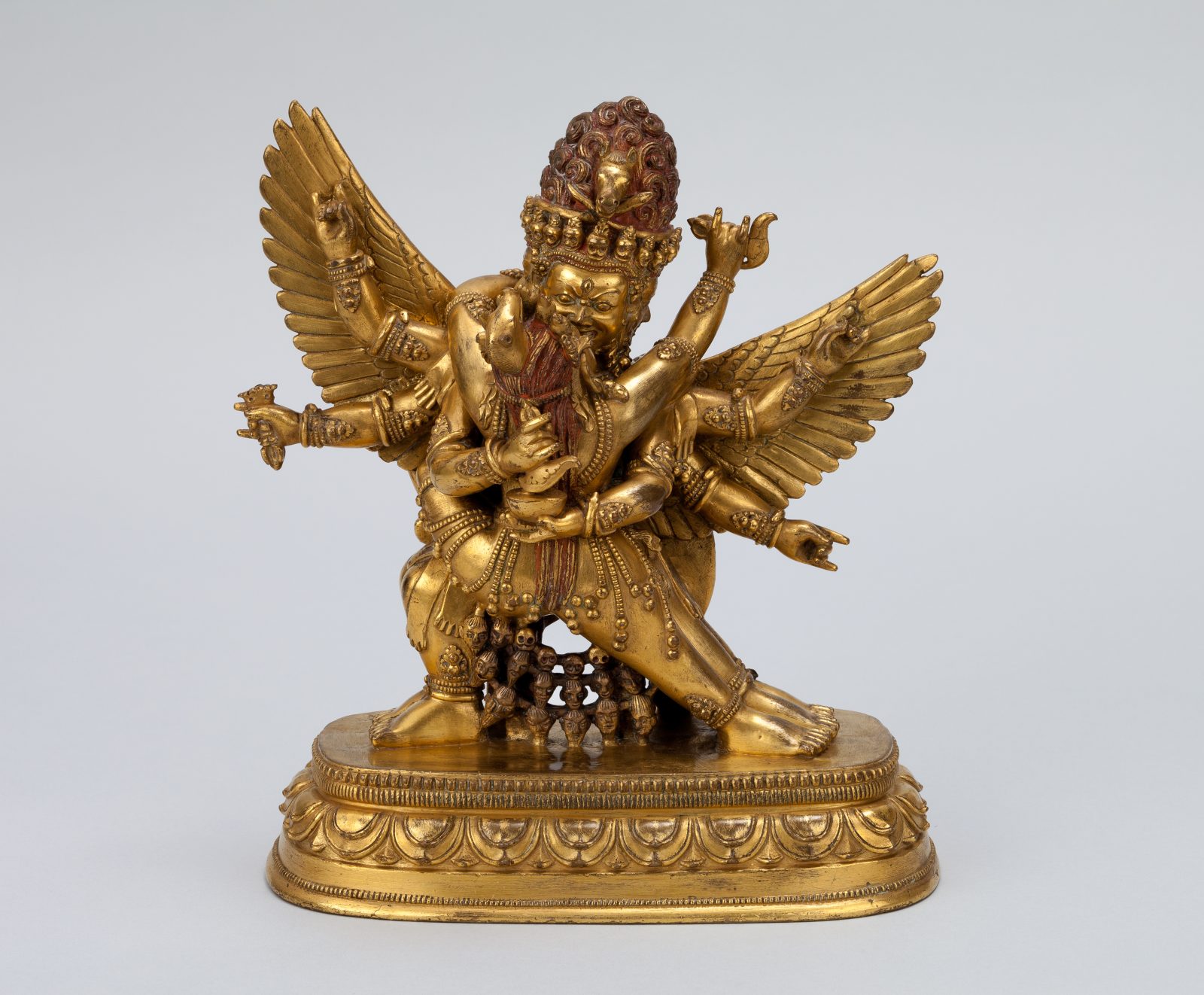
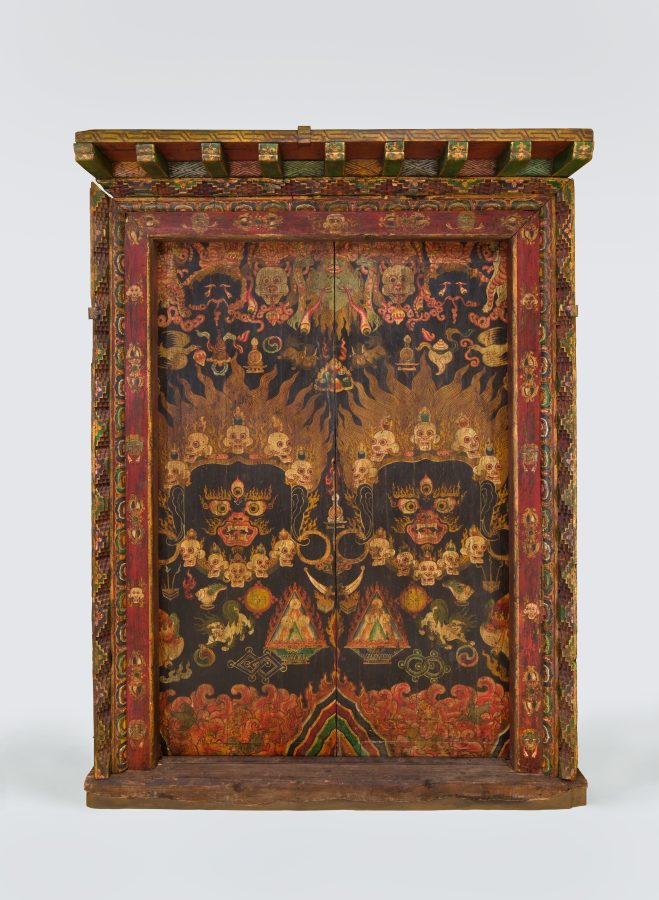
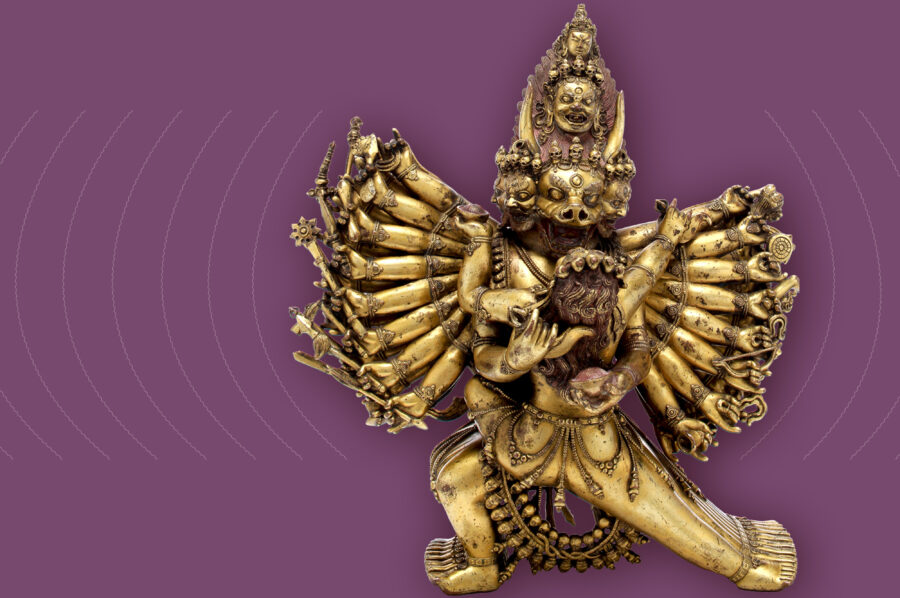
Like other Tibetan Buddhist traditions, the Geluk school encompasses a rich world of tantric practices and meditation deities. Among the most important are Vajrabhairava and Hayagriva, fierce forms whose frightening appearances contradict their compassionate purpose. Wrathful deities in Tibetan Buddhism are not expressions of anger or violence but symbolic representations of fierce compassion and enlightened energy directed against ignorance, fear, and the causes of suffering.
Vajrabhairava—whose buffalo-headed form overcomes death itself—holds a particularly prominent place within the Geluk tradition. One of the school’s principal tantric practices is related to this deity and closely associated with the cultivation of wisdom.
Hayagriva, the “Horse-Necked One,” is another powerful protector whose horse’s neigh is said to reverberate throughout the cosmos, echoing with the sound of Buddhist teachings that awaken beings from ignorance.
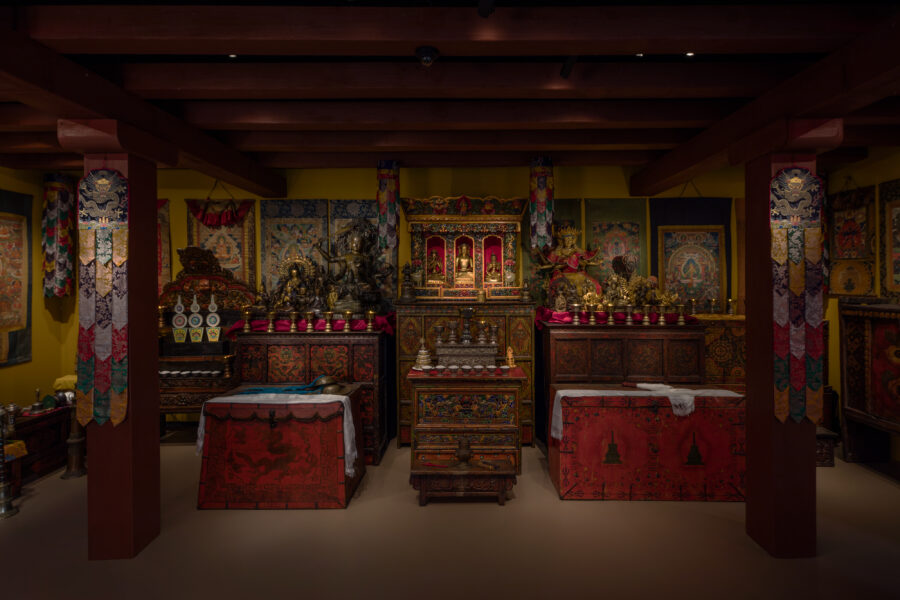
What makes a Geluk shrine room, a sacred space for devotional activities, distinctive? One answer lies in its emphasis on lineage. Images of Tsongkhapa, Atisha, and the Dalai Lamas underscore the importance of learned teachers and the continuity of tradition. Images of these and other Geluk lineage figures are often identifiable by their distinctive yellow hats. Another common feature of Geluk shrines is the prominence of Geluk-associated deities like Vajrabhairava, Hayagriva, and other tantric deities that reflect the school’s ritual and meditative priorities.
These features also exist within a broader shared Tibetan Buddhist world, as Geluk monasteries employ many of the same offerings, artistic conventions, and devotional practices found among the Nyingma, Sakya, and Kagyu schools. All Tibetan Buddhists have used art to create sacred spaces that connect the present to the past, teachers to students, and human experience to the possibility of awakening. Through sculptures, paintings, and ritual objects, the Geluk tradition tells a story that is both distinctly Tibetan and deeply universal: a story of learning, compassion, and the ongoing search for wisdom.