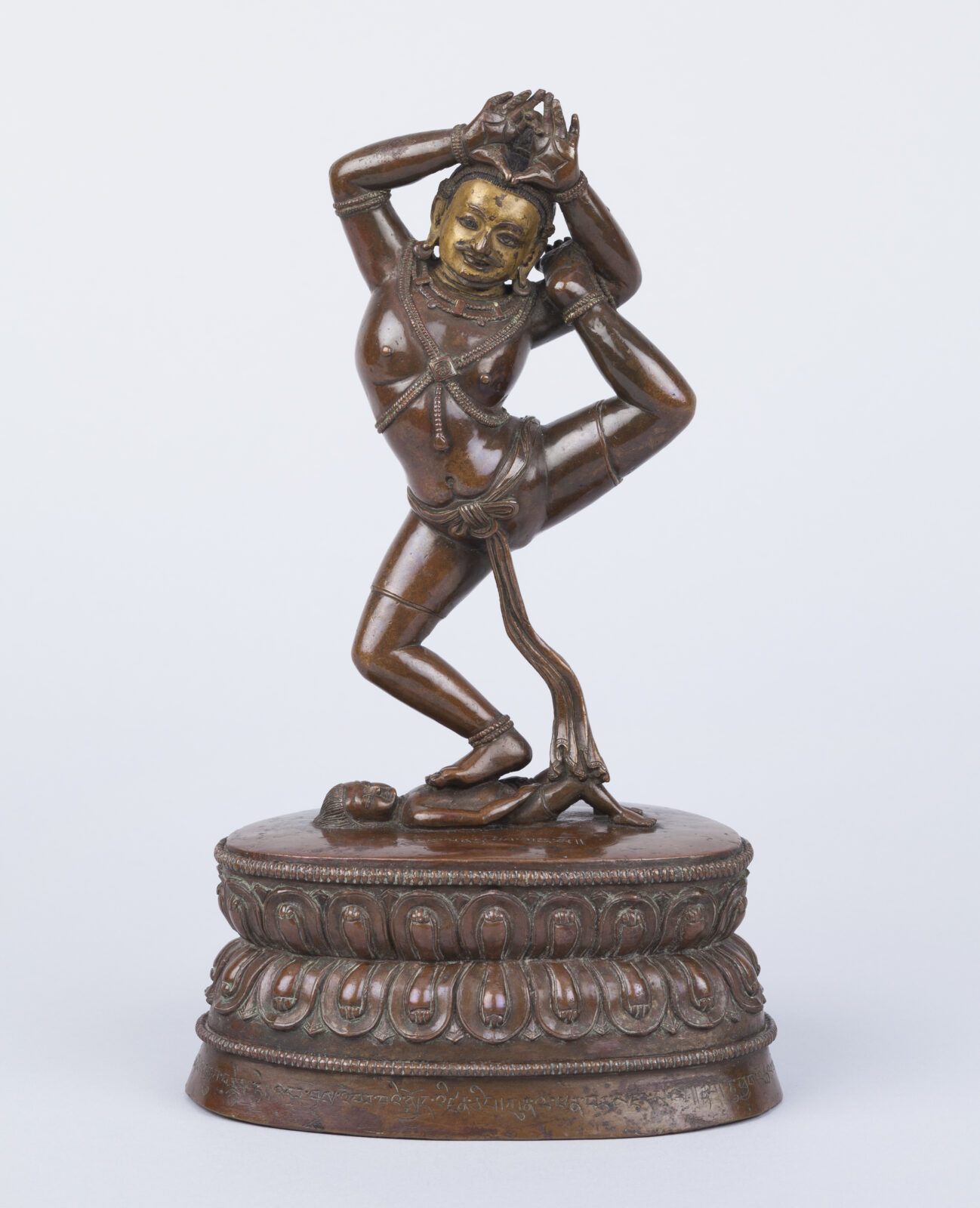
A selection of 42 artworks from the Rubin Museum of Himalayan Art’s collection—all but one never before exhibited in Asia—are now on view at the National Palace Museum, Taiwan Southern Branch in the exhibition Crossing the Himalayas: An Artistic Odyssey, which runs through April 8, 2027. The Rubin is the largest lender to the exhibition, which also includes loans from The Metropolitan Museum of Art, the Walters Art Museum, and Taiwanese collections, as well as artworks from the National Palace Museum’s collection.
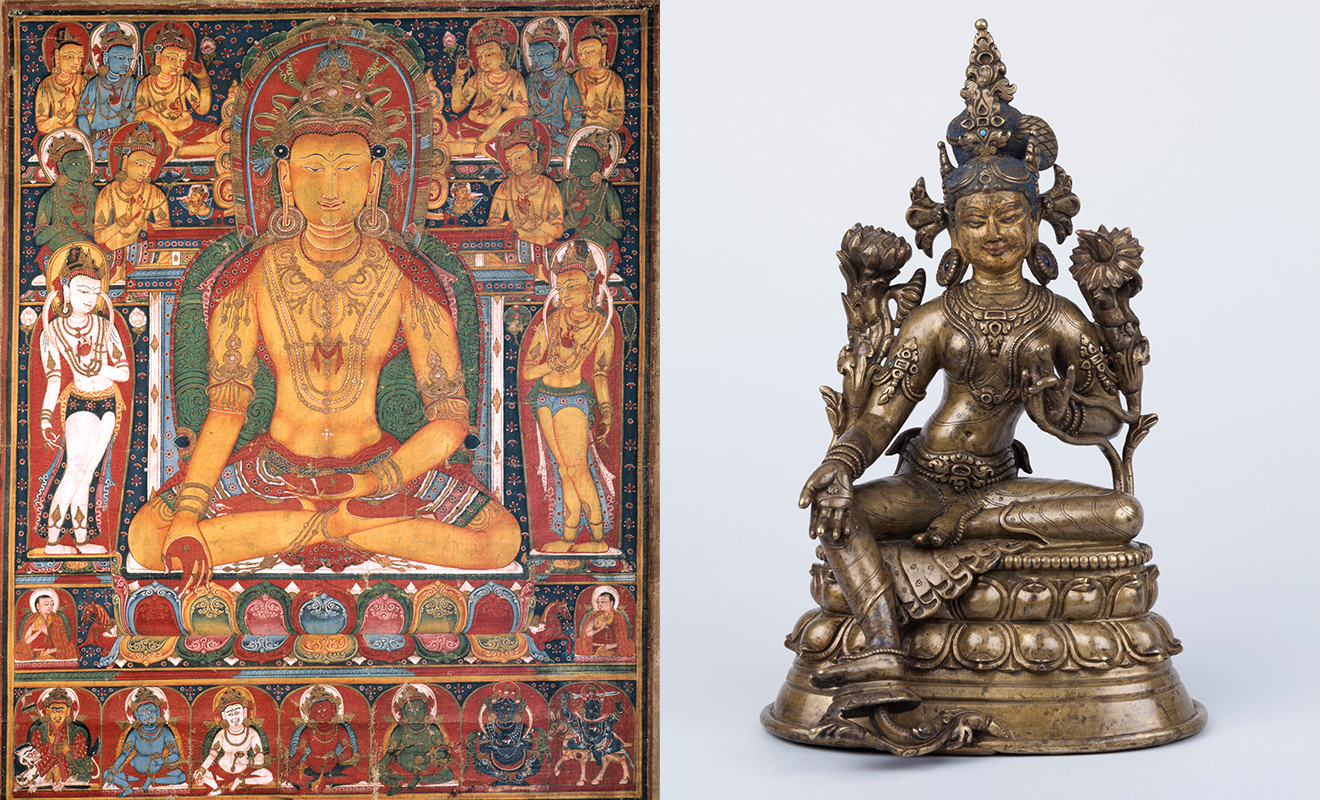
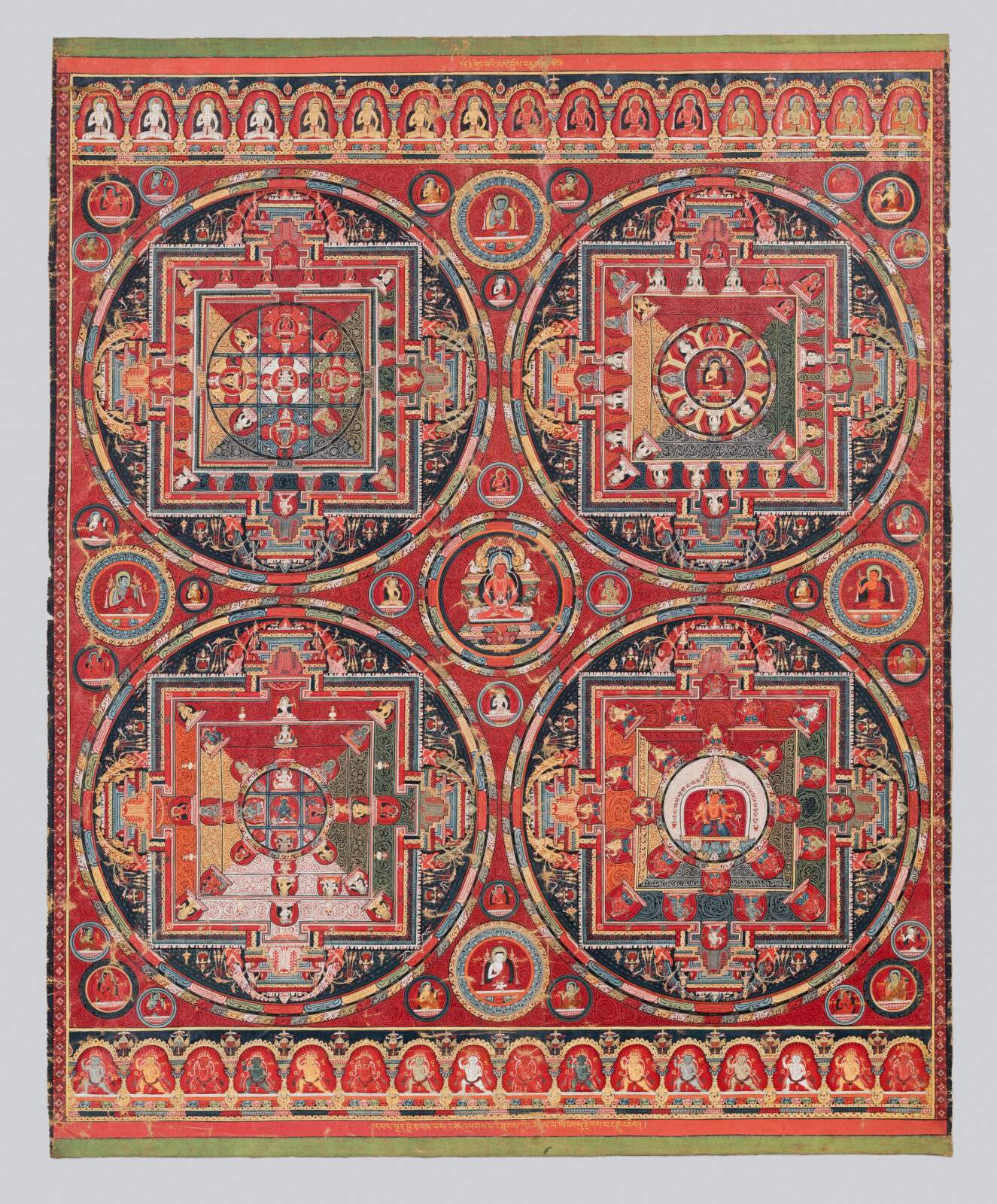
Rubin loans are spread throughout the exhibition, which explores the Himalayas as a cultural crossroads. These artworks include some of the most significant objects in the collection, such as paintings Four Mandalas of the Vajravali Cycle from the Ewam Choden Monastery in central Tibet (1429–1456) and Buddha Ratnasambhava with Wealth Deities (Tibet, early to mid–14th century), and a 14th–century central Tibetan sculpture of a Green Tara.
Rubin Senior Curator Karl Debreczeny has written the object entries for all 42 of the Rubin loans, which will be published in both Chinese and English. “The bilingual catalog will give strong representation of the Rubin Museum’s collection in Chinese, with the potential to reach wider Chinese audiences, where there is great interest in Tibetan Buddhism and its art,” he says.
Crossing the Himalayas: An Artistic Odyssey also displays a selection of videos from the Rubin’s digital platform Project Himalayan Art, an interdisciplinary resource for learning about Himalayan, Tibetan, and Inner Asian art and cultures.
As part of the exhibition programming, Karl Debreczeny presented the talk “Landscapes of the Divine: Tibetan and Chinese Painting Traditions in Dialogue,” exploring the complex multi-faceted relationship between these artistic traditions from the 9th to 19th centuries.
Participating in Crossing the Himalayas: An Artistic Odyssey and surrounding initiatives contributes to the Rubin’s decentralized model, in which sharing the collection, curatorial expertise, and other resources plays a crucial role. “Being such an important part of the exhibition and its accompanying publication helps us in our efforts to spread awareness around Tibetan, Himalayan, and related Inner Asian cultural regions on a global scale,” says Rubin Executive Director Jorrit Britschgi. It is the Rubin’s largest engagement in Asia to date.
Works from the Rubin are also on view in long-term loans to the Brooklyn Museum and the Seattle Art Museum, as well as in the Museum’s ongoing traveling exhibition Gateway to Himalayan Art, which visits its eighth venue, the University of Southern California Pacific Asia Museum, in October.
Visit the National Palace Museum, Tawain’s exhibition page for more details on this exciting show.