Photo by Filip Wolak
Photo by Filip Wolak
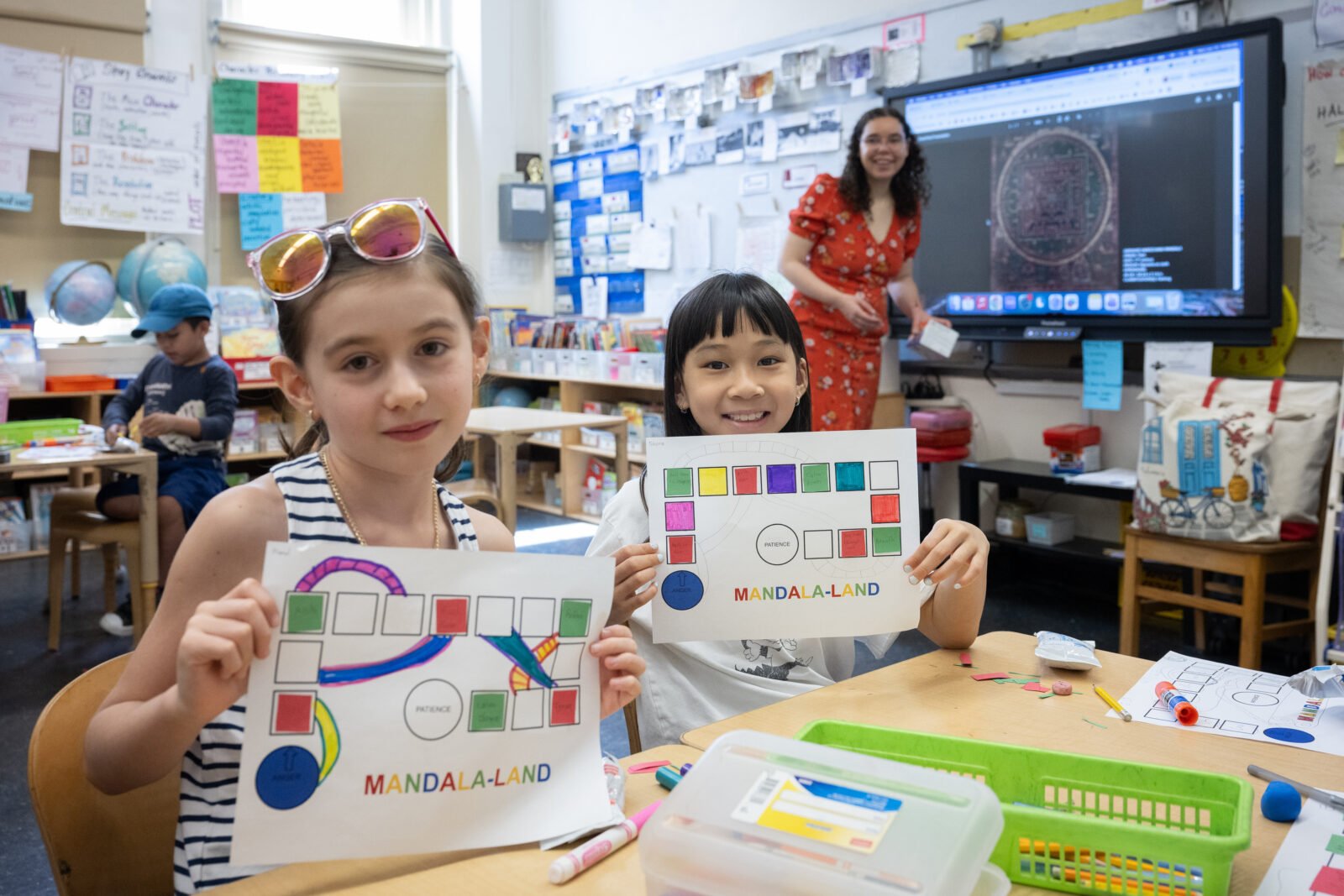
Since launching in 2025, Mandala Lab in Your Classroom has served over 1,600 students across New York City and beyond. Drawing from Himalayan art and its insights, this free program aims to cultivate emotional awareness and compassion through art-making activities, guided discussions, and engagement with objects from the Rubin’s collection.
The program is rooted in the Rubin’s Mandala Lab—an interactive experience where participants consider how to transform complex emotions into wisdom. Mandala Lab in Your Classroom incorporates these lessons with Social, Emotional, and Ethical (SEE) Learning® principles to help students learn to navigate challenging emotions.
An evaluation of Mandala Lab in Your Classroom conducted by Garibay Group during the 2025–2026 school year reveals the impact of the program in a broad range of classrooms—from advanced placement psychology and Eastern philosophy to English as a second language and special education. The program supports students’ development of emotional awareness, with 90% of participants being able to identify their emotions, and 83% articulating difficult emotions. More than two-thirds of classes included students practicing or discussing strategies for calming themselves, and students were observed demonstrating compassion towards each other in 90% of classes.
I think the most valuable part was that the students were exposed to another culture, another way of thought, and got to experience firsthand the power of relaxation [that] mindful art provides. —Participating teacher
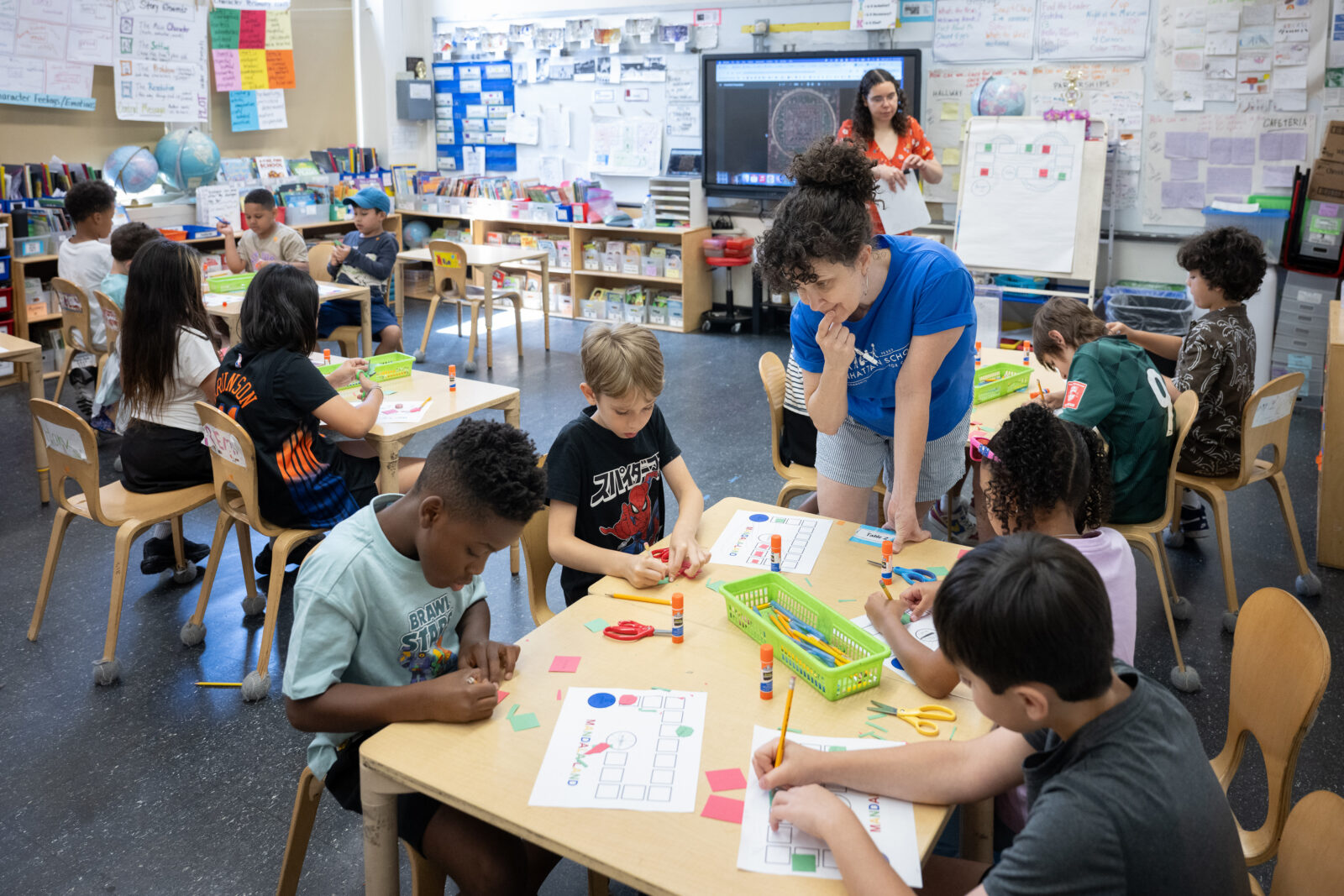
Photo by Filip Wolak
The report findings demonstrate Himalayan art and its insights can be a powerful gateway for breaking through to students, including those who struggle with their emotions or find communication in general to be a challenge. For students with disabilities and English language learners, Mandala Lab in Your Classroom offers new ways to express themselves.
In special education classrooms, Rubin educators adapt activities to students’ individual abilities, taking into account neurodivergent students and those with limited or nonverbal communication. As one special education teacher observed, “The most interesting thing was when we gave them the project to do. They were so calm. They were so busy. They were thinking, and [in] every single piece . . . you can see the expression. Whatever they are making . . . was related with their thinking.” The teacher’s takeaway from the session was that this group of students “needs more hands-on education.”
For English language learners, visual art provides another kind of language. Students use drawings to explore emotions, memories, their countries of origin, and their lives in New York, creating openings for conversations that might be difficult to have in English alone. One teacher recalls, “Students were hesitant to share moments in their lives in which they had struggled, but they felt more comfortable drawing. A few spoke about their sad feelings leaving their countries behind and moving to New York City. One boy drew a picture of the house he used to live in in his village in Africa. Many students drew the flags of their old countries or other symbols representing their former home on one side of the paper and something that represents New York to them on the other side.”

Photo by Filip Wolak

Photo by Jessica Bal
At its core, Mandala Lab in Your Classroom gives students the opportunity to explore their emotions through art, games, discussion, and mindfulness. The goal is not to eliminate difficult emotions but to help students recognize them and develop strategies for working with them.
One student reflected, “I learned that pride can be a negative trait.” Another learned that “attachment to certain feelings can stop you from achieving inner peace.” Others identified breathing as a strategy to use in difficult moments: “I can breathe deeply when I am angry.”
Sarah Richard from the High School for Law, Advocacy, and Community Justice recalls talking about attachment in relation to the Mandala Land board games each student created as a way to explore challenging emotions. She notes, “I felt like that was a great way to . . . get students to be more self-aware of their attachment to things like their phones or to maybe even toxic relationships.”
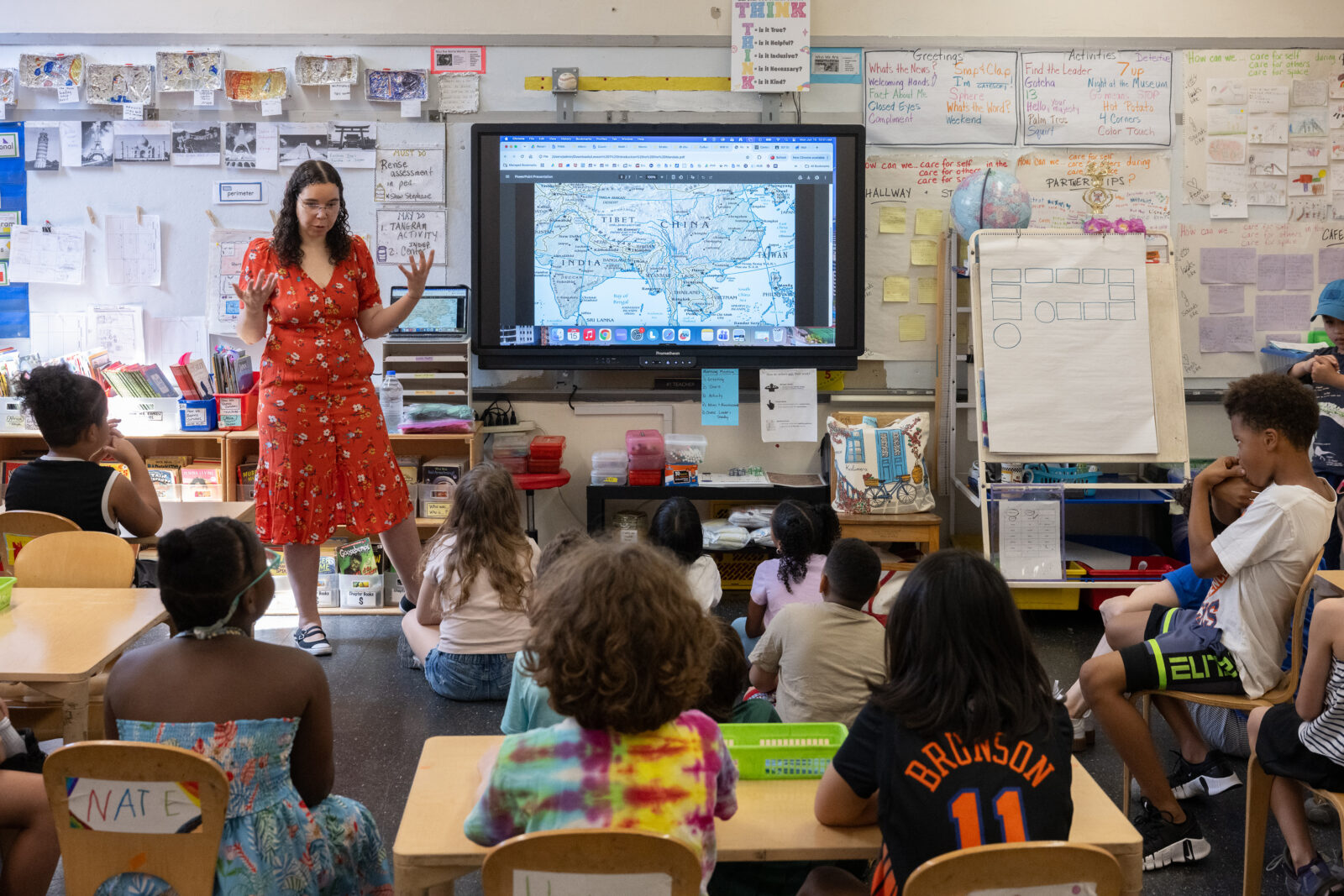
Photo by Filip Wolak
My students wouldn’t really have known that much about the Buddha or wouldn’t really [have] known anything about Himalayan culture without this class. . . . I think just the biggest takeaway was planting seeds of awareness. —Participating teacher
Expanding awareness of different cultures and places has been an additional benefit of Mandala Lab in Your Classroom. The lessons offer many students a first encounter with the Himalayas, with teaching artists situating the region on maps. One teacher observed that students “really love the component of geography,” especially since some students “had no background knowledge on the Himalayas, or even Mount Everest.” This teacher reported that repeatedly reviewing the location where the mandalas were made helped reinforce their sense of perspective on the location of the Himalayan regions.
The program also offers an opportunity to introduce students to “the different cultural and religious aspects of Hinduism and Buddhism.” For some students the lessons provided meaningful connections to their home countries. One teacher described students “relating where they’re from to Nepal.” They were excited when they recognized similarities to this part of the world. For the students, the greater Himalayan region “was not as far away as they thought.”
Another teacher described how the program fostered connection in a diverse classroom. “Our school is predominantly students from South American countries,” the teacher explained. “We’ve had an increasing student population from the Middle East [and even from] Nepal, so it was really nice to kind of get a little more close to home culturally with them and introduce my other students from these different cultures to a culture that they’re completely unaware of.”
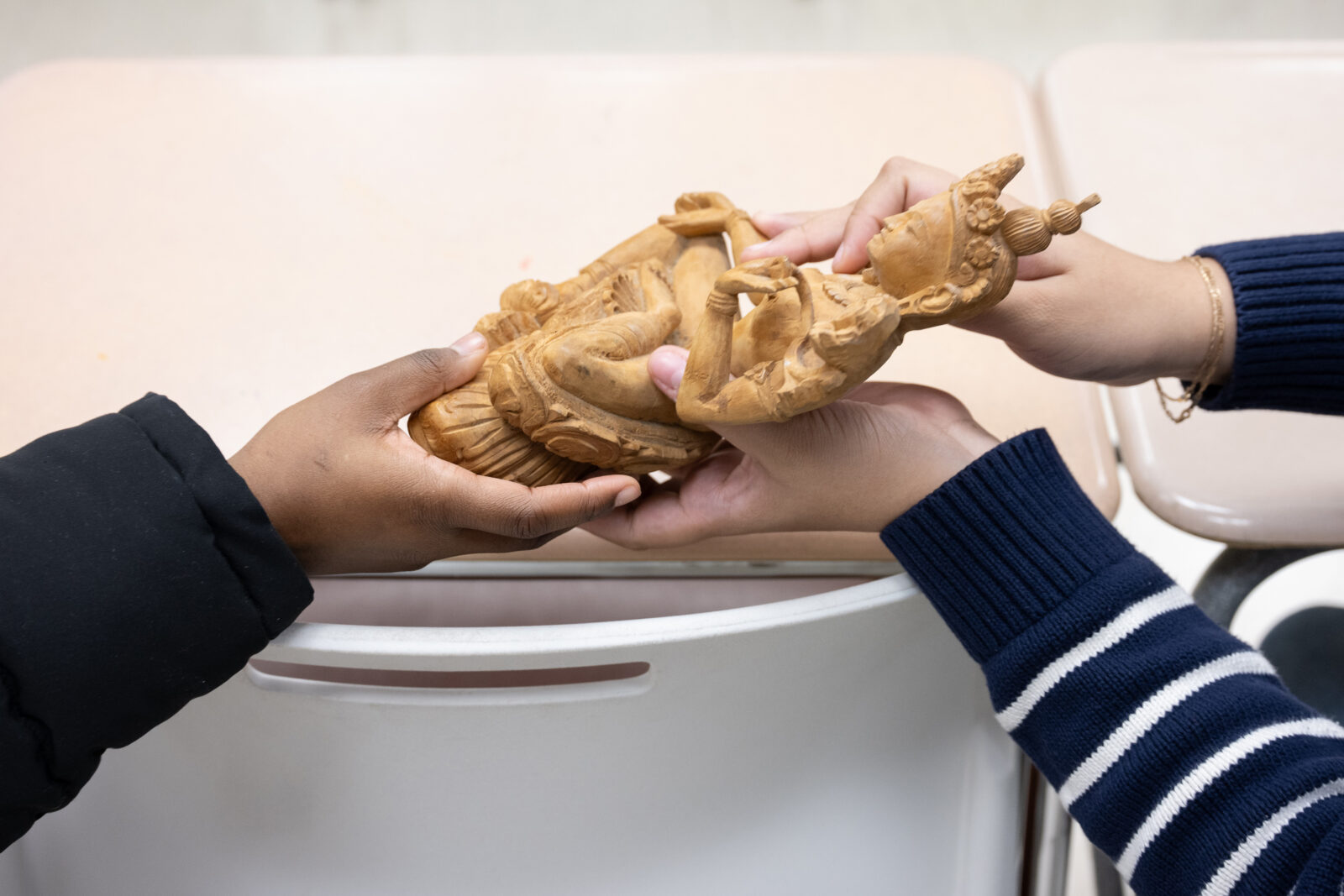
Photo by Filip Wolak

Photo by Filip Wolak
If it were not for programs like the Rubin’s, many of my students would not have [access] to art. [The program] provides socio-emotional learning in a way that is extremely powerful. —Sarah Richard, High School for Law, Advocacy, and Community Justice
Alongside its focus on mindfulness and social-emotional learning, Mandala Lab in Your Classroom provides students with opportunities for both art making and encounters with art objects at a time when access to arts education can be limited.
Creating art becomes a starting point for students to explore their emotions, which can be especially meaningful for students with disabilities, such as one classroom in New York City where all of the students were nonverbal and had limited communication skills. The crown-making activity was adapted, allowing students to participate through materials and creative choices rather than relying on verbal discussion.
Introducing an object from the Rubin’s collection that can be passed around and touched by students is an especially engaging part of the lessons. The Rubin’s Senior Manager of Curriculum Development and Education Jacqueline D. Smith remarked, “The [high school] students [with special needs] loved holding the touch object from the Rubin collection: the prayer wheel. They recognized that it was a unique opportunity to be able to handle both a ritual object and an artifact from a museum.” The students “treated the prayer wheel with respect. They each took turns spinning it. They also adored creating their own affirmation wheels. The fact that the art project could spin was a big hit.”
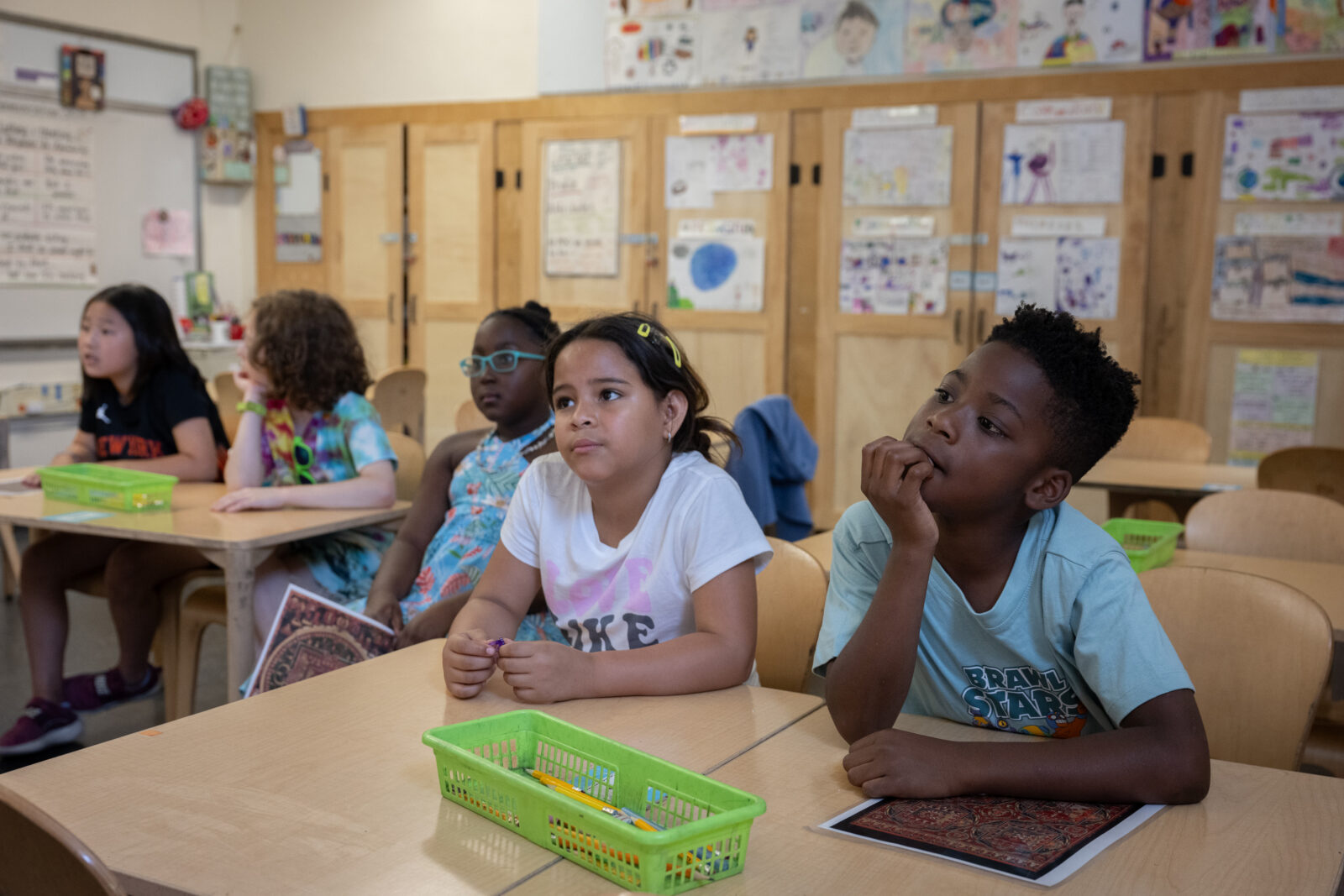
Photo by Filip Wolak
Having the Rubin Museum visit our fifth-grade classroom was an amazing experience. The students looked forward to the visits. The engaging, hands-on activities, and meaningful conversations provided an opportunity for our students to explore their emotions, learn strategies for navigating challenges, and discover the beauty of Himalayan art and culture. It was an engaging, enriching, and truly memorable program for our students. —Debbie Beceiro, teacher at PS’IS 102Q
In bringing the Rubin’s collection into schools, Mandala Lab in Your Classroom embodies the Rubin’s mission to create meaningful connections between Himalayan art and contemporary life.
Students discover that the emotions explored—attachment, pride, anger, envy, and ignorance—are not abstract concepts but feelings they can recognize, reflect on, and learn to navigate in their own lives. As one student in New York City put it, “Emotions can be complicated a lot of times and that’s okay.”
Learn more about Mandala Lab in Your Classroom.

Christina Watson is the digital editor at the Rubin Museum of Himalayan Art.
Jacqueline D. Smith is the senior manager of curriculum development and education at the Rubin Museum of Himalayan Art. She began her career teaching social and emotional learning in New York City public schools and has over a decade of experience in museum education. Jacqueline is deeply committed to connecting museum audiences with art through social and emotional learning principles.
Get the latest news and stories from the Rubin, plus occasional information on how to support our work.