Photo by M5 Photography
Photo by M5 Photography
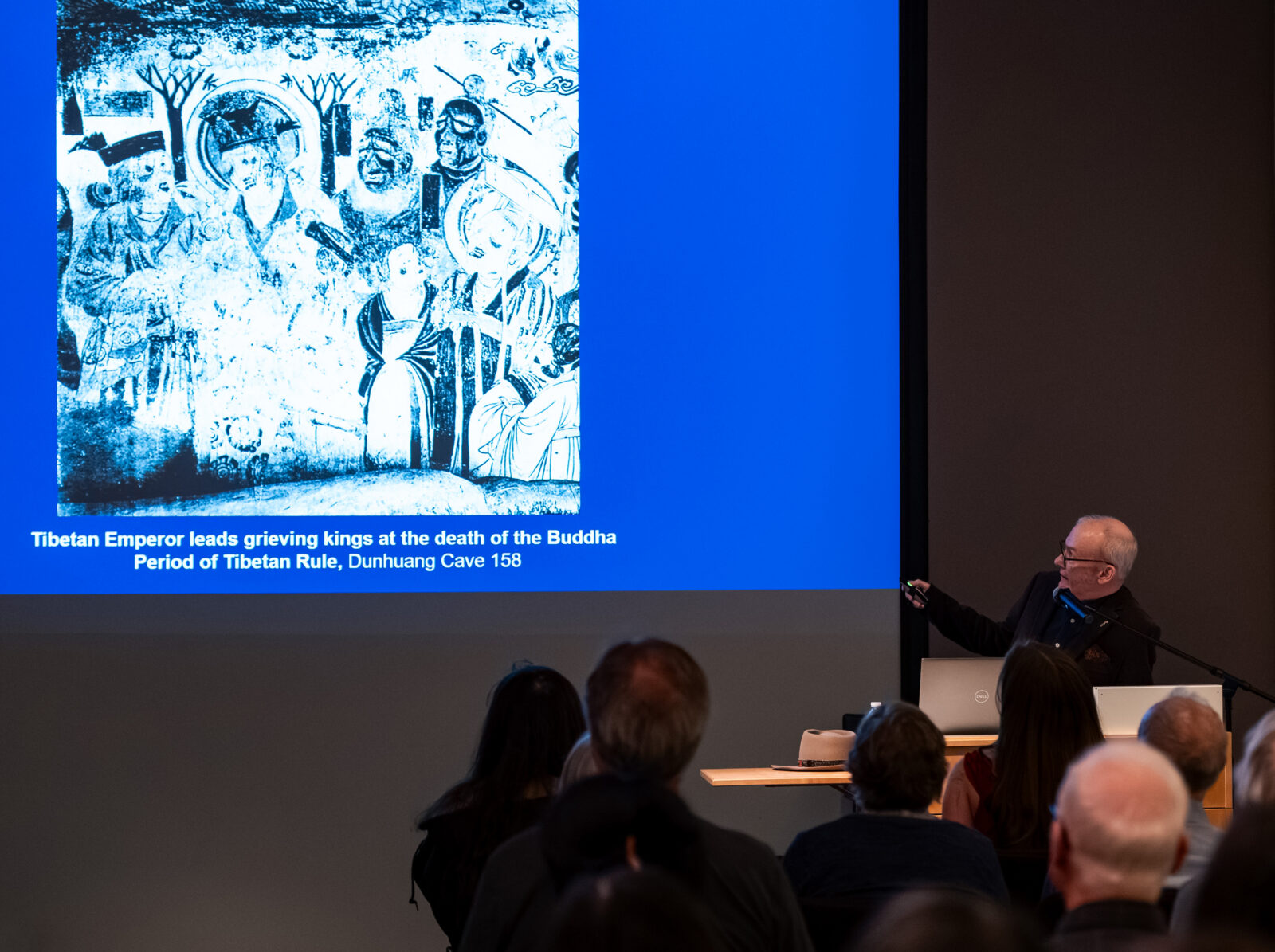
Last month Karl Debreczeny, the Rubin’s senior curator of collections and research traveled to the University of Oregon in Eugene, where the Museum’s traveling exhibition Gateway to Himalayan Art is currently on view at the Jordan Schnitzer Museum of Art (JSMA). He was invited by the JSMA to share his curatorial expertise in the field to campus and community members by giving a public lecture and speaking with students in the history of art and architecture and museology departments.
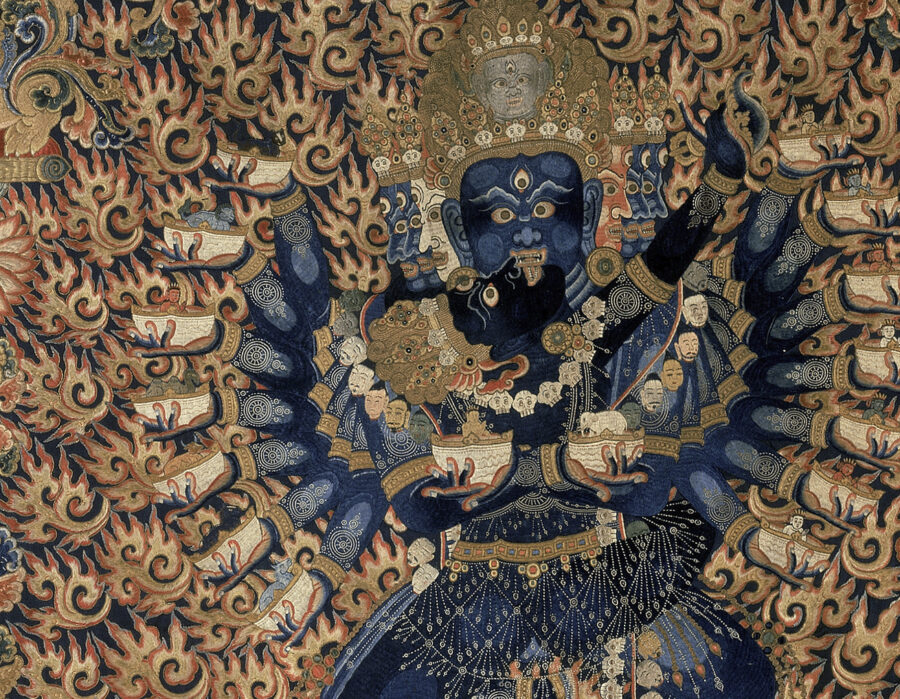
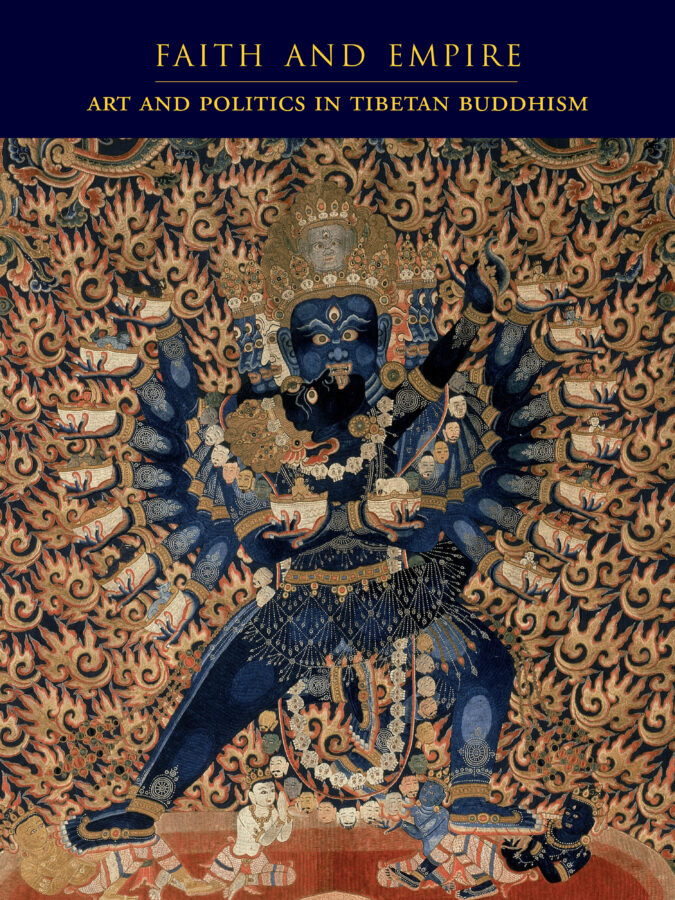
As an academic art museum on the campus of a research university, the JSMA’s Lijin Collection Arts of Asia Distinguished Lecture is intended to bring major scholars to present original research to the University of Oregon campus and local Eugene community. Anne Rose Kitagawa, chief curator of collections and Asian art and director of academic support at JSMA, invited Karl to lecture on topics explored in his 2019 exhibition at the Rubin’s former galleries, Faith and Empire: Art and Politics in Tibetan Buddhism, and the accompanying publication.
In his lecture of the same name, Karl spoke about the intersection of politics, religion, and art in Tibetan Buddhism, placing Himalayan art in a larger global context and highlighting a dynamic aspect of the tradition related to power, one that may run counter to popular perceptions yet is critical to understanding its importance on the world stage. During the talk, Karl tied material back to the Rubin’s educational platform for learning about Tibetan, Himalayan, and Inner Asian art and cultures, Project Himalayan Art, referencing essays and other resources, such as an interactive map narrative on kingdoms and empires, as well as objects in the Gateway to Himalayan Art exhibition.

Photo by M5 Photograph
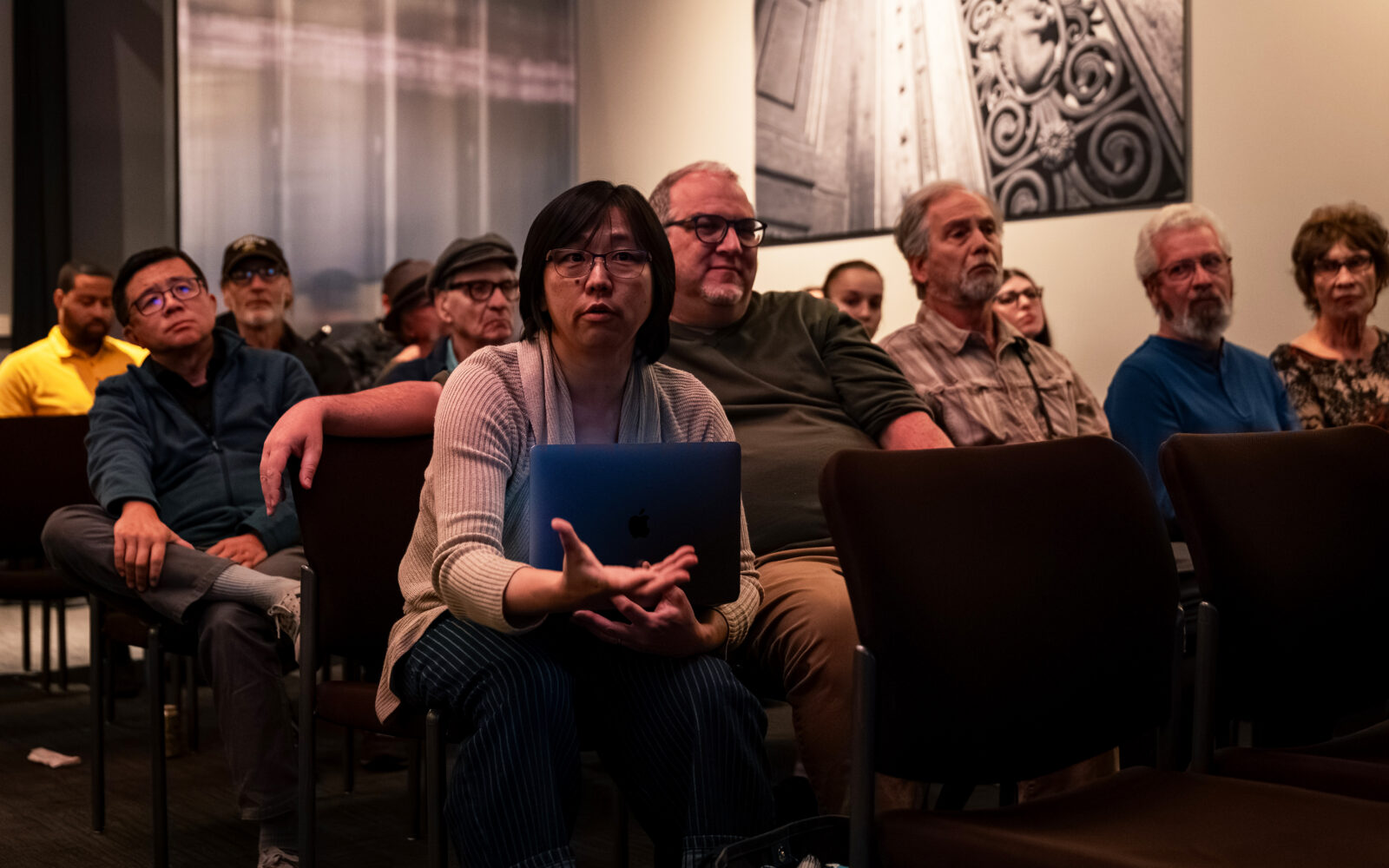
Photo by M5 Photography
The lecture was well attended by over 100 students, professors, and community members, and was recorded to be made available to a larger audience. After the event, attendees said they left with a deeper understanding of the long and complex history of the reception of Tibetan Buddhism and a more nuanced understanding of how it was used as a means of power.

In addition to the public lecture, Karl gave exhibition tours and talks to four undergraduate and graduate classes at the University of Oregon, including classes on museology, Chinese Buddhist art, Indian art, and Japanese prints.

Photo by Anne Rose Kitagawa

Photo by Anne Rose Kitagawa
Taking place in university classrooms and in the galleries of the Gateway to Himalayan Art exhibition, Karl spoke to over 200 students about the themes of the exhibition, Rubin curatorial practices, the Museum’s 2024 transition to a global model, and more. The talks provided further detail on what students had already been learning in the classroom, as many of the professors had already begun to integrate resources from the Rubin’s Project Himalayan Art digital platform into their curricula.
After the visit, professors reflected on the impact of these talks on their students:
“The feedback from my students was very positive. They were particularly interested in the model of the “museum without walls,” which challenges and innovates traditional museological paradigms.”
“The students grasped one of the key messages of the exhibition that Himalayan art is very much a living tradition.”
“It was clear that the students were thoroughly impressed by the variety of audio and digital content that augmented the physical exhibition… Others appreciated how making the content accessible to the audience guided the decisions of didactic materials.”
“…one graduate student has decided to reorient their research paper for the course around themes that emerged during our guided tour.”
The Gateway to Himalayan Art exhibition is on view at the JSMA through July 5, 2026.
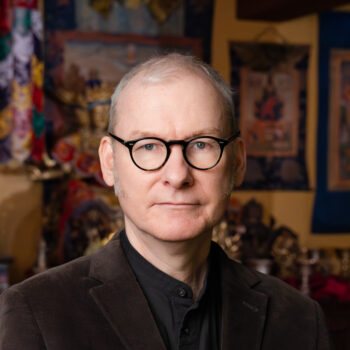
Karl Debreczeny is senior curator, collections and research, at the Rubin Museum of Himalayan Art. His research focuses on artistic, religious, and political exchanges between the Tibetan and Chinese traditions. His publications include The Black Hat Eccentric: Artistic Visions of the Tenth Karmapa (2012) and the coedited The Tenth Karmapa and Tibet’s Turbulent Seventeenth Century (2016). More →
USC Pacific Asia Museum
University of Southern California
Pasadena, California
Rubin Museum
150 W. 17th St., NYC

Get the latest news and stories from the Rubin, plus occasional information on how to support our work.