Listen to this article
0:00 / --:--
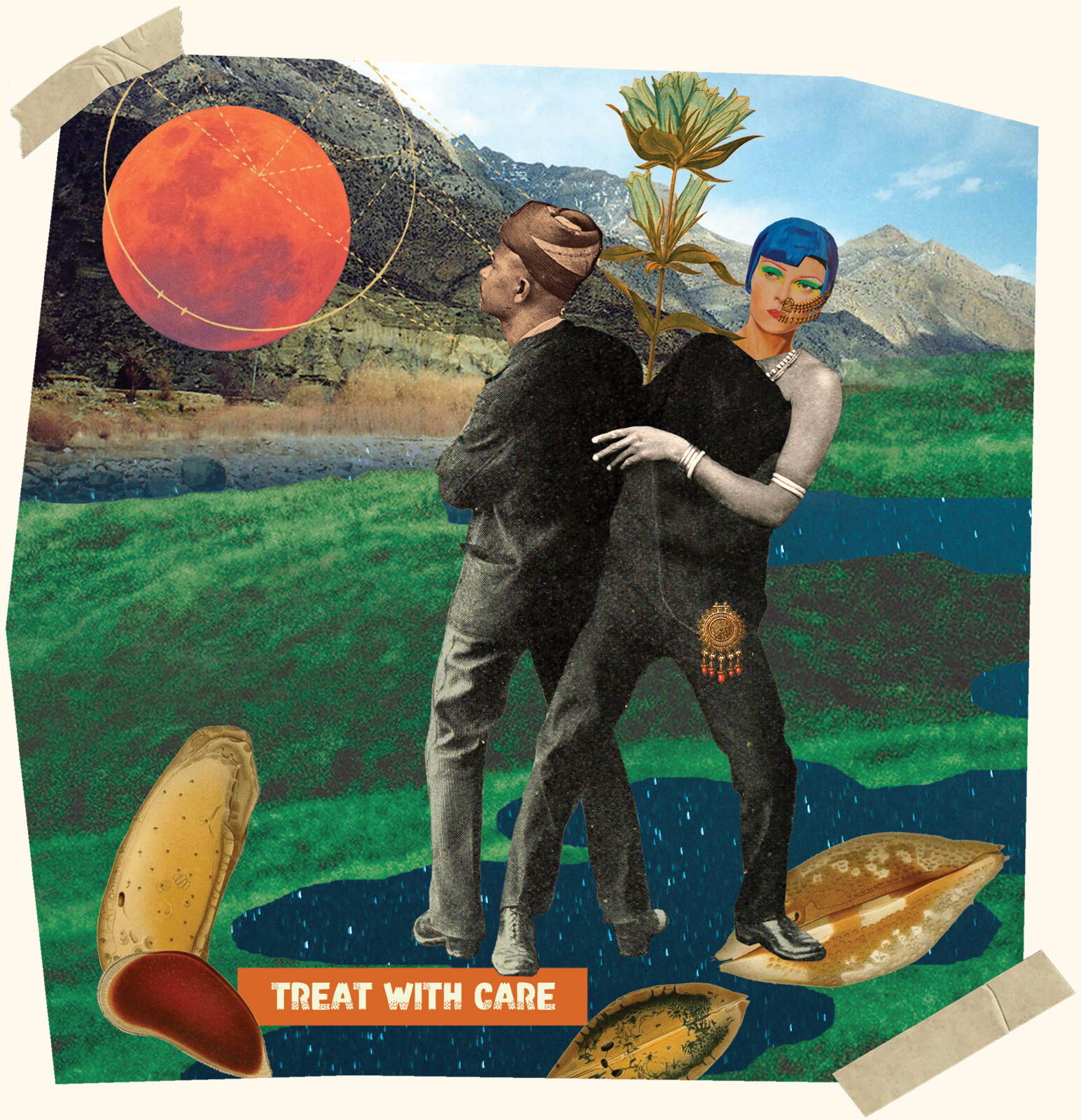
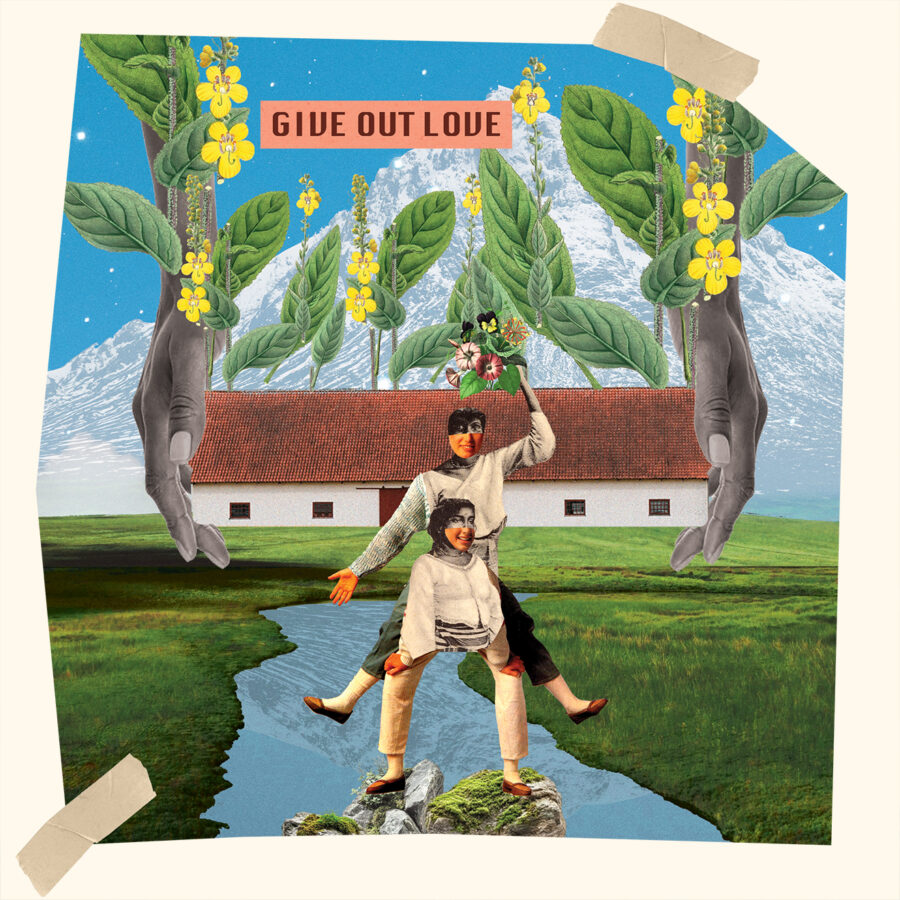
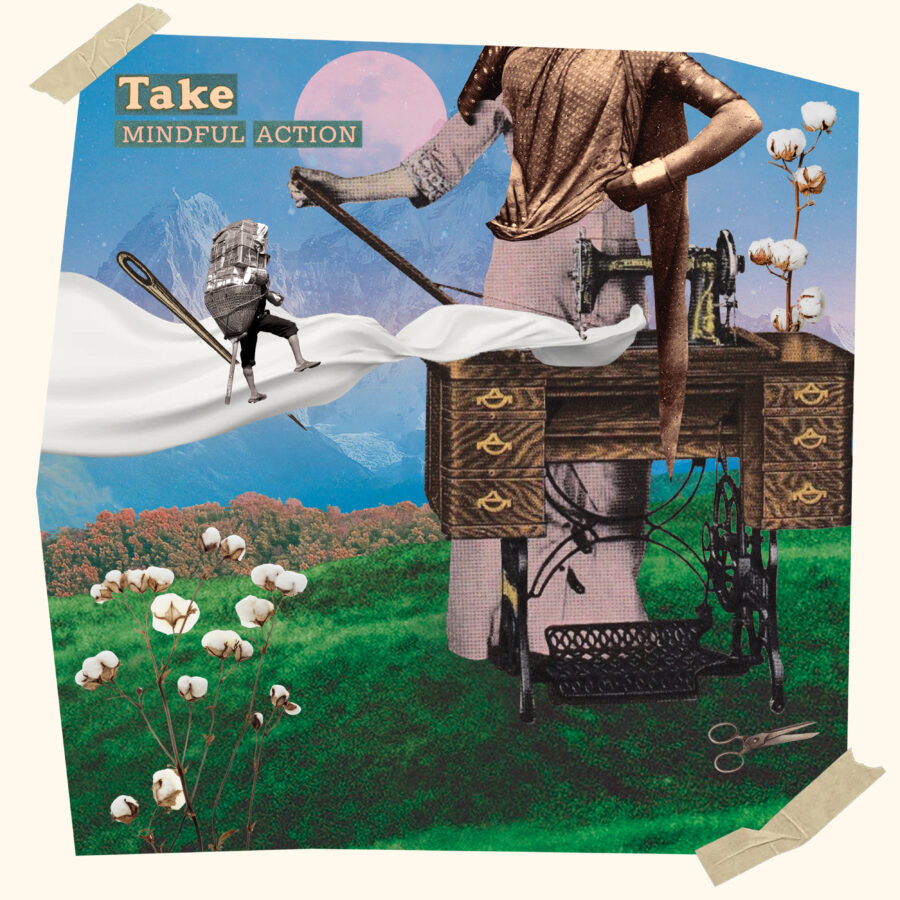
Illustration by Sarah Kaushik
In 2001, at the age of 29, Sunil Babu Pant founded the Blue Diamond Society in Nepal to focus on LGBTQ+ rights and advocate on behalf of marginalized and sexual minority communities. In those early days, the organization focused on HIV prevention and condom distribution, as young people across the country were dying needlessly out of a combination of ignorance, shame, and lack of medical intervention. “For the first two or three years running Blue Diamond, we fought the government to recognize and include a comprehensive AIDS prevention strategy that included men having sex with men and those who identified as third gender,” Sunil says.
One evening, during monsoon season, Sunil got a troubled phone call. The voice at the other end was desperate: one of the patients at a small, rural hospital was ill with HIV. The person was most likely dying of AIDS, and there was nobody to help. People were afraid—the stigma of AIDS was overwhelming. She identified as a meti, a person of a third gender. “At the time and still today,” Sunil says, such people “survive by begging, performing dances, offering blessings on auspicious occasions, and sex work.”
She was transferred to a hospital in Kathmandu where Sunil and members of Blue Diamond met her. When the admitting staff at the hospital was not sure if they should place her in the male or female ward, Sunil told them that it did not matter, saying, “You have taken the Hippocratic Oath and need to treat any [and all] patients.” The hospital put her with the men. After strenuous objections from others in the ward, she was removed and left in a cold, barren corridor of the hospital. Three days later she died.
The complications continued after her death. Sunil and friends from Blue Diamond wanted to take the body to be cremated, but her family had to grant them permission as they were not next of kin. Once they cleared that hurdle, they had to find a taxi that would take the body to a Hindu temple and crematorium along the banks of the Bagmati river. No ambulance would take a person who had died of AIDS—the stigma was too great. They had to give a taxi driver 500 times the usual fee to transport the body. No priest would conduct the ceremony, so they had to travel to a less auspicious temple where they found a pandit who would perform last rites.
Later at a gathering of 40 to 50 members of the Blue Diamond Society, including activists and those working to counter HIV, “Everyone got very sad and started crying.” Sunil recalls, “Some whispered, ‘What is our life? We die like a stray animal, and nobody cares. We are cursed.’ I said, ‘No, we are a family.’” That moment increased Sunil’s resolve to do more to protect the lives of LGBTQ+ people in Nepal.
After the monsoon broke, a centuries-old festival known as Gai Jatra began. The festival has its history in the story of a 17th-century royal family who lost a son tragically. The queen was inconsolable, and the king wanted to find a way to bring her joy. He requested that families who had lost loved ones parade in front of the royal couple and through the streets with cows or boys dressed as cows—as this animal is believed to lead souls into the next world—to honor the dead. It became a festival of solace but also of merry-making and joy.
The members of Blue Diamond attended right after the death of the meti, and over the years, they got even bolder in expressing their true selves. “Because our community is more creative than others, we started to get a lot of attention and praise. The festival became almost like a national pride parade.” People felt free to cross-dress and live freely out in the open. As it did more than 500 years ago, Sunil notes that “a death started the whole thing and paved the way for community.” They traced the roots of the festival to a time when crossdressing was allowed. Sunil says, “Gender diverse expression was authorized and ordered by the king long ago.”

Howard Kaplan is an editor and writer who helped found Spiral magazine in 2017. He currently works at the Smithsonian and divides his time between Washington, DC, and New York City.
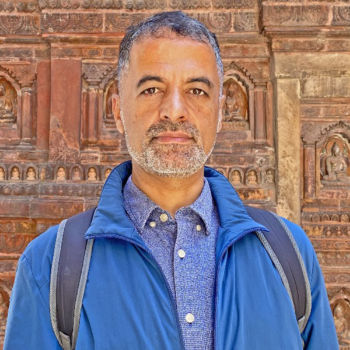
Sunil Babu Pant (Anaagarik Kassyapa) was the first openly gay member of parliament in Asia from 2008 to 2012 in Nepal. He founded the Blue Diamond Society (BDS) in 2001, an NGO dedicated to human rights, sexual health, and HIV/AIDS prevention and care for sexual/gender minorities in Nepal. Sunil is now a filmmaker, and he was an ordained Buddhist monk for two years from 2020 to 2021. He teaches tantra (energy) healing meditation and is a voluntary Tantra Heritage Tour Guide of Kathmandu. Sunil studies goddesses and the prehistoric matriarchy of Nepal through temples, stupas, festivals, rituals, symbols and scriptures.
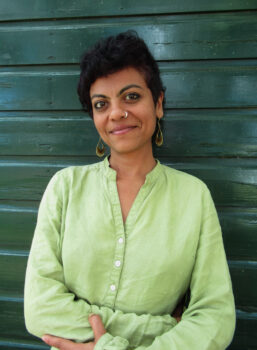
Sarah Kaushik is a Netherlands-based visual artist with Indian roots, whose work reimagines vintage imagery into surreal “worlds” that blur humor, critique, and dream. Using found photographs and pop-cultural fragments, she probes the absurdities of modern life with her collages, while also celebrating the strangeness of memory and imagination. Her work invites viewers to look closer—and be looked at in return.

Get the latest news and stories from the Rubin, plus occasional information on how to support our work.