
Wheel of Life; Tibet; 19th century; pigments on cloth; Rubin Museum of Art; gift of Shelley and Donald Rubin; C2006.66.131 (HAR 78)
Wheel of Life; Tibet; 19th century; pigments on cloth; Rubin Museum of Art; gift of Shelley and Donald Rubin; C2006.66.131 (HAR 78)
The Wheel of Life, or Wheel of Existence, is a representation of Buddhist beliefs about the cycle of life, death, and rebirth known as samsara. Past actions (karma) are the force that keeps beings within this cyclic existence. The central hub that makes the wheel rotate is the ultimate cause of samsara. The rim that holds the wheel together consists of states of consciousness in the process of rebirth. The whole of existence is depicted between these two parts of the wheel.
Wheel of Life; Tibet or Mongolia; 19th century; pigments on cloth; Rubin Museum of Himalayan Art, Gift of Shelley and Donald Rubin; C2006.66.131
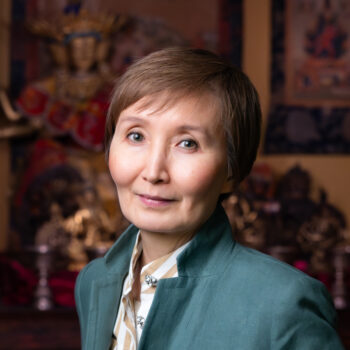
Elena Pakhoutova is senior curator, Himalayan art, at the Rubin Museum of Himalayan Art and holds a PhD in Asian art history from the University of Virginia. She has curated several exhibitions at the Rubin, including Death Is Not the End (2023), The Power of Intention: Reinventing the (Prayer) Wheel (2019), and The Second Buddha: Master of Time (2018). More →


Get the latest news and stories from the Rubin, plus occasional information on how to support our work.