
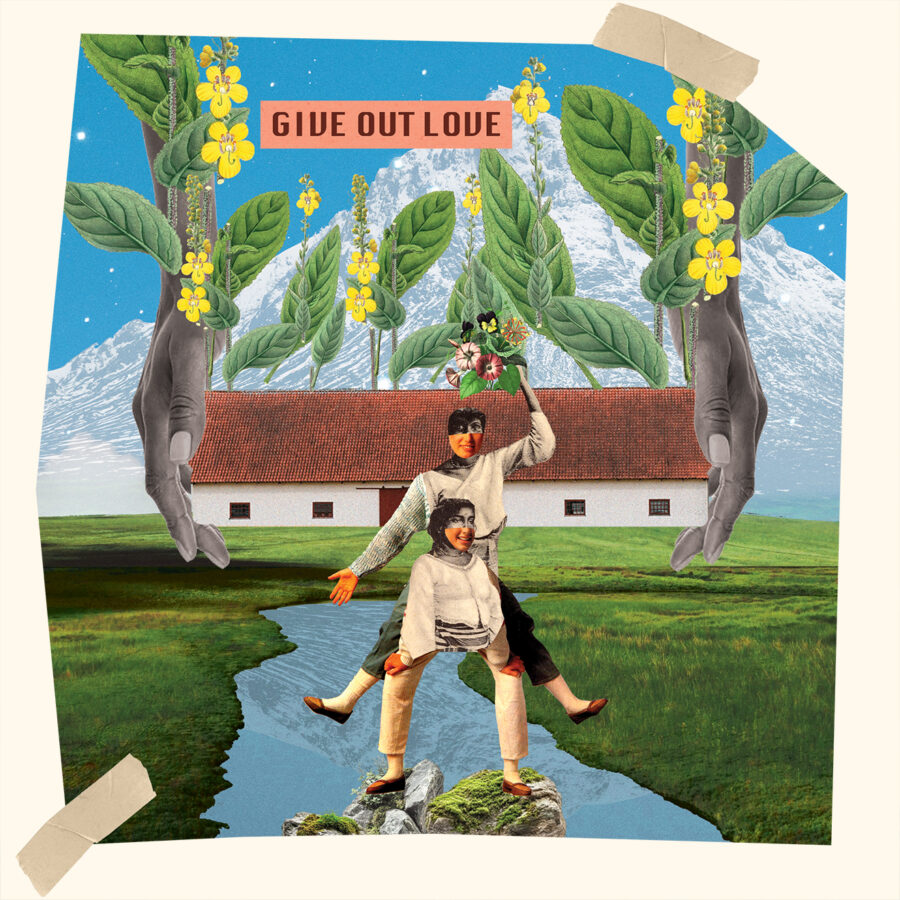
Illustration by Sarah Kaushik
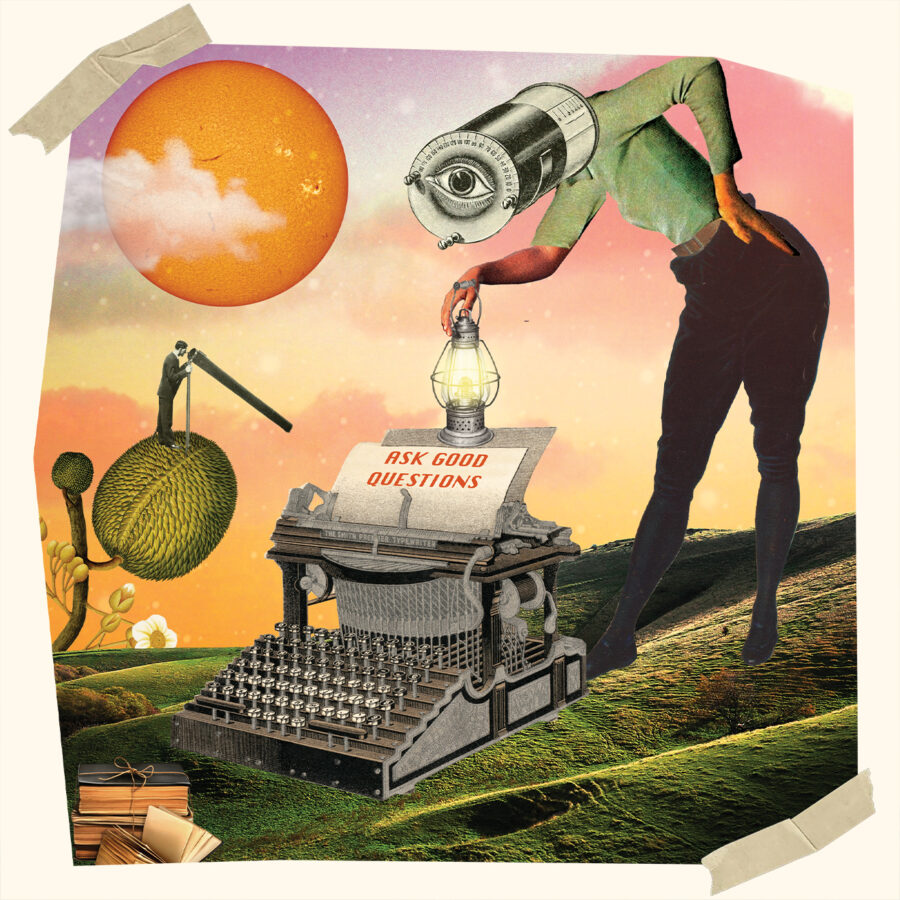
Illustration by Sarah Kaushik
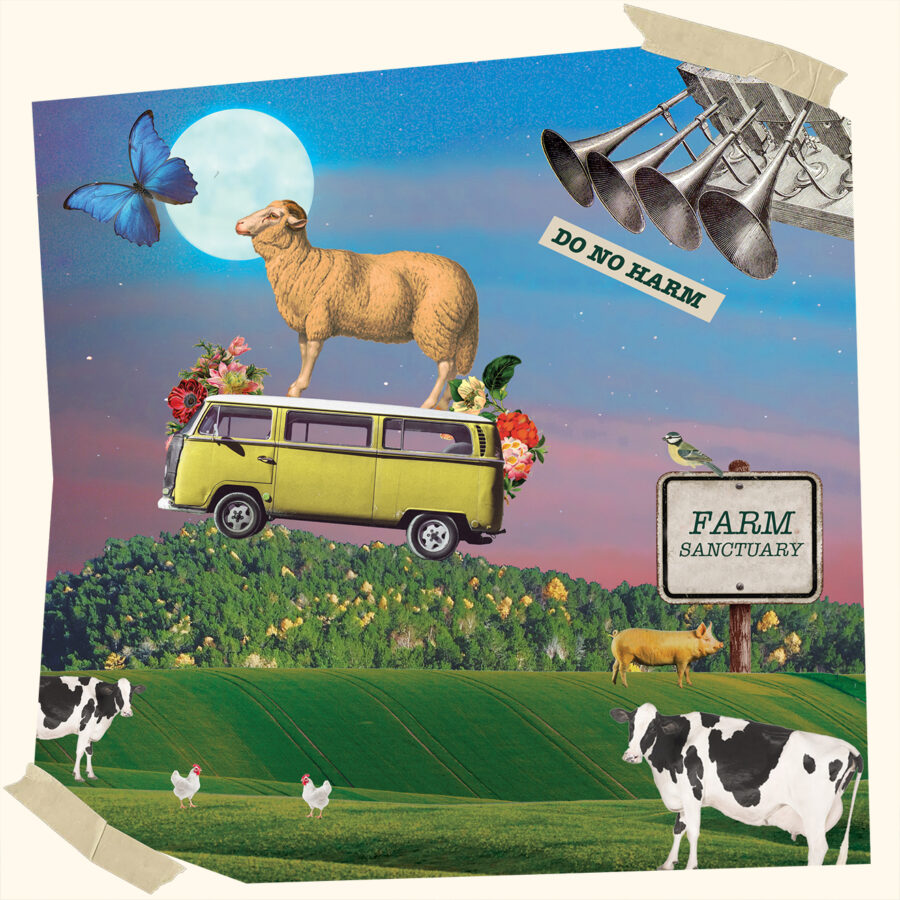
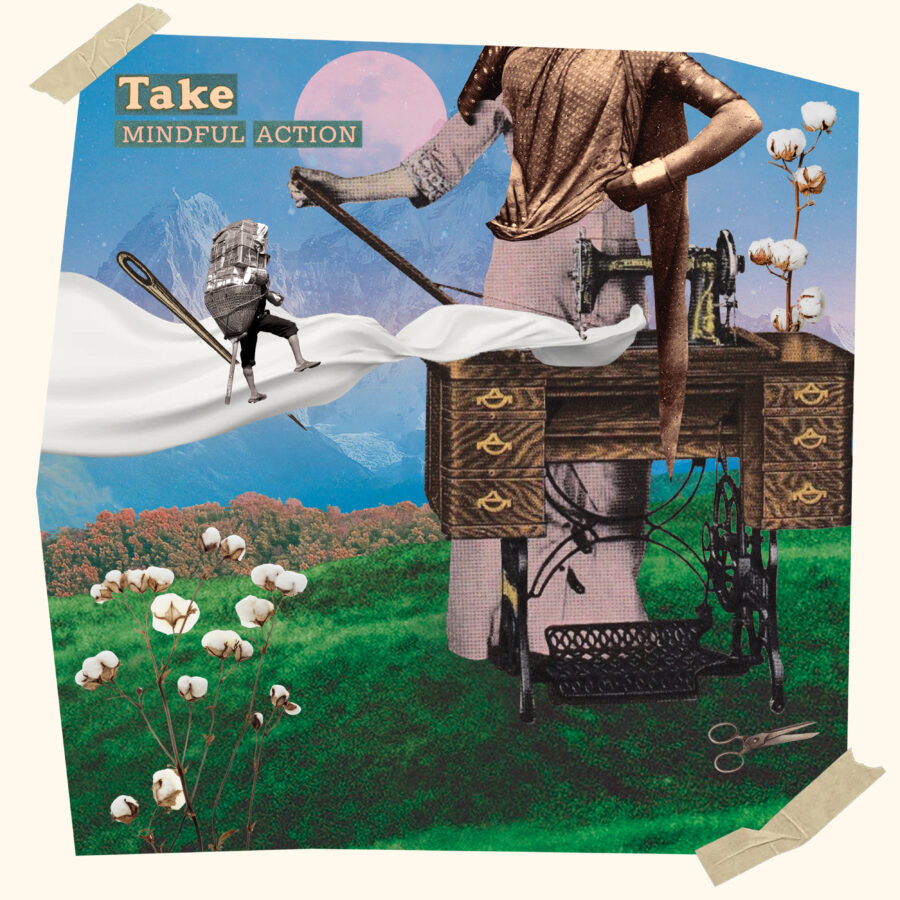
Sarah Kaushik: The idea that protection can be embedded in everyday life mirrors how I think about care and resilience within my own artistic practice. In the “Protectors All Around Us” series, the artworks center figures who commit to sustained acts of responsibility and presence. They make choices that quietly create ways of being that others might follow. The artworks illuminate the consequences of these actions over time, revealing how care can create meaningful and lasting impact.
My process is intuitive and layered. I collect images over time—found photographs, fragments, textures—without always knowing how they’ll be used. When I start a piece, I let images “speak” to each other. The composition evolves through play, trial, and disruption until a strange internal logic reveals itself.
When I’m blocked I shift focus, organizing my archive, revisiting old works, or simply observing. Blocks often signal that something needs to change, not be forced. Distance usually brings clarity.
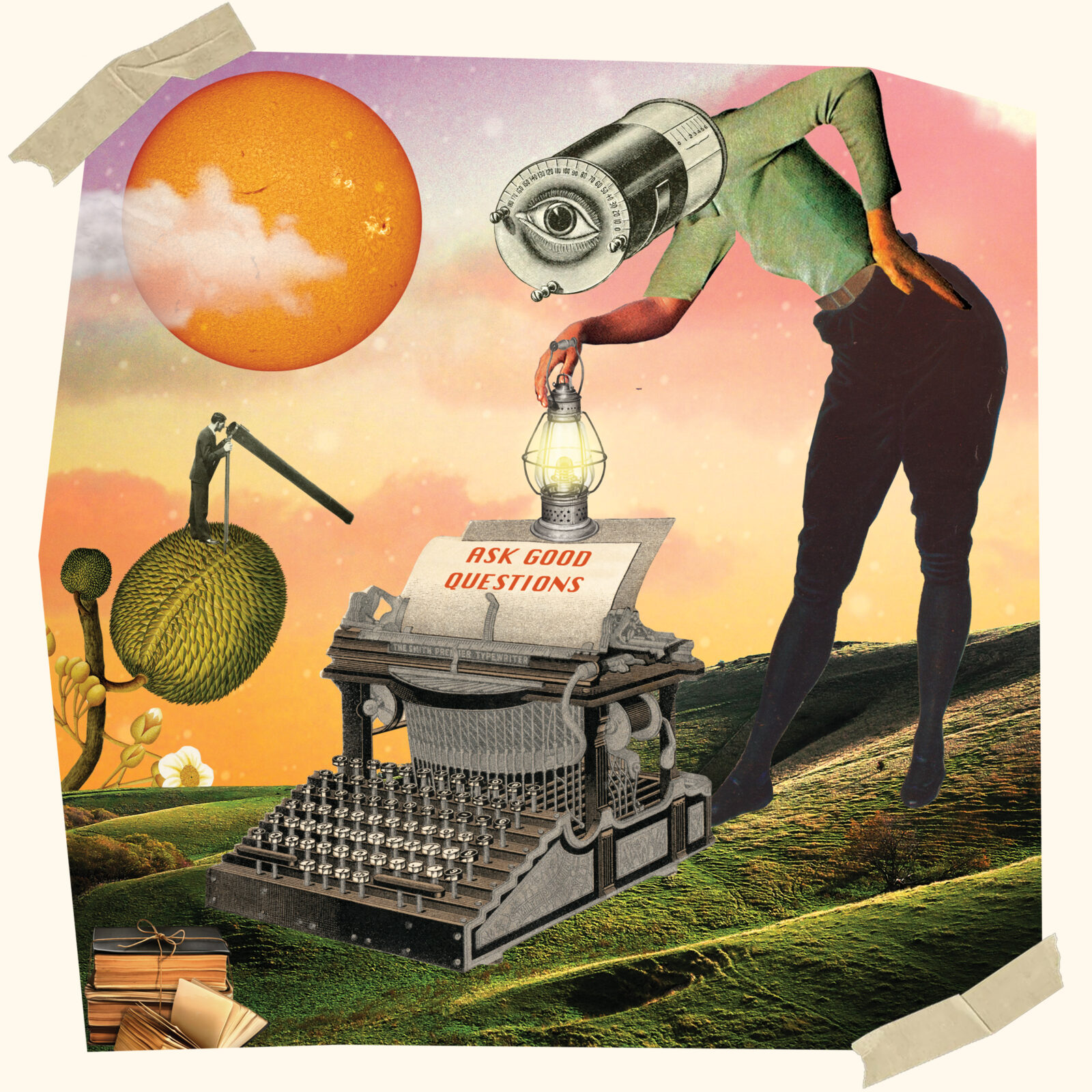
Illustration by Sarah Kaushik
I remember my first artwork very clearly. Even now, it feels like a signature piece, despite the many years of work that have followed. The piece was about Delhi, my first home, and it continues to anchor my artistic practice in ideas of memory and place.
My practice has grown through ongoing experimentation with composition and thematic direction within collage. With years of consistent work, my visual instincts have become clearer, and a personal style has naturally taken shape. After nearly a decade, I can see how that slow process of refinement has deeply influenced my current work.

Illustration by Sarah Kaushik
Discovering the collage worlds of Liliane Lijn was particularly influential for me. Her way of bringing together mythology, science, and abstraction within layered compositions opened up new possibilities for how collage can function as both conceptual and visual exploration.
I see wrath as an emotional response, one that is also compassionate. It has a quiet intensity, and I would interpret that as energy or momentum to take action. It becomes a force that sharpens attention and motivates. By reframing wrath as a form of awareness and responsibility, I’m interested in how it can coexist with care, resilience, and the impulse to protect what matters.
Yes. Music helps me enter a rhythm and sustains focus while I create. It would be interesting to notice if a particular piece of music influences the work itself, so maybe I will pay attention to that from now on!

llustration by Sarah Kaushik
I’m drawn to collage because it acknowledges that nothing is created in isolation. We are shaped by inherited histories and cultural memory, and collage makes that visible by working directly with existing images. By layering the old with the new, collage allows multiple timelines to coexist, creating new meanings from what already exists. That tension between past and present is what first drew me to the medium.
Scenography has deeply influenced how I think about space, composition, and storytelling. Both practices involve world-building and guiding perception. In my personal work, I apply that same sensitivity to atmosphere and staging. Each collage becomes a small, self-contained scene.
Art gives shape to thoughts and emotions that are difficult to articulate otherwise. The act of cutting, assembling, and recontextualizing images is grounding. It offers a way to process complexity without needing clear answers.
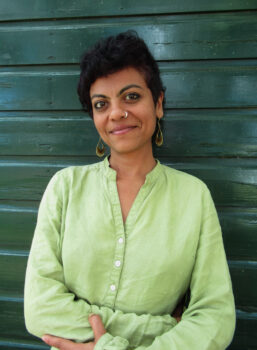
Sarah Kaushik is a Netherlands-based visual artist with Indian roots, whose work reimagines vintage imagery into surreal “worlds” that blur humor, critique, and dream. Using found photographs and pop-cultural fragments, she probes the absurdities of modern life with her collages, while also celebrating the strangeness of memory and imagination. Her work invites viewers to look closer—and be looked at in return.

Christina Watson is the digital editor at the Rubin Museum of Himalayan Art.

Get the latest news and stories from the Rubin, plus occasional information on how to support our work.