Photo by Rachel Bright
Photo by Rachel Bright
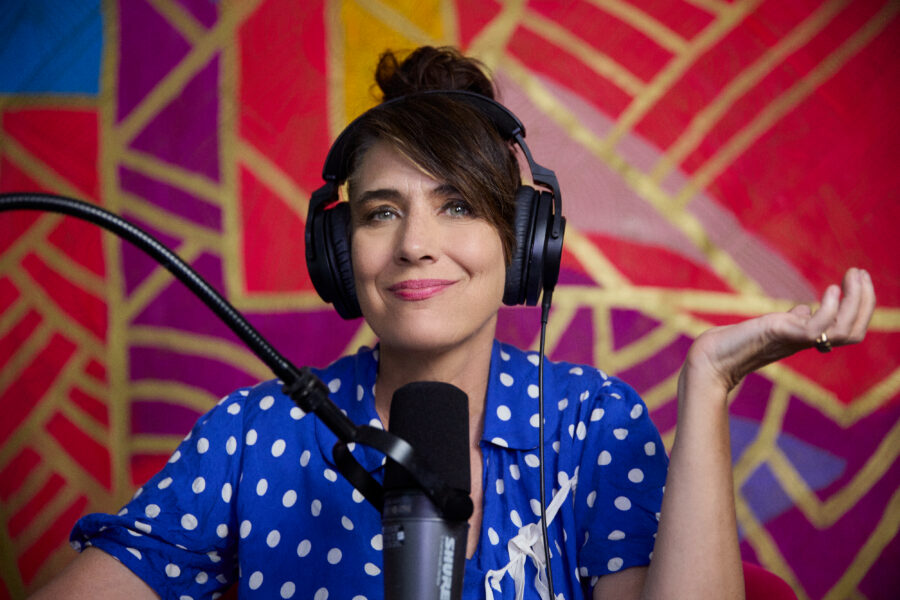
Kathleen Hanna: I really enjoyed hosting season 6 of AWAKEN, because I am interested in the concept of wrath. I had no idea that it was something that wasn’t just total anger or revenge. It sounds so vengeful. It was interesting to learn about how much scholarship and thought has been put behind the idea that maybe anger is actually a really important tool in our toolbox to point us in the direction that we need to be taking action in.
Anger is not a bad thing. No feeling or emotion is a bad thing. What I learned and what I have been thinking about is that anger can be a teacher and a guide, and that shoving it down is what makes it have a negative power. Actually investigating anger and being curious about it can turn it into something that’s proactive and helpful.
I used to take my kid to the Rubin a lot. Their first-ever art exhibition was at the Rubin. They had a shrine room where we would sit—and just imagine sitting with a three-year-old in a room where people are meditating and having them love it. There was a spiral staircase that my kid used to love running up and down. It was just this fun family experience that we did.
And my band had tons of meetings in the Rubin’s café, because it was just so quiet and calm. I never had a bad business meeting at the Rubin, so I kept going back.
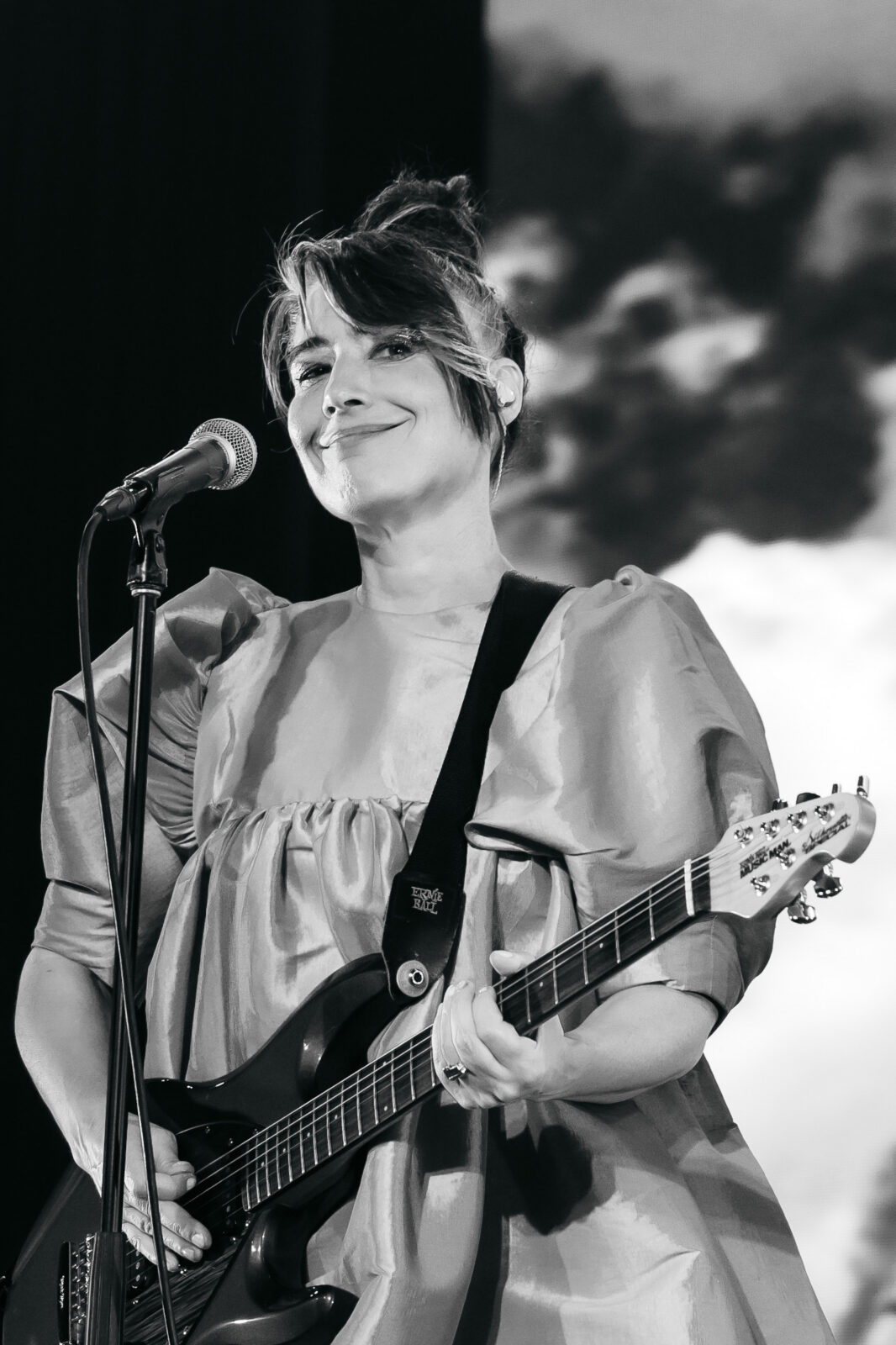
Wrath is important to me, because as somebody who has been in situations where I’ve been physically assaulted, sexually assaulted, and felt silenced about it, when I get on stage and I’m able to embody anger physically and through my voice, I let it go.
In performing that anger, I hope that other people are feeling that kind of righteous anger, the anger of someone who’s been genuinely wronged. This is especially important in a culture that’s constantly telling us, “Oh, if you speak up against this thing, you’re framing yourself as a victim,” which is just a way to re-victimize people.
Obviously, you don’t want to get stuck or trapped in your anger or trapped in a weird toxic cycle with people who abuse you. It’s important for me in my life that I step out of that, and wrath and anger and feeling it all the way down to the core of my being is what’s allowed me to step away from it. It’s an interesting phenomenon that stepping into something that most people think is toxic is how you release yourself from toxic situations, but that’s been what I’ve found.
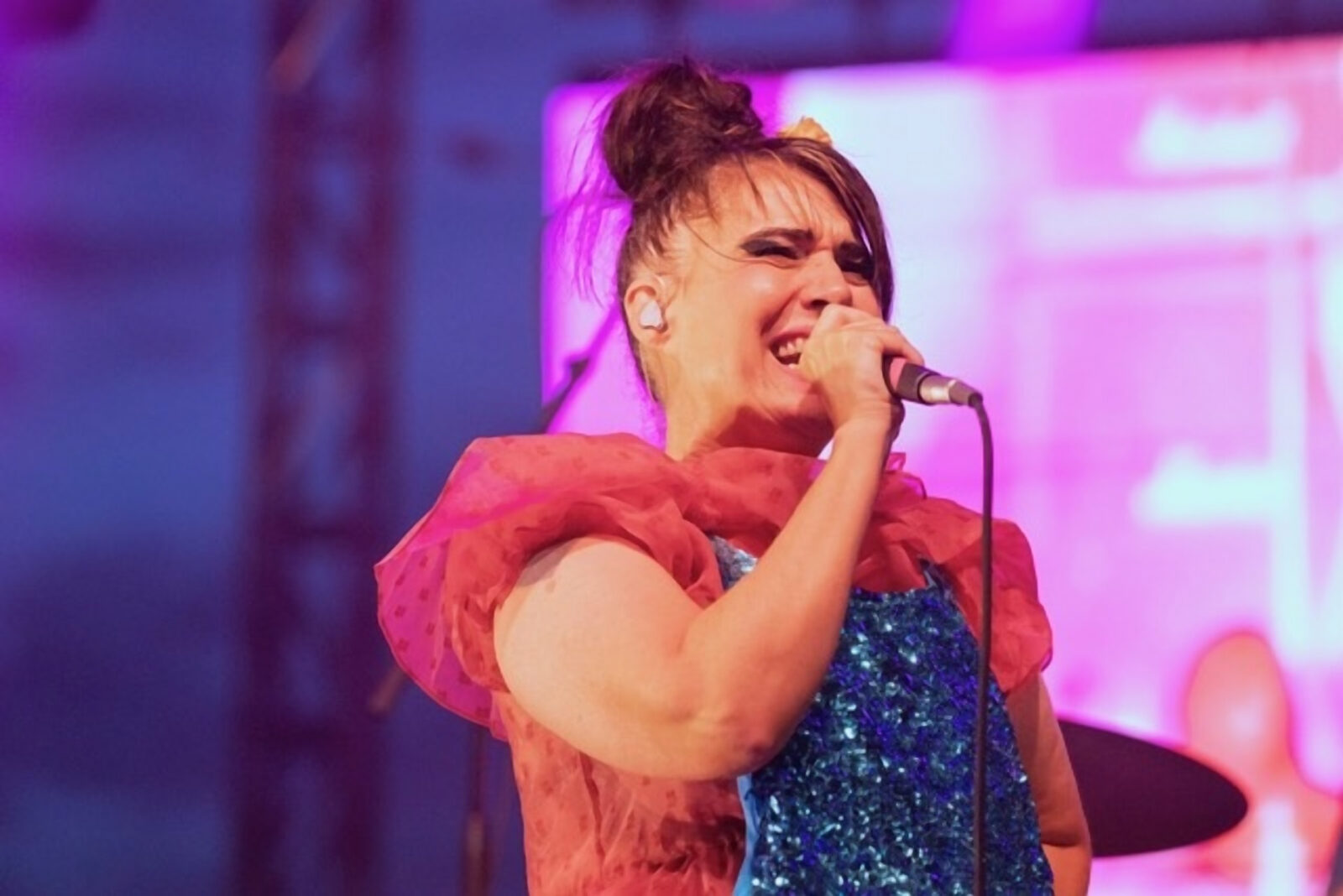
Photo by Chloe Aftel
I do think a lot of what we were doing was reframing anger away from being something negative and showing that female wrath is a great way to write songs. A lot of us turned pain into power. We turned anger into lyrics. It’s like Rumpelstiltskin turning straw into gold. You’re taking bad stuff that happened to you and then you’re like, “You know what? I’m not just going to sit with this. This is yours now. This is back on the forces that be. This is yours to take now. I’m getting it out of my body. I’m exorcising it.”
I think that the Riot Grrrl movement really did teach a lot of women, through music and fan zines, that being angry was okay and that we can take bad things that have happened to us and turn them into something that helps other women and helps ourselves.
Today when I’m performing the same songs I wrote 25 or 30 years ago, I do have new ways to tap into the song’s meaning. There’s one song with a line about “You are not the victim, though you’d like to make it that way. Pretty girls all gather around to hear your side of things.” At the time it was about guys in the punk scene who were trying to say that the feminists were victimizing them.
Now it’s about all of these right-wing weirdo losers who are trying to say that trans people are somehow victimizing them, which is absolutely ridiculous. Or white men who say they are the ones being discriminated against, so we have to stop DEI. Those lyrics mean a totally different thing to me now than they did back then, but reframing them to meet the needs of today gives me a whole new passion when I’m performing them.
I think it’s important to have rituals that you won’t give up on. I write in my journal every day. I love taking my dog (Terry) to the dog park and not listening to music and not being on my phone, just watching the dogs. In the morning before I look at any device or even open my journal, I pet my dog and my dog sits on my lap and I look outside at the sky. I have those few moments to look forward to every day instead of dreading looking at my to-do list immediately and getting stressed out.
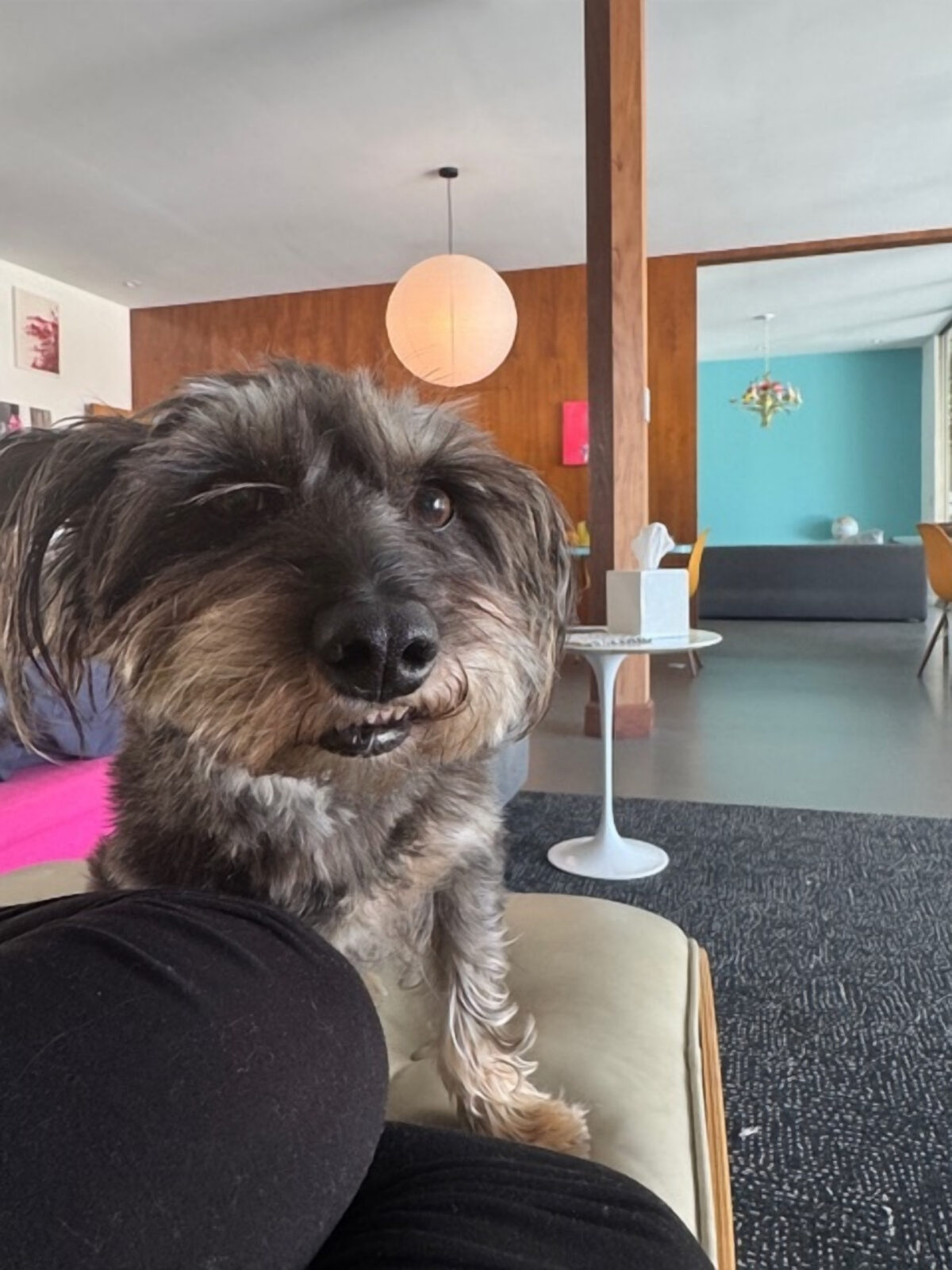
Photo by Kathleen Hanna
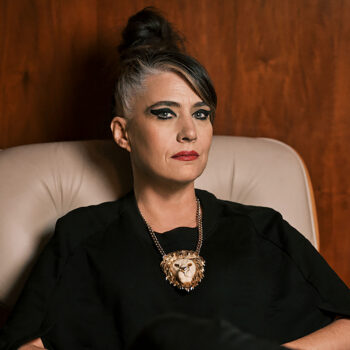
Kathleen Hanna is a punk singer, writer, artist, and frontwoman of the influential bands Bikini Kill and Le Tigre. Her memoir Rebel Girl was an instant New York Times and Sunday Times bestseller. She is a leading voice in the feminist movement and has been named one of the best live performers of our time. Follow @mskathleenhanna on Instagram, @thekathleenhanna on TikTok, and subscribe to Future Windows on Substack.

Christina Watson is the digital editor at the Rubin Museum of Himalayan Art.
Get the latest news and stories from the Rubin, plus occasional information on how to support our work.