Exploring the significance of this important concept in Buddhism
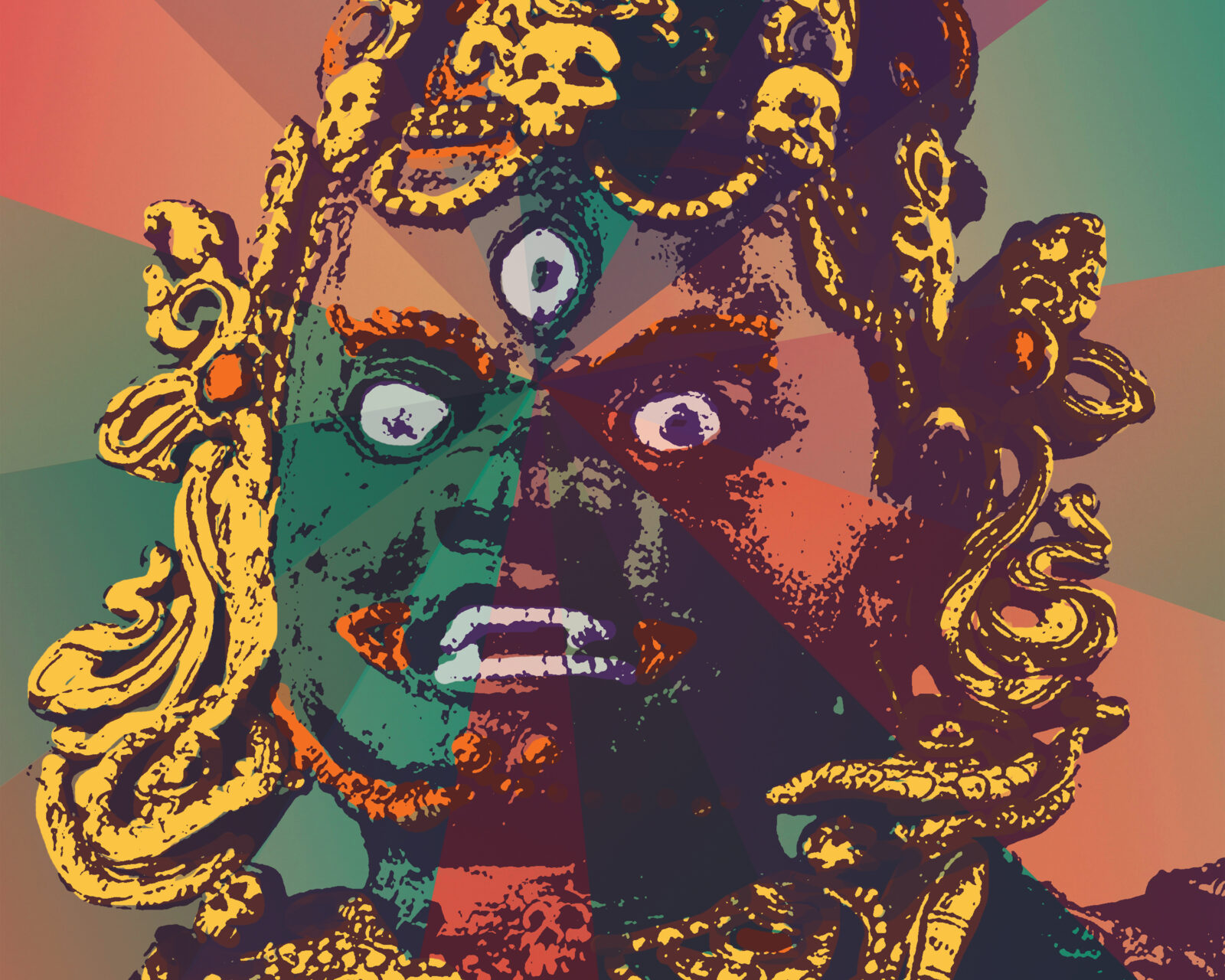
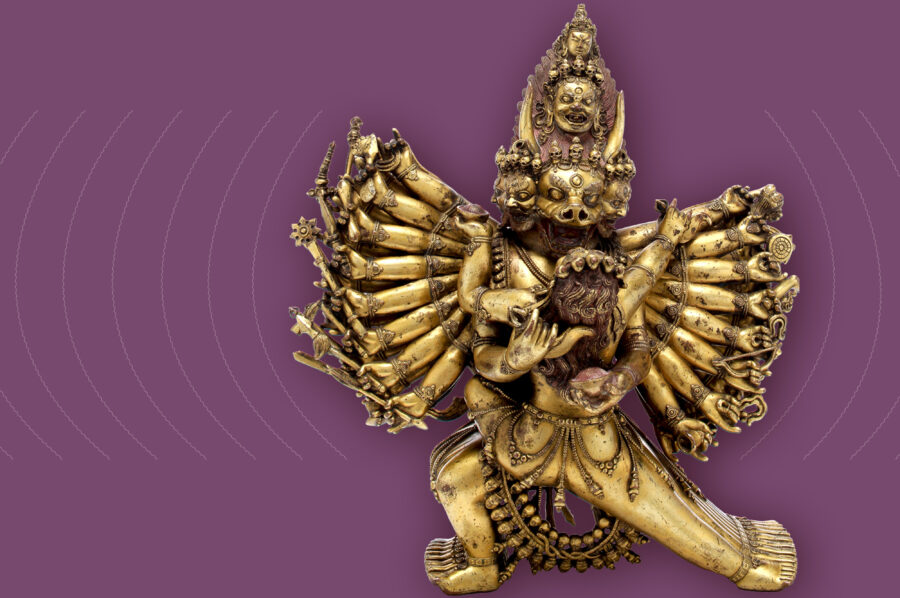
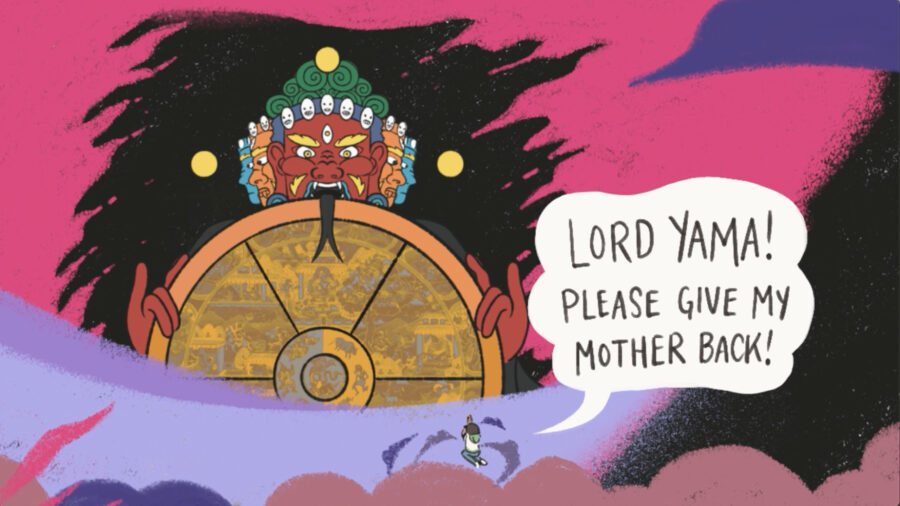
Wrath can be understood in many ways. It can be seen as the form of a god, a protector, a buddha, or as a powerful energy that can be activated within oneself. In Vajrayana Buddhism, wrath often refers to wrathful deities—beings who manifest in fierce, intimidating forms. Without going into all the layers of classification, we can broadly group them into two kinds based on their nature: worldly wrathful gods (powerful beings revered as protectors of the Dharma who dwell in different realms) and enlightened wrathful deities (supramundane beings such as buddhas and bodhisattvas who transcend worldly existence).
From a broader perspective, wrath can also be seen as a type of energy. For most beings, this energy manifests as anger or aggression and leads to harm. But in enlightened beings, wrath is completely free of hatred or self-interest. It becomes a force of protection and transformation—a fierce expression of compassion.
On the surface, both wrath and anger may appear similar—they are intense, forceful, and can be frightening. However, their inner nature is completely different. Anger arises from negative emotions and is rooted in ignorance, attachment, or aversion. It causes harm, destroys relationships, and leads to suffering for oneself and others. Wrath, in the enlightened sense, is pure. Although enlightened wrathful beings appear fierce, they have no trace of hatred. Their purpose is to cut through ignorance, subdue harmful forces, and awaken beings to their true nature. They manifest in wrathful forms precisely because some beings cannot be tamed by gentle, peaceful means alone. For example, Mahakala is the wrathful form of Avalokiteshvara (Chenrezig), the Buddha of Compassion. His terrifying appearance hides a mind that is nothing but pure love. Anger is destructive, whereas enlightened wrath is protective and transformative.
What is the connection between wrath and compassion?
To understand the link, we should first recall the three bodies of the Buddha:
Wrathful deities—like peaceful deities—are manifestations of the Sambhogakaya. They are experienced directly only by realized practitioners, but their forms have been recorded and described by great masters. Artists then bring these visions to life through sacred images and statues. From the highest view, wrath and compassion are not opposites. For enlightened beings, wrath is born from compassion. It is a skillful means—an active, fierce method to remove obstacles, destroy harmful influences, and awaken beings who cannot be reached through gentle guidance.
Wrathful deities act as powerful protectors. They can bless practitioners, remove obstacles, and subdue harmful forces. When we have a good connection with such beings, our spiritual energy becomes stronger, and problems often dissolve before they manifest. They also tame those who are deeply trapped in harmful patterns. Their fierce compassion can cut through stubborn negative emotions and guide beings toward liberation. But these forces are not to be taken lightly—just as they protect, they can also be fearsome if disrespected.
Many people fear their appearance. They see the sharp teeth, blazing eyes, and terrifying ornaments and assume these beings are evil. But their appearance is symbolic—every detail represents the destruction of ignorance and the transformation of negativity. For example, Mahakala’s frightening form does not mean he causes harm. It means he has the power to crush the forces that cause suffering. In contrast, ghostly beings or pretas that appear wrathful are actually trapped in suffering themselves and cannot offer true protection.
From another perspective, wrath is also a kind of energy within us. When locked in ignorance, it manifests as harmful anger. But when transformed through practice, it becomes a powerful ally—a force of clarity and fearlessness. Even non-Buddhists, through offerings and respectful relationship, have felt the protective presence of wrathful beings.
Not all deities have wrathful forms in every tradition. Some deities are known to manifest in both peaceful and wrathful aspects, such as Vajrapani. Avalokiteshvara has a wrathful manifestation as Mahakala. The peaceful Manjushri has the wrathful form Vajrabhairava (Yamantaka). But some deities, such as Tara, are generally regarded as peaceful. In the Kriya Tantra tradition, Tara does not appear in a wrathful form, though in Atisha’s tradition she takes semi-wrathful aspects, and in the Suryagupta lineage she manifests in fully wrathful forms. Yet Tara is most widely revered as a peaceful deity.
In Vajrayana Buddhism, one should first find a qualified teacher and receive proper empowerment and instructions. Then the practice is done according to the scriptures, with mantra recitation, visualization, and offerings. Some practitioners focus on ultimate realization, using the deity practice as a path to enlightenment. Others work with the deities for worldly benefits, such as protection, health, or prosperity. In some Himalayan cultures, there are even traditions—some controversial—of making animal sacrifices to wrathful gods. From a Buddhist view, such violent offerings are unnecessary and ideally should be replaced with symbolic, non-harmful rituals.
From childhood, I was taught mantras and prayers by my mother and teachers. We had a shrine room with images of Buddha, Tara, and Mahakala. My mother told me, “This is your protector—always pray to him.” When I was a teenager, I had a terrible accident. My bicycle brakes failed while riding in the mountains, and I was headed straight for a cliff. I screamed for help, and three men nearby rushed to save me. They were injured in the process, but I escaped with only minor scratches. I believe they were sent through the blessings of the deities and Buddha.
Later in my monastic life, I struggled with anxiety and frustration. Chanting mantras and visualizing wrathful deities calmed my mind and dissolved those negative energies. Their fierce compassion became a shield, not only against outer harm but also against the inner enemies of anger, fear, and doubt.
Think of a wrathful deity like a loving mother. When her child behaves well, she is gentle and smiling—like a peaceful deity. But when the child misbehaves and risks harm, she may raise her voice or show a stern face. This is not out of hatred but out of love—to protect the child from greater danger. In the same way, buddhas sometimes manifest in wrathful forms to tame beings who cannot be reached through gentle means. Wrath, when purified, is simply compassion in a fierce form—an unstoppable force that protects, awakens, and guides us to our true nature.

His Eminence Gegye Yongyal Tulku Rinpoche is an ordained Buddhist teacher and a prominent leader in the Kagyu Nyigma tradition of Tibetan Buddhism. He holds a master’s degree in Buddhist philosophy and has completed extensive meditation training. As the third seat reincarnate Trulku of Gegye Tashi Choling Monastery in Nyari (Mt. Kailash), he was enthroned as the Trulku of the second Gegye Yongyal Tulku Rinpoche at Gegye Tashi Choling Monastery. His Holiness the 17th Gyalwa Karmapa conducted his hair-cutting and name-giving ceremony in India.
Rinpoche has mastered key areas of Buddhist philosophy, including Pramana Sutra, Prajnaparamita Sutra, Madhyamika Sutra, Abhidharma Sutra, and Vajrayana Tantra. He currently serves as the president of the Amala Center Nepal and the Himalayan Buddhist Center Australia. Since 2020, Rinpoche has been actively teaching Buddhist dharma and contributing to society. He is a revered lama in Tibet and China, focusing on the practical application of Sutrayana Buddhism, Vajrayana Buddhism, and modern Buddhist ethics. His teachings aim to cultivate loving-kindness and compassion, fostering personal transformation and bringing individuals closer to their Buddha nature.

Sarah Zabrodski is the senior editor and publications manager at the Rubin Museum.
This article appears in issue 10 of the print edition of Spiral magazine under the title “An Energy Within Us.”

Get the latest news and stories from the Rubin, plus occasional information on how to support our work.