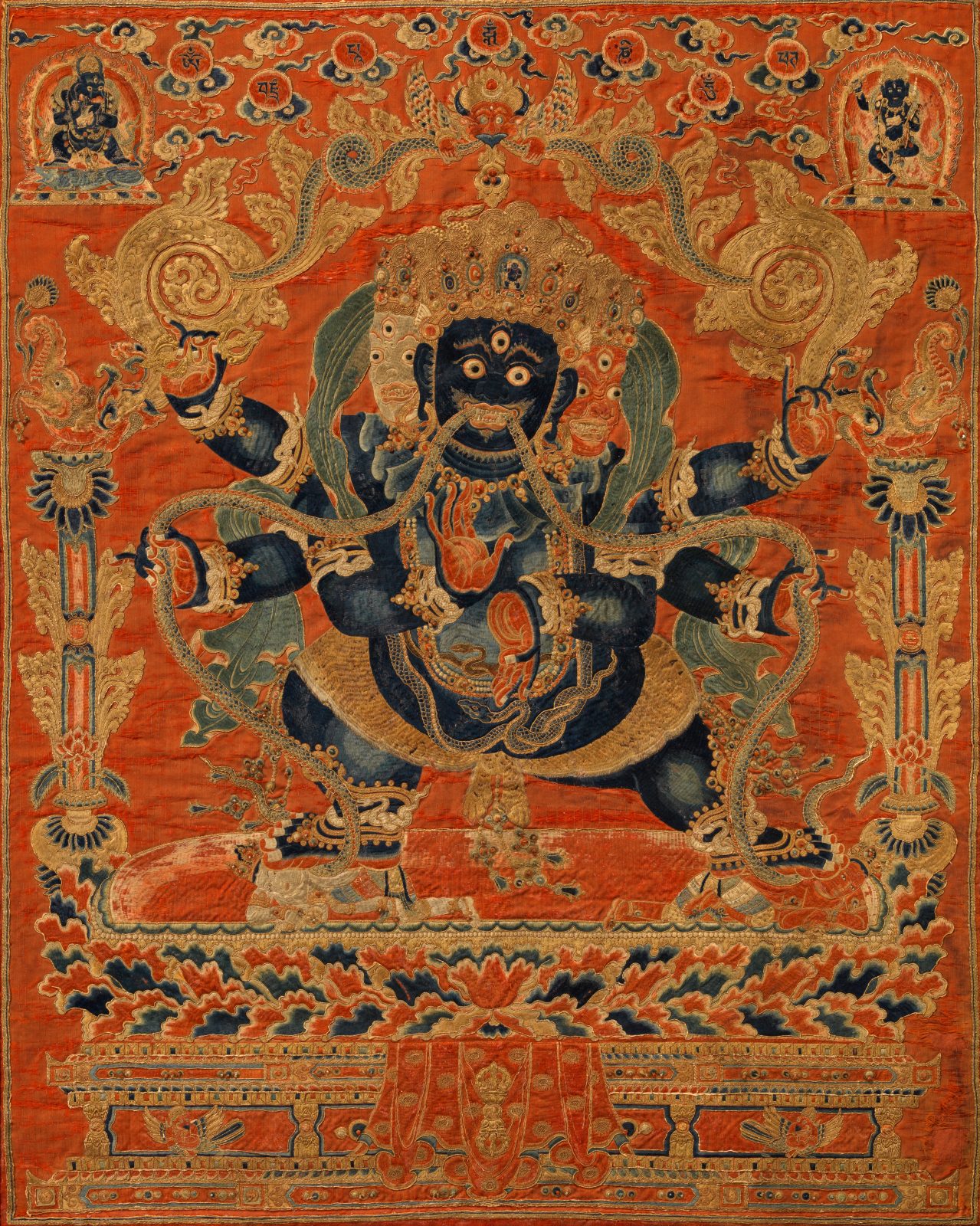
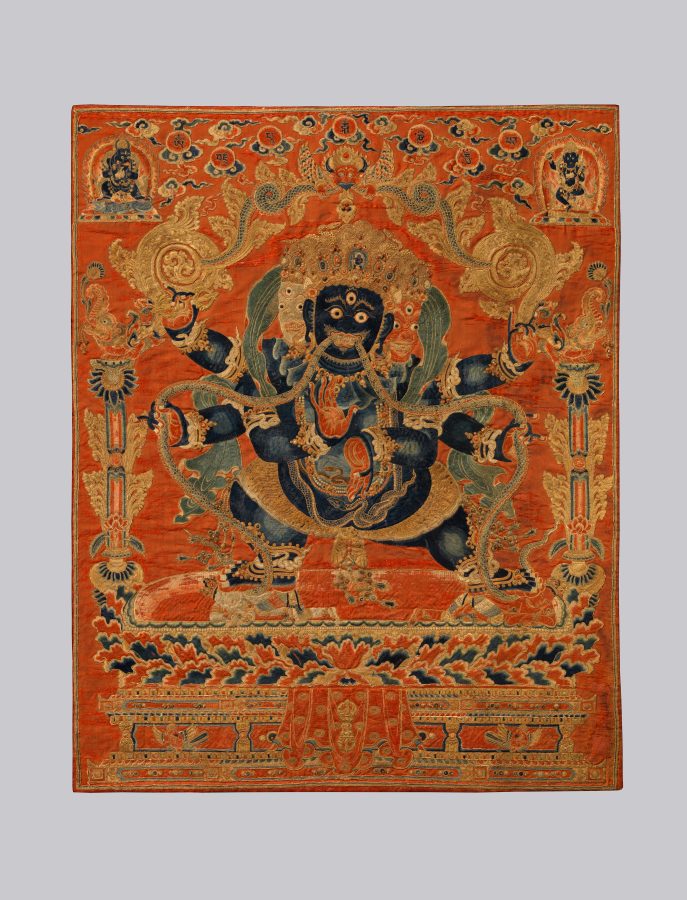
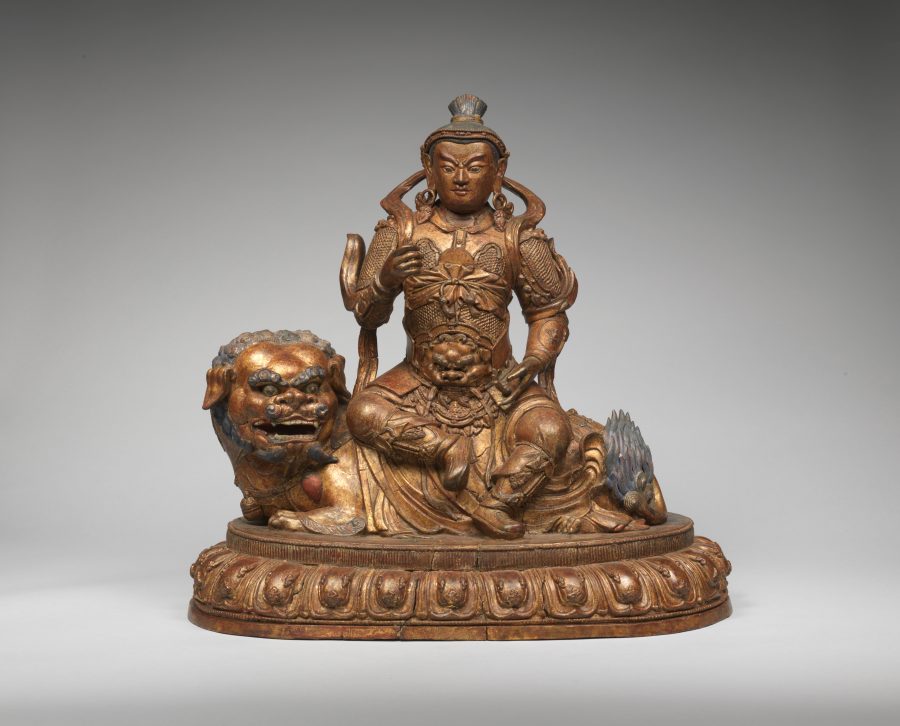
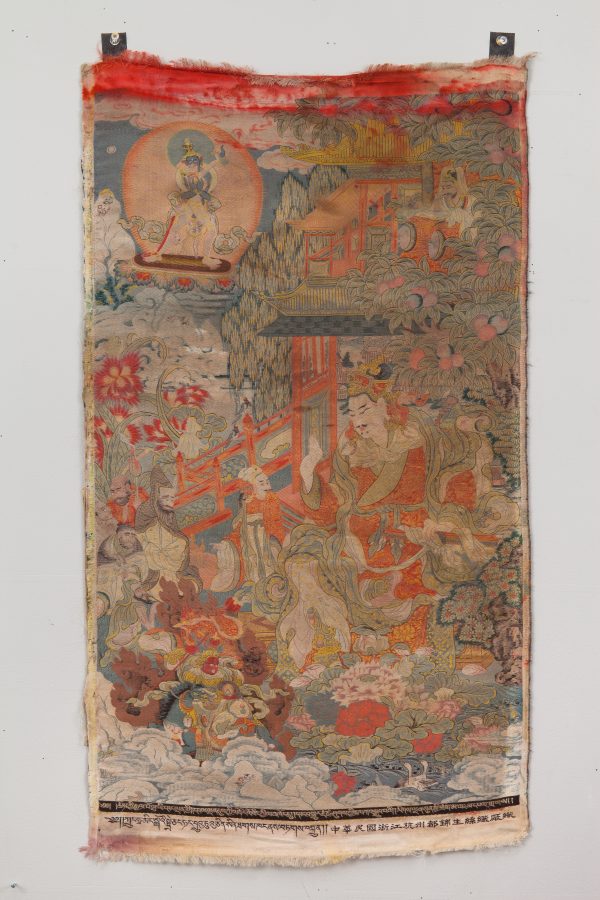
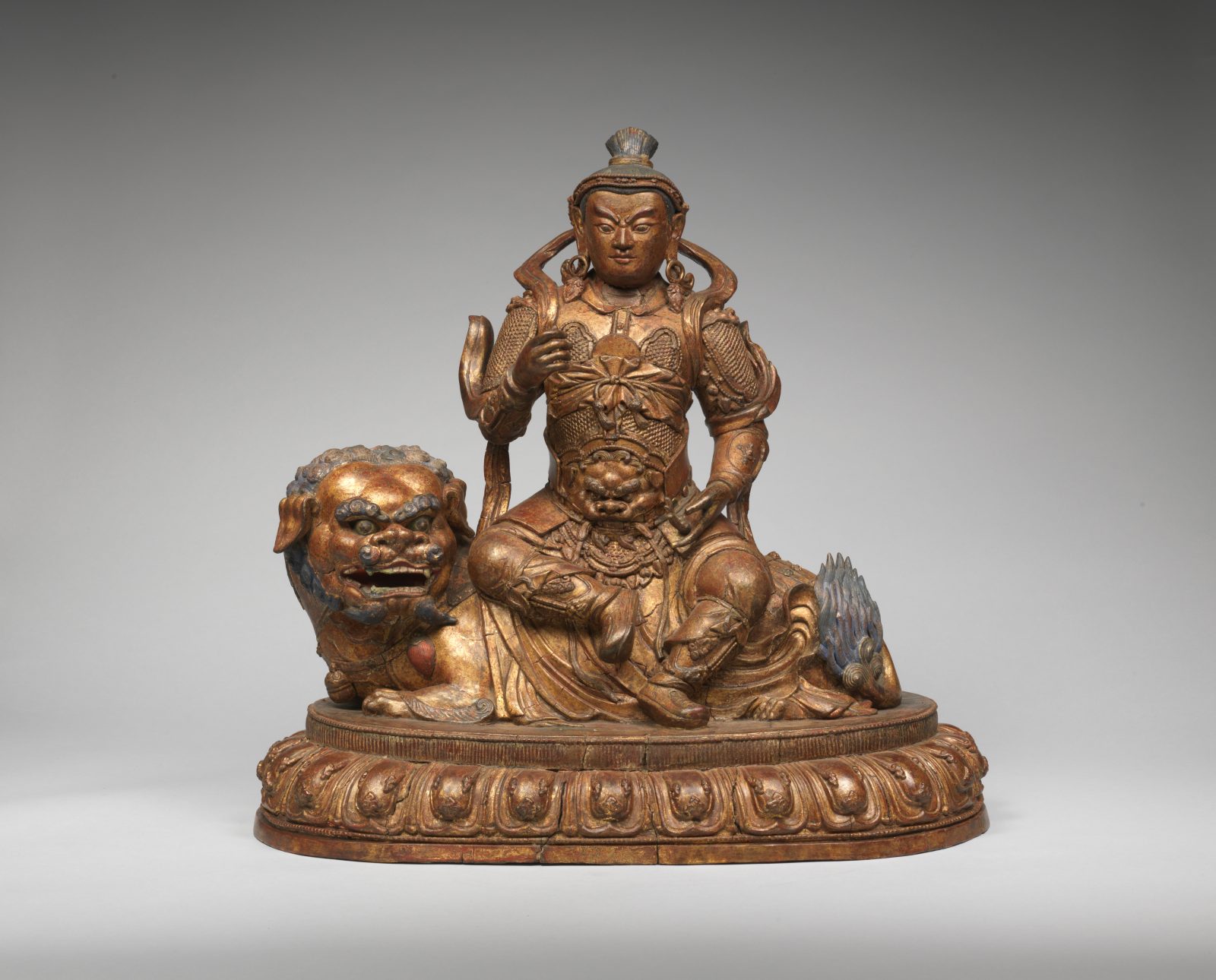
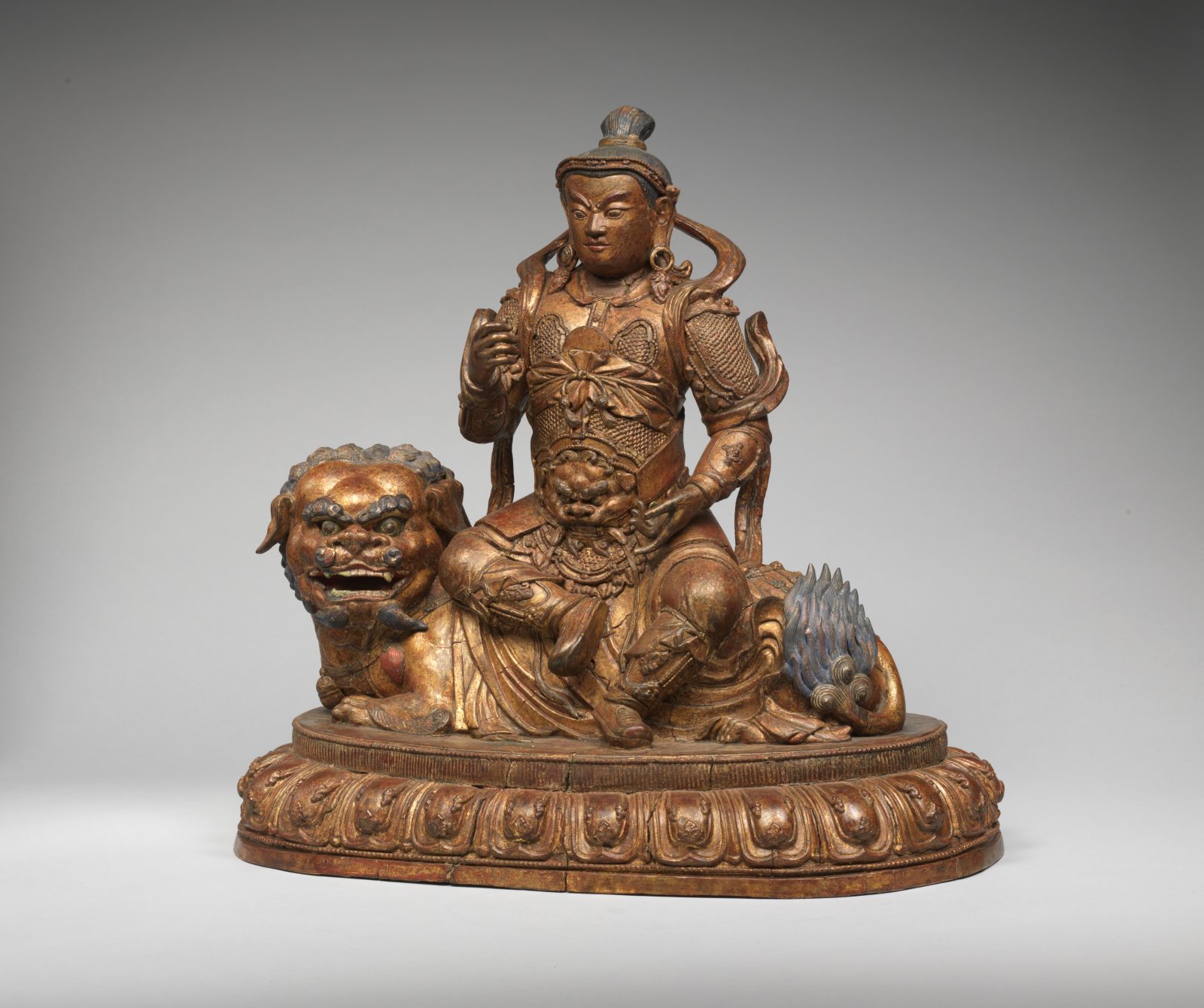
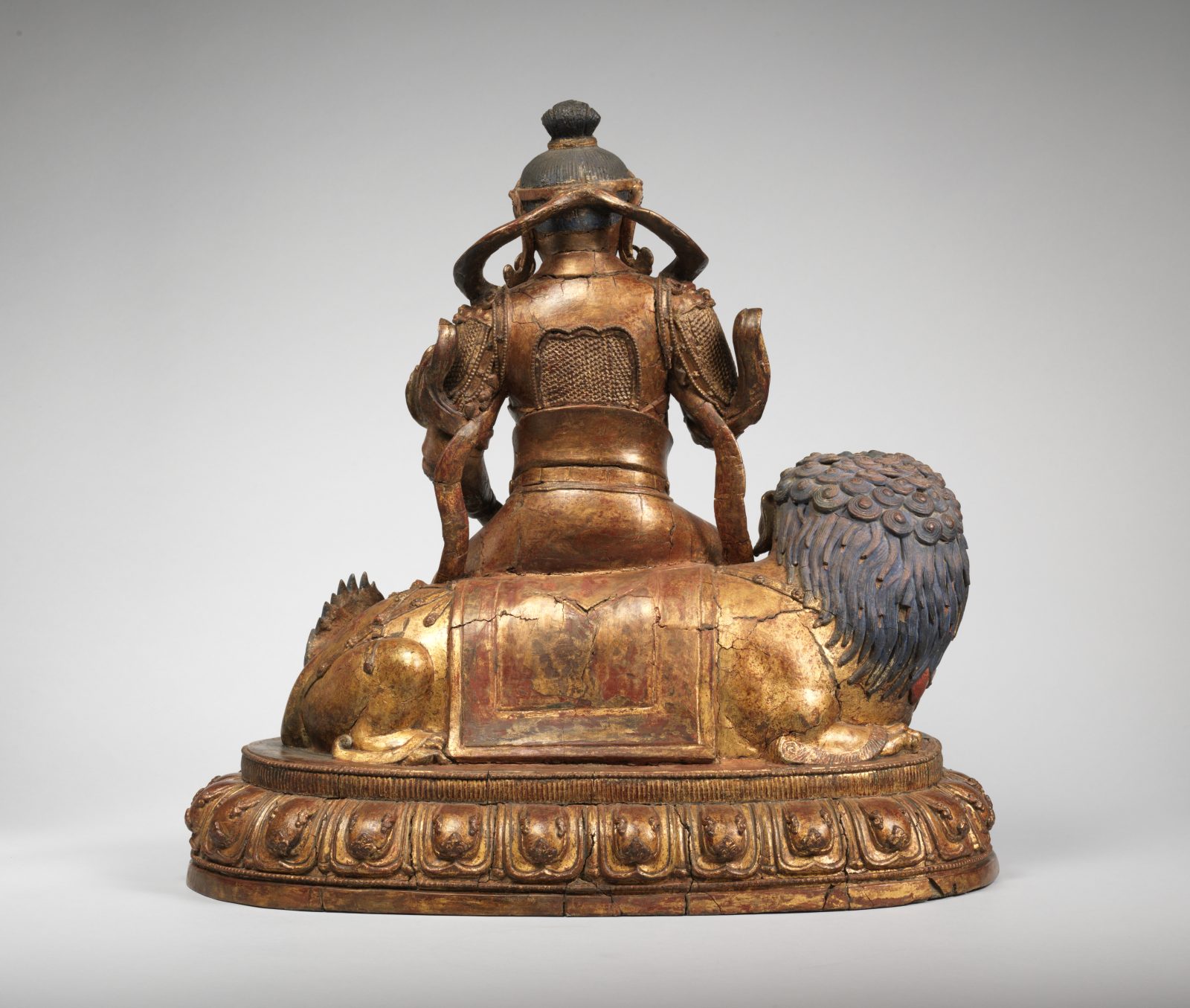
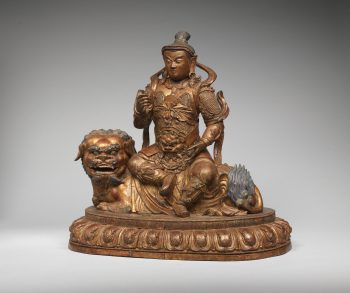
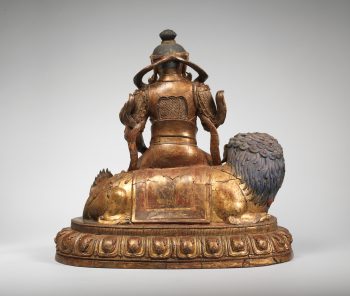
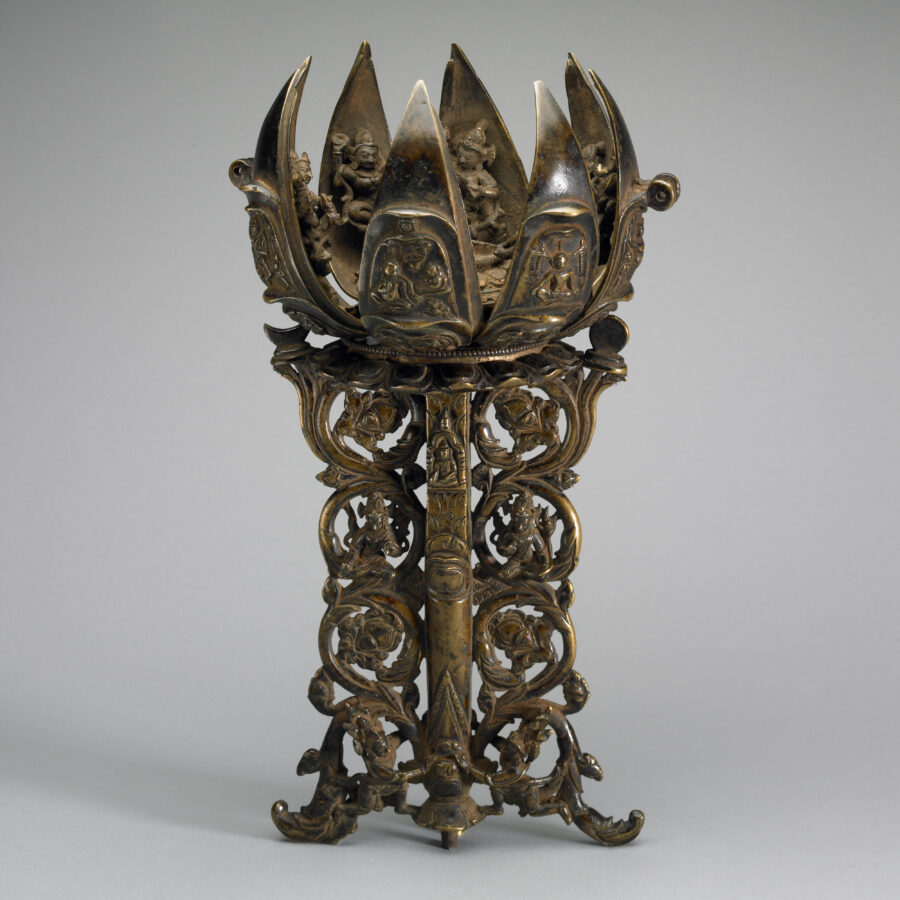
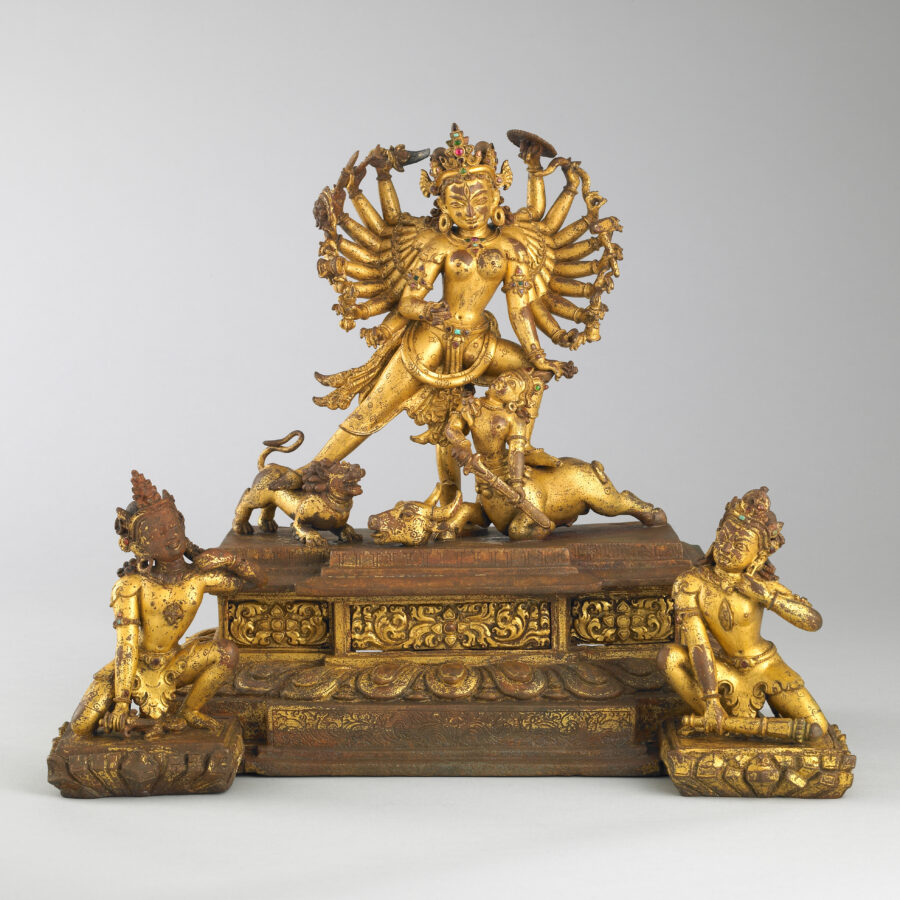
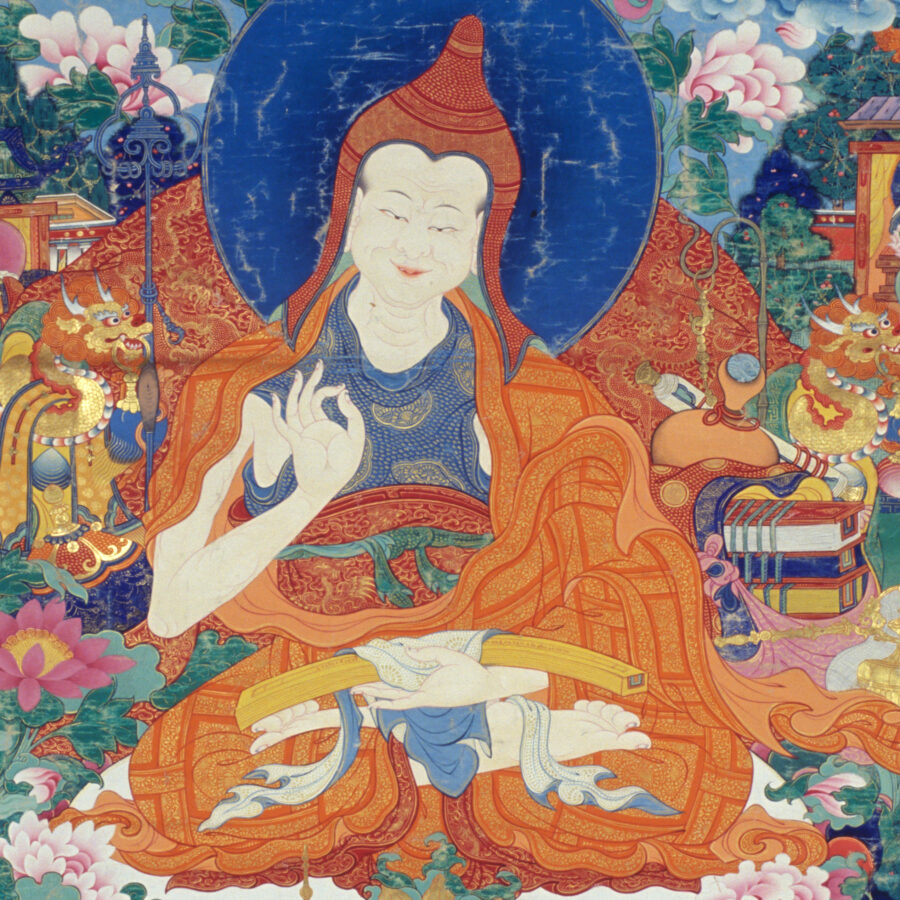
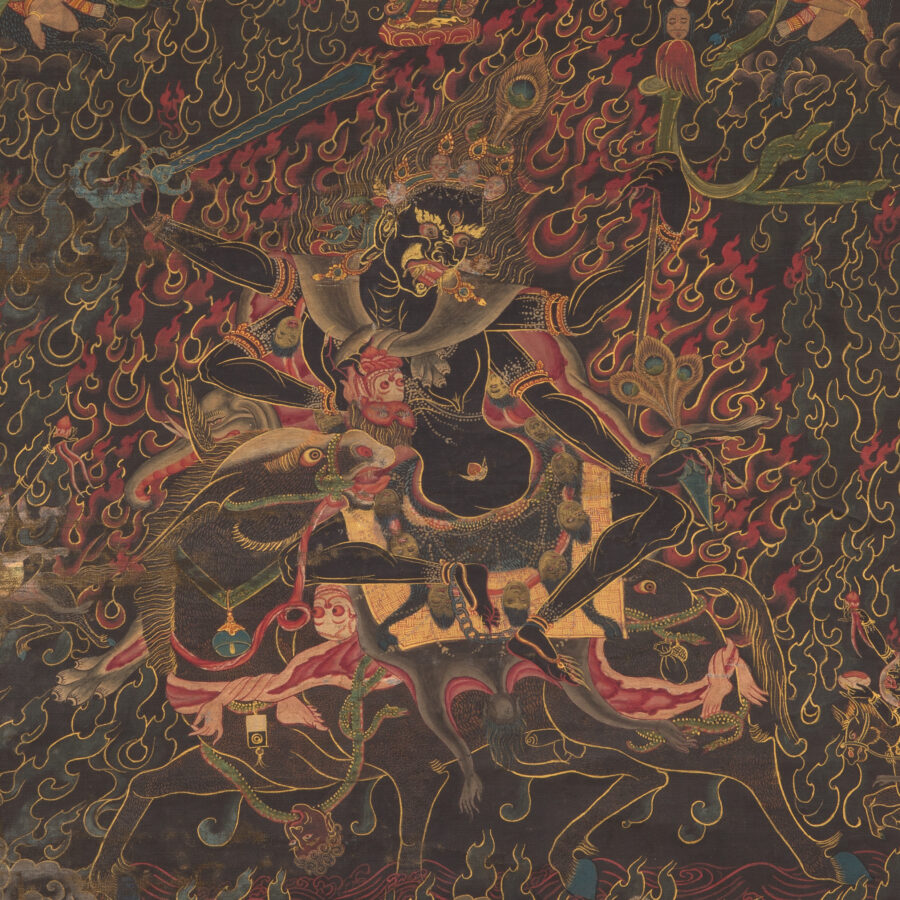
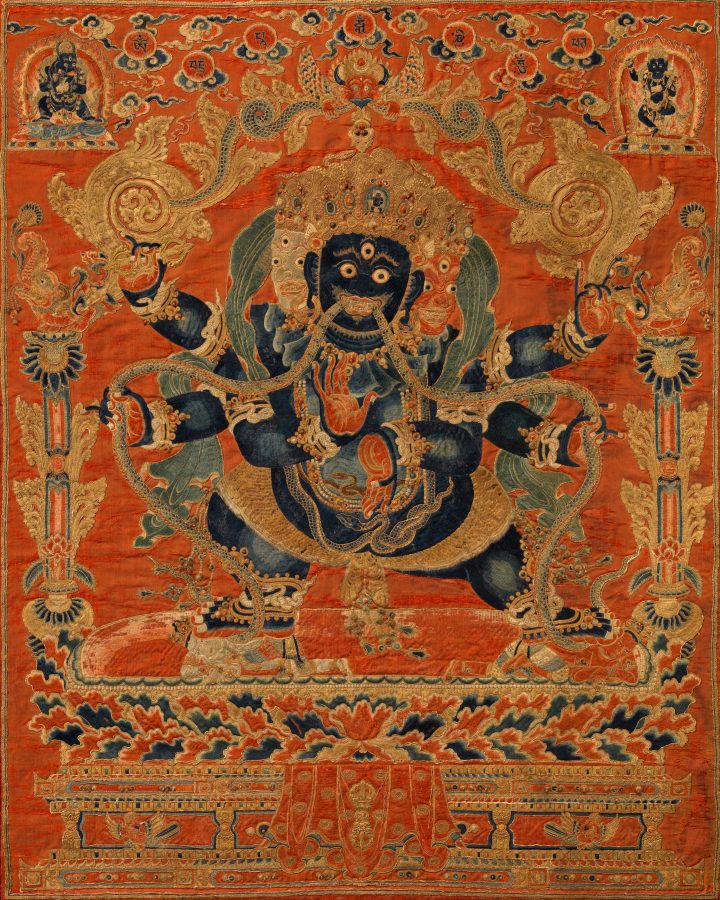
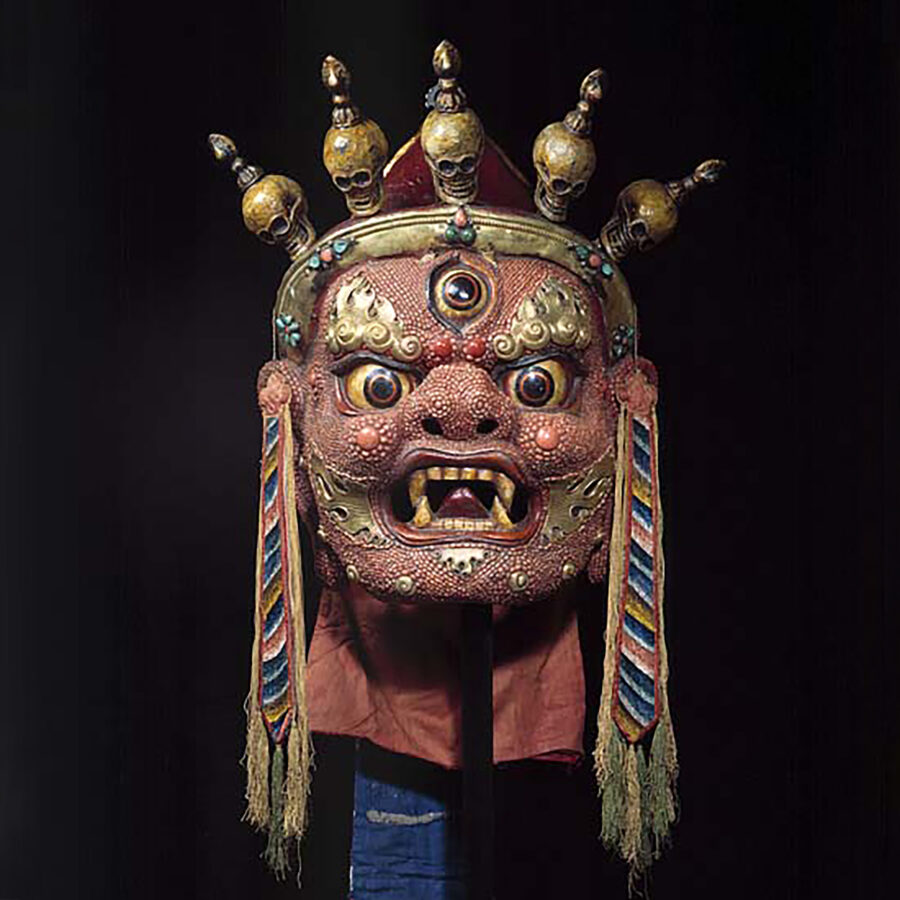
Although early Tibetan art was predominantly oriented toward Indic cultures, Tibetan culture both influenced and absorbed successive Chinese artistic traditions. These connections were particularly close during periods when the emperor who ruled China adopted Tibetan Buddhism, invited Tibetan teachers to court, and sent art as gifts to major Tibetan monastic centers. Artistic dialogue was also sometimes catalyzed by third-party intermediaries who drew from both traditions simultaneously.