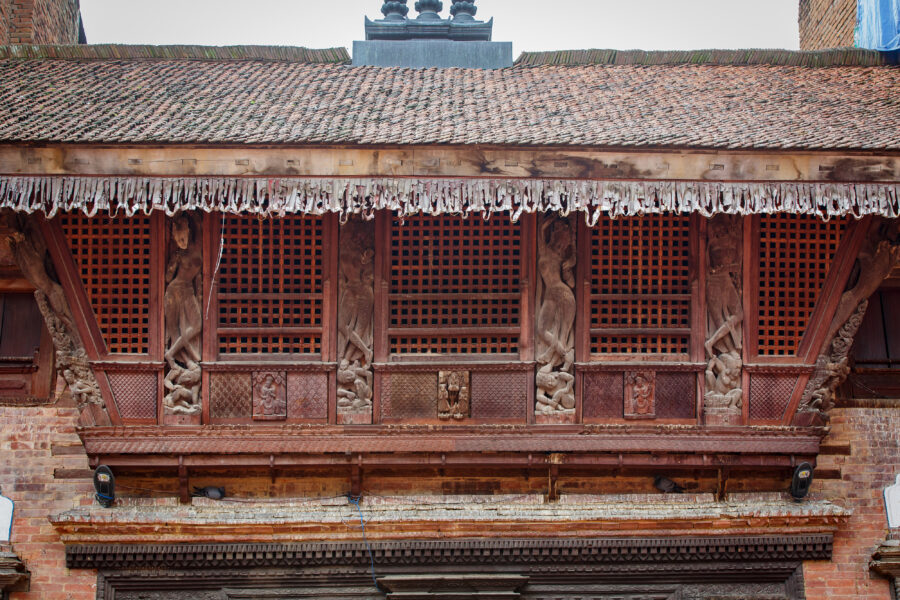
Gautama V. Vajracharya is a scholar of South Asian languages, art, and culture. He taught the history of Indian art at the University of Wisconsin-Madison for 23 years. In addition to teaching, Vajracharya has made contributions to Nepalese and Indian art and iconography throughout his long career.
His latest publication is “Ancient Cow Calendar: Discerning the Aspects of Vedic and Pre-Vedic Bovine Rites in Modern Day Festivities of India and Nepal,” Electronic Journal of Vedic Studies, vol. 30, no 1 (2025). He authored Nepalese Seasons: Rain and Ritual (2016) for the Rubin, detailing the interrelationships among local deities, seasonal festivals, rituals, and the annual monsoon as part of the 2017 exhibition Nepalese Seasons: Rain and Ritual, which he also curated. His other publications include Frog Hymns and Rain Babies: Monsoon Culture and the Art of Ancient South Asia (2013), Himalayas: An Aesthetic Adventure (2003, co-author), Watson Collection of Indian Miniatures at the Elvehjem Museum of Art: A Detailed Study of Selected Works (2002), and Hanumandhoka Rajdarbar (1974, in Nepali).
108 Object Essays – Architectural Expression of Monsoonal Phenomena